Answering the common buyer question: a reliable submersible aquarium heater keeps tropical fish and aquatic pets healthy by maintaining a stable water temperature. This guide highlights top options across tank sizes and water types, helping you pick the right heater for small bowls to large tanks. Best for compact nano tanks, mid-sized betta setups, and larger community aquariums, these heaters emphasize safety, precise control, and durable construction.
| Product | Best For | Wattage | Notes |
|---|---|---|---|
| Orlushy Submersible Aquarium Heater | Small to medium freshwater and saltwater tanks | 6 sizes available (varies by model) | Included thermometer; energy-saving heating cycles |
| hygger Small Aquarium Betta Heater | 1–5 gallon tanks; nano tanks | 10W | Quartz glass; dry-run/overheat protection |
| AQUANEAT Aquarium Heater | 5–15 gallon tanks; versatile | 50W | Manual temperature dial; automatic steady temp |
| Tetra 26446 HT Submersible Heater | 10–30 gallon community tanks | 100W | Electronic thermostat; indicator lights |
| HiTauing 300W Submersible Heater | 40–75 gallon community or tall tanks | 300W | Explosion-proof quartz; intelligent leaving-water stop |
Orlushy Submersible Aquarium Heater
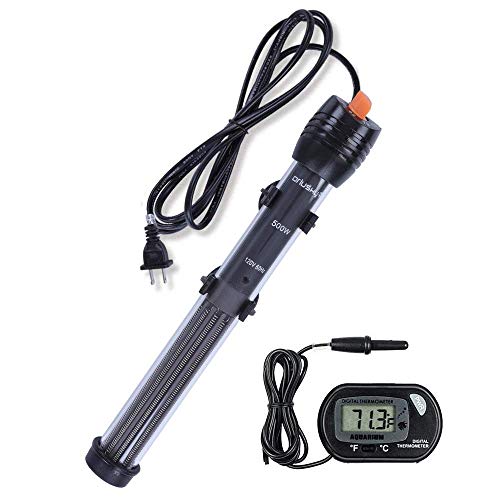
Best for versatile tank sizes, Orlushy offers six wattage options within a single line. The heater uses a stair-step heating design that activates red light when heating to the set temperature and switches to green when maintaining it. An included thermometer lets you monitor real-time water temperature. The outer shell uses heat-resistant ABS and the heating rod uses nickel-chromium wire for faster warming, with a quartz glass core for durability.
Who this is for: hobbyists with mixed tank sizes or those who want a readily available, adjustable option without buying multiple heaters. Caution: ensure correct wattage for your tank volume to avoid overheating. Not all models include a separate controller; refer to the product’s size chart for your tank.
hygger Small Aquarium Betta Heater

Best for tiny tanks up to about 5 gallons, this 10W heater uses premium quartz glass and offers dry-run and overheat protection. It is designed to prevent accidental cooking and is suitable for both freshwater and marine setups. The included temperature range (59–93°F) and a digital control element help maintain a steady environment in small habitats.
Who this is for: students, dorm rooms, or nano-tank communities needing a compact, protected heater. Caution: limit use to tanks within the stated volume; larger tanks require higher wattage to reach target temperatures efficiently.
AQUANEAT Aquarium Heater

Best for mid-sized tanks (5–15 gallons), the AQUANEAT 50W heater features an adjustable dial with a temperature range from 65°F to 89°F. The red light indicates when heating is active, and once the target is reached, the heater maintains a steady temperature. It is designed to be user-friendly for both marine and freshwater applications.
Who this is for: hobbyists who want a simple, reliable heater for small-to-mid tanks without complex controls. Caution: avoid installing in tanks with extreme ambient temperature swings that can require more robust heating power than 50W in larger setups.
Tetra 26446 HT Submersible Heater
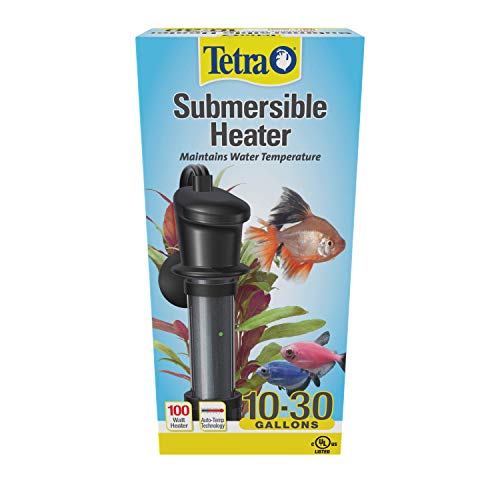
Best for general community tanks in the 10–30 gallon range, this 100W model provides automatic thermostat control to keep water near 78°F. An indicator light shows when heating, and the design emphasizes straightforward operation for everyday aquarists. It is appropriate for both freshwater and saltwater setups that fit within its wattage range.
Who this is for: hobbyists who want a dependable, no-fuss heater with clear indicator lighting for medium-sized tanks. Caution: ensure the heater is fully submerged during operation to avoid overheating and potential damage.
HiTauing 300W Submersible Heater

Best for larger tanks in the 40–75 gallon range, this 300W heater is built with explosion-proof quartz glass and a robust ABS shell for safety and concealment. It uses intelligent water-sensing to stop heating when out of water and features a temperature range of 63–94℉. The controller displays temperature data and provides quick adjustment access via a large dial.
Who this is for: aquarists with larger or tall tanks needing rapid, consistent heating along with enhanced safety features. Caution: verify your tank volume and room temperature expectations to select the appropriate wattage for efficient performance.
Buying Guide: Key Purchase Considerations
- Tank size and wattage: Match heater wattage to tank volume. Underpowered heaters fail to reach target temperatures; oversized heaters may cycle on/off too frequently.
- Temperature range and control: Look for adjustable dials or digital controllers. Fahrenheit/Celsius options and clear displays simplify precise settings.
- Safety features: Dry-run protection, auto shut-off when water is low, and out-of-water sensors minimize risk to fish and equipment.
- Durability and materials: Quartz glass cores and heat-resistant outer casings improve longevity in humid environments. Submersible design should be fully enclosed for safety.
- Monitoring extras: Some models include thermometers or integrated displays. Separate thermometers help verify water temps independently.
- Ease of installation: Consider tank dimensions, bracket mounting, and accessibility for adjustments without dismantling the setup.
Frequently Asked Questions
- How do I know what wattage my tank needs?
Refer to the manufacturer’s size chart and select wattage based on your tank volume. A mismatch can lead to slow heating or overheating.
- Is it safe to leave an aquarium heater on all the time?
Yes, most proper submersible heaters maintain a steady temperature. Ensure the heater has automatic shut-off features and is fully submerged as required by the model.
- Do I need a separate thermometer?
While many heaters include a thermometer, using an independent thermometer provides an extra layer of temperature verification.
- What is the best heater for small tanks?
Small tanks generally benefit from low-wattage heaters (10W or 50W) designed for nano volumes, with safety protections and easy monitoring.
- Can I use a single heater for both freshwater and saltwater?
Most submersible heaters are suitable for both, but confirm the product specifications and ensure compatibility with your tank type and inhabitants.