The best South American cichlids tank blends vibrant colors, peaceful temperaments, and reliable hardiness for a thriving home aquarium. This guide highlights five relevant options designed for planted setups and community tanks. Each entry explains who it’s best for, why it was selected, and any practical caveats to consider when stocking a peaceful, bioload-balanced tank.
Audience note: beginner hobbyists may prefer smaller, calm species, while experienced aquarists might opt for more colorful or active cichlids. The selections below cover a range of sizes and temperaments to suit standard community tanks or planted aquariums.
| Product | Best For | Why Picked |
|---|---|---|
| Santboz Bolivian Ram Cichlids (3-Pack) | Peaceful, small community tanks | Elegant, colorful dwarfs with calm behavior |
| Gold Severum Cichlid (2”) | Medium-sized, social cichlids | Vibrant gold coloration and peaceful temperament |
| Santboz Geophagus Red Hump | Community tanks with sand substrate | Red hump color, sand-sifting behavior |
| South American Cichlids (Book) | Reference and education | Authoritative overview for hobbyists |
| Family of Live South American Cichlids | Diverse starter collection | Varied looks for mixed displays |
Santboz Bolivian Ram Cichlids 3-Pack
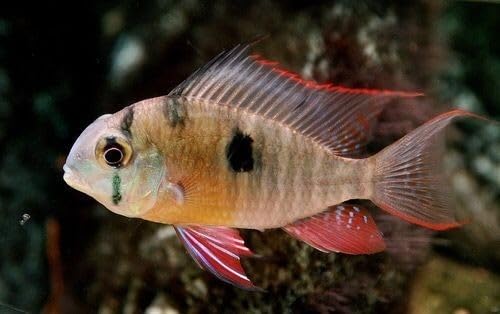
Best For: Planted tanks and peaceful community setups. Bolivian Rams are compact, colorful cichlids that bring brightness without aggression. They pair well with small tetras, rasboras, and dwarf gouramis in mid-sized tanks.
Why selected: These dwarfs display soft gold bodies with blue highlights and red fin accents, creating focal points in planted aquariums. Their moderate activity adds life without overloading the bioload in a community setting.
What to watch: They are best kept in stable, well-filtered systems with gentle tank mates. Avoid overcrowding and provide hiding spots to reduce stress during territory displays.
Limitation: The trio emphasizes color and charm over larger size—adult Bolivian Rams stay relatively small and may be outcompeted for food by faster feeders in cramped setups.
Family of (5) Live Cichlids 1-2″ South American Mix

Best For: Small to mid-sized tanks seeking a varied cichlid display. This assorted group suits hobbyists who want multiple colors and patterns in a single setup.
Why selected: A mixed batch can provide a dynamic visual contrast and interesting social interactions while keeping the overall bio-load manageable in a modest tank.
What to watch: With mixed varieties, ensure similar water parameters and compatible behavior to minimize stress and aggression. Monitor feeding to ensure all fish receive adequate nutrition.
Limitation: The exact composition may vary; not all individuals may display similar temperaments, so plan for flexible tank-mate arrangements and potential rehoming if needed.
2-Pack Gold Severum Cichlid 2”

Best For: Medium-sized, peaceful cichlids that fit well in planted or community tanks with other calm species.
Why selected: The Gold Severum offers striking metallic-yellow coloration and red eyes, adding visual interest while maintaining a generally docile demeanor suitable for mixed communities.
What to watch: They grow larger than dwarf cichlids, so ensure the tank has adequate space and secure filtration. Aggression remains possible if the tank is overcrowded or lacks hiding spaces.
Limitation: The Severum’s size requires attention to bioload; avoid combining with overly assertive or fin-nipping species in smaller tanks.
Santboz Geophagus Red Hump 1.5-2 Inch

Best For: Sand-sifting, peaceful community tanks that include slower silvers or tetras. Geophagus species bring interesting feeding behaviors to the display.
Why selected: The Red Hump Geophagus adds color and a notable body shape, enhancing the naturalistic look of a South American setup and encouraging active substrate interaction.
What to watch: Geophagus species prefer sand for digging and may produce slight substrate disturbance. Keep a gentle feeding approach to avoid clouding in smaller setups.
Limitation: While generally peaceful, they may be shy in new environments; provide secure plants and hiding spots to reduce stress during acclimation.
Buying Guide: Key Considerations For A South American Cichlid Tank
What size tank do you need?
Most South American cichlids stay moderate in size. Choose a tank large enough to provide swimming space and territory, typically 20 gallons for smaller species and 29 gallons or larger for mixed groups or larger individuals.
Which species mix well in a community tank?
Peaceful, medium-energy cichlids are preferred in mixed communities. Bolivian Rams, Gold Severums, and Geophagus species often do well with calm, non-aggressive neighbors such as small tetras or peaceful gouramis. Avoid placing highly aggressive species together in small tanks.
Substrate and décor considerations
Geophagus cichlids prefer sand to facilitate natural digging. Bolivian Rams enjoy hiding spots and gentle plants. A mix of live plants and secure caves enhances security and reduces stress across species.
Water parameters and stability
South American cichlids generally favor stable temperatures and moderate to soft water with slight alkalinity. Consistent weekly water changes support coloration, health, and behavior.
Feeding and tank-mate compatibility
Feed a varied diet to meet nutritional needs. Match feeding timing to prevent bullying and ensure even access to food. Select compatible tank mates to reduce aggression and stress.
What are potential risks in an all-cichlid setup?
Cichlids can display territory aggression, especially in smaller tanks. Plan for hiding spaces and avoid crowding with too many similar species. Introduce new fish gradually and monitor interactions closely.
Maintenance and monitoring tips
Regular substrate cleaning helps control waste in sand-based setups. Monitor water parameters weekly to catch shifts early. Keep a routine for plant trimming and equipment checks to sustain a healthy ecosystem.
FAQ
Q: Are Bolivian Rams good for beginners?
A: Yes, they are typically calm and small, making them suitable for beginners when housed with compatible tank mates and stable water conditions.
Q: Do Geophagus species need a sandy substrate?
A: Sand is preferred for many Geophagus, as it allows natural digging and feeding behavior without harming delicate fins.
Q: Can I keep multiple cichlid species together?
A: Yes, with careful planning, appropriate tank size, and compatible temperaments. Avoid combining aggressive species with small, slow-moving fish.
Q: How many fish should I start with in a 20–30 gallon tank?
A: Start with 4–6 smaller to mid-sized cichlids or 2–4 larger cichlids, ensuring adequate swimming space and hiding spots for each.
Q: What water parameters should I target?
A: Temperatures around 74–80°F (23–27°C) and moderate hardness with a stable pH in the slightly acidic to neutral range are common starting points; adjust for species as needed.