Discover compact eel-like fish that fit hobbyist tanks without overwhelming space. This guide highlights five beginner-friendly and versatile options ideal for small, planted, or community aquariums. Perfect for folks seeking interesting movement, peaceful personalities, and nighttime activity. Each pick is examined for suitability, care hints, and who benefits most from it. The following table gives a quick snapshot to jump-start your decision.
| Product | Best For | Tank Size | Notes |
|---|---|---|---|
| Kuhli Loach (2″) | Planted, community tanks | 20+ gallons | Active at night; needs group |
| Kuhli Loach (3-4″) | Larger planted tanks | 30+ gallons | Peaceful; similar care to smaller kuhli |
| White Cheek Freshwater Eel Moray | Experienced keepers, larger tanks | Large tanks | Exotic predator-type; caution with tank mates |
| Tire Track EEL (4–5”) | Calm community tanks | 40+ gallons | Active nocturnal species; needs hiding spots |
| Rope Fish (8–10”) | Unique long-bodied display | 40+ gallons | Peaceful; best with compatible species |
Swimming Creatures 5 Kuhli Loach (Pangio kuhlii) – 2″
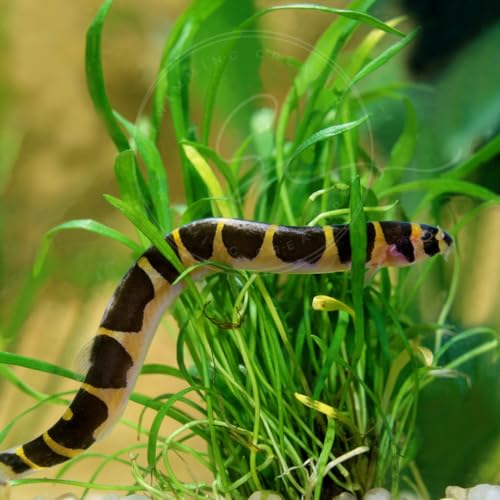
The Kuhli Loach is a small, eel-like bottom dweller known for its lively movement and peaceful temperament. Sold in small to mid-sized groups, these fish thrive in planted tanks and community setups. Best for hobbyists who want subtle daytime activity with increased nocturnal exploration. This 2″ variant is ideal for smaller setups or those starting a Kuhli group.
Who it’s best for: Beginners seeking a quiet, sociable bottom-dweller; planted tanks with community species. Better in group settings to display natural behavior.
Why selected: Compact size, peaceful nature, and compatibility with shrimp and other non-aggressive fish make it a versatile addition for many community tanks.
Caution/limitation: Needs secure substrate and hiding places; avoid sharp substrates that could injure delicate barbels.
Swimming Creatures 3 Kuhli Loach (Pangio kuhlii) – 3-4″
This Kuhli Loach offers a similar eel-like silhouette with a larger adult size, making it suitable for mid-sized planted or community tanks. They benefit from territorial peace in groups and provide unique nocturnal activity as they explore the substrate for leftovers and biofilm. Best paired with non-aggressive tankmates and ample hiding zones.
Who it’s best for: Aquarium owners expanding a kuhli population or needing additional bottom-dweller activity in mid-sized setups.
Why selected: Consistent peaceful behavior and compatible dietary needs with sinking pellets and frozen foods.
Caution/limitation: Slightly longer maturation could require more tank real estate and stable water parameters.
White Cheek Freshwater Eel Moray 7-8″ Live Aquarium Eel

This rare eel presents bold white facial markings and an elongated eel-like body. It is considered an exotic predator suited for experienced aquarists with large, well-maintained tanks. This specimen is a juvenile size (7–8″) and requires stable water and ample space.
Who it’s best for: Experienced hobbyists seeking a distinctive centerpiece eel in a large aquarium.
Why selected: Provides a dramatic focal point and unique behavior in a suitable habitat.
Caution/limitation: Not ideal for small or community tanks; safety around other fish is essential to prevent predation risk.
Santboz Tire Track EEL 4–5” – Freshwater Spiny EEL

This elongated eel displays a continuous dark track-like pattern and a slender, flexible shape. It is peaceful and intelligent, fitting well in community aquariums with calm or medium-sized fish. Requires a well-established tank, soft substrate, and hiding places for comfort and security.
Who it’s best for: Community tanks that can provide hiding spots and stable water parameters.
Why selected: Distinctive pattern and calm temperament add interest without aggressive behavior.
Caution/limitation: Needs a mature setup with plenty of substrate and cover to prevent stress-related behaviors.
Santboz Rope Fish 8–10” – Long-Bodied Eel-Like Fish
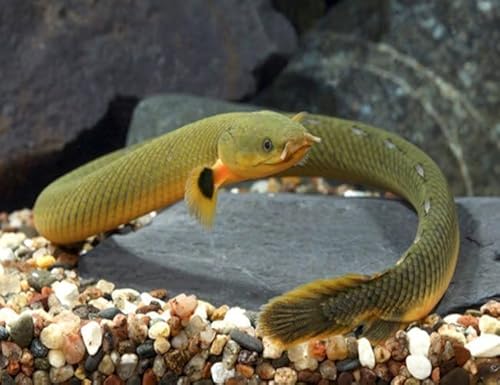
The Rope Fish is a long-bodied, snake-like species that adds a striking silhouette to any aquarium. Peaceful and hardy, it does well in planted or community tanks when paired with suitably calm fish. It is best observed in larger setups that provide space to roam and explore caves and plants.
Who it’s best for: Hobbyists wanting a distinctive centerpiece with gentle disposition in a roomy tank.
Why selected: Displays intriguing movement and adapts well to planted environments.
Caution/limitation: Requires a sufficiently large tank and secure, escape-proof lids due to curiosity and nocturnal activity.
Buying Guide: Key Considerations For Small Freshwater Eels And Eel-Like Fish
- Tank size and space: Most eel-like fish need ample floor space and secure substrate. Start with at least 20 gallons for smaller kuhli loaches and larger tanks for rope fish and morays.
- Substrate and hiding spots: A soft substrate (sand or fine gravel) and numerous hiding places help reduce stress and mimic natural habitats.
- Water parameters: Regularly monitor temperature, pH, and weekly water changes. Most listed species prefer stable, mild conditions; abrupt changes can stress or harm them.
- Compatibility: Peaceful bottom-dwellers generally fare better with non-aggressive mid- and top-dwellers. Predatory eels require tankmates that won’t trigger aggression.
- Feeding: Omnivores and insectivores typically accept sinking pellets, frozen foods, and occasional live foods.
- Behavioral notes: Nighttime activity is common for these species. Observe nocturnal patterns to ensure tank mates aren’t disturbed.
Frequently Asked Questions
- Are small eels suitable for beginners? Some are, like kuhli loaches, which are peaceful and group-oriented. Others, such as moray eels, are better suited for experienced keepers with large tanks.
- Do eel-like fish require special filtration? Standard community filters work, but stable water parameters and regular maintenance are essential due to their substrate-dwelling habits.
- Can these fish live with shrimp? Many kuhli loaches are compatible with shrimp, provided the tank offers adequate hiding places and non-aggressive neighbors.
- What size tank do I need for Rope Fish? Rope Fish typically require 40 gallons or more to accommodate their length and swimming space.
- How do I introduce new eel-like fish? Quarantine new arrivals and monitor feeding, aggression, and stress levels during the first weeks.
- Are eel species aggressive? Most listed here are peaceful or display mild territorial behaviors; predatory eels require careful partner selection.