Raising pH in a freshwater aquarium is a common need for hobbyists adjusting water chemistry for specific fish or plants. This article highlights reliable products and practical methods to increase pH without stressing aquatic life. Use these options to choose the right approach for your setup, whether you have a planted tank, a high-temperature biotope, or a simplified community aquarium. The top picks include buffers, pH increases, blends with natural materials, and user-friendly tablets that stabilize pH over time.
Buyer focus: beginners may prefer pre-mixed pH Up solutions for predictable results, while experienced hobbyists may lean toward natural media like crushed coral for longer-term stabilization. The table below summarizes five strong choices and their main strengths.
| Product | Best For | Key Benefit |
|---|---|---|
| API pH UP Freshwater 4-Oz | First-time adjusting for small tanks | Phosphate-free formula, safe for plants and fish |
| KORDON pH Increase Adjuster 16-Oz | Moderate-to-large tanks | Fast-acting, works in fresh and saltwater |
| API pH UP 16-Oz | Medium to large tanks needing more control | Phosphate-free, fish-safe, algae-friendly |
| MYRIONT Crushed Coral 500g | Natural buffer, long-term stabilization | Stabilizes pH with coral-based minerals |
| Tetra Correct pH Tablets 8 Count | Convenient, low-maintenance needs | Maintains neutral pH for weeks |
API pH Up Freshwater Aquarium 4-Ounce Bottle
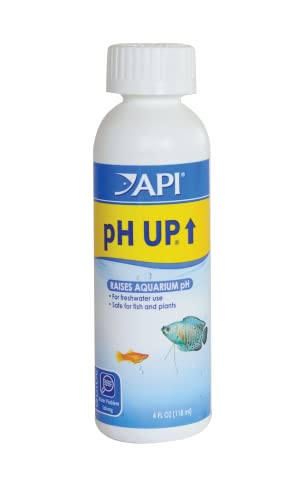
Contains one 4-ounce bottle designed to raise freshwater aquarium water pH. The formula is phosphate-free and claimed safe for plants and fish, aligning with planted tanks and community setups. Best for: small tanks or new setups where a quick pH lift is needed without encouraging algae growth. Limitation: may require careful incremental dosing to avoid sudden shifts in larger aquariums.
KORDON #35316 pH Increase Adjuster for Aquarium, 16-Ounce

This 16-ounce, fast-acting solution raises pH and is designed for both freshwater and saltwater tanks. It pairs well with pH stabilizers for a balanced approach to pH management. Best for: mid- to large-sized tanks needing quicker pH adjustments. Caution: use with care in heavily stocked or sensitive biotopes to avoid rapid shifts.
API pH Up Freshwater Aquarium 16-Ounce Bottle

A larger-volume pH Up option with a phosphate-free formula. It is intended to raise pH in freshwater systems while remaining safe for fish and plants. Best for: medium to large tanks where a stable, gradual pH increase is desired. Limitation: bulk quantity may be unnecessary for very small tanks, increasing the risk of overshoot if dosed improperly.
MYRIONT Crushed Coral for Freshwater Aquarium

500 g of crushed coral designed to raise and stabilize pH naturally by releasing calcium-based minerals. Suitable for freshwater aquariums and ponds, it can also serve as an aesthetically pleasing decor while providing long-term buffering. Best for: tanks that benefit from a natural, gradual pH rise. Limitation: slower to adjust pH; initial increases may be subtle and require time to reach target levels.
Tetra Correct pH Tablets 8 Count

Eight tablets designed to help maintain neutral pH in aquariums, offering a convenient, low-maintenance option for consistent pH control. Best for: hobbyists seeking a simple, predictable maintenance routine. Caution: tablets are most effective when used as part of a broader pH management plan rather than as a sole solution.
Buying Guide: How To Choose The Right pH Up Product
What kind of tank are you maintaining?
Small, heavily planted tanks often benefit from gentle, gradual pH increases to avoid stress on delicate species. Larger tanks may require stronger or more frequent dosing or natural buffering with coral media.
Do you prefer fast results or long-term stabilization?
Fast-acting solutions (like liquid pH Increase) can raise pH quickly but require close monitoring. Natural media like crushed coral provide slower, steadier stabilization with less frequent adjustments.
Is buffering compatible with your current filtration and water source?
Some pH products pair well with standard tap water, while others necessitate additional steps, such as pretreatment for alkalinity. Always check compatibility with existing pH stabilizers and tap water chemistry.
How sensitive are your fish or plants to pH changes?
Species vary in tolerance. If you keep sensitive fish or invertebrates, opt for gradual amendments and consider testing your pH daily during initial adjustments.
What maintenance pattern fits your routine?
Tablets offer convenience for periodic maintenance, while liquid solutions require regular dosing. Choose a method that aligns with your schedule and measurement discipline.
How should you monitor progress?
Use a reliable test kit to measure pH and, when possible, alkalinity (KH). Track changes over several days to determine if the chosen product achieves the target range without overshooting.
Practical dosing tips
- Always introduce pH up products slowly and in small increments.
- Stabilize water temperature and ensure adequate aeration during adjustments.
- Record dosing amounts and test results to refine future applications.
FAQ: Quick Answers For First-Time pH Adjustments
- What is a safe pH range for most freshwater fish?
A typical safe range is roughly 6.5 to 7.5, depending on species. Avoid rapid changes that cause stress or shock.
- Can I mix pH Up and pH Down products?
Avoid mixing pH up and down solutions simultaneously. Make adjustments in stages and test water after each dose.
- Will crushed coral raise pH indefinitely?
Crushed coral provides gradual buffering but may level off as it becomes saturated. Regular testing helps determine when to supplement or replace media.
- How often should I test pH after an adjustment?
Test once daily for the first week, then reduce frequency once pH remains stable within the target range.
- Are phosphate-free formulas better for planted tanks?
Phosphate-free formulas reduce the risk of unwanted algae growth while supporting plant health when used correctly.