Answering the need for nutrient-rich, plant-friendly substrates, this guide highlights five organic or ecosystem-friendly aquarium soils ideal for planted tanks and shrimp setups. Each option is evaluated for plant growth support, pH influence, and suitability for beginners or experienced hobbyists.
The following quick reference helps buyers compare at-a-glance. It includes best-use scenarios to match hobbyist goals, from lush plant growth to shrimp-habitat safety.
| Product | Brand | Best For | Why It Stands Out |
|---|---|---|---|
| Fluval 12694 Plant and Shrimp Stratum | Fluval | Planted tanks with shrimp | Promotes robust plant growth; supports beneficial bacteria; neutral to slightly acidic pH |
| Fluval 12693 Plant and Shrimp Stratum | Fluval | Smaller tanks; shrimp habitats | Good for rapid colonization by nitrifying bacteria; stable pH; shelter for newborn shrimp |
| Omitgoter Aquatic Plant Soil | Omitgoter | Lotus, water lilies, general aquatic plants | 100% natural soil mix; supports microbial balance; versatile use across water features |
| Aqueon Plant And Shrimp Substrate | Aqueon | Freshwater planted tanks and shrimp habitats | Clay-based substrate with stable structure; promotes healthy plant growth |
| Aqua Natural Galaxy Sand Bio-Substrate | Aqua Natural | Seeded bio-substrate for quick cycling | Introduces nitrifying bacteria; accelerates aquarium cycling |
Fluval 12694 Plant and Shrimp Stratum

Best for: Planted tanks with shrimp and small fish. This substrate promotes robust root growth, enabling plants to establish quickly and absorb nutrients effectively. Its porous structure supports rapid colonization of beneficial bacteria, fostering a stable, healthy environment. The material helps maintain a neutral to slightly acidic pH, which favors many aquatic plants and shrimp species commonly used in planted aquariums.
Why selected: It combines plant-friendly texture with microbial support, making it a practical choice for hobbyists seeking a ready-to-use substrate that aids in both plant and shrimp health. A potential limitation is that very large tanks may require additional substrate or mixing for uniform depth and plant coverage.
Fluval 12693 Plant and Shrimp Stratum
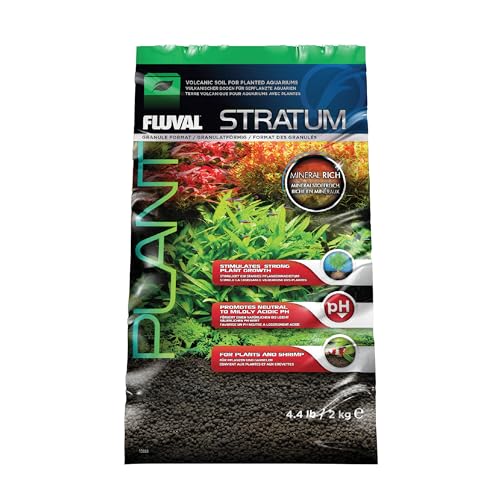
Best for: Small to medium tanks focused on shrimp breeding and healthy plant growth. Its porous makeup supports rapid nitrifying bacteria colonization, essential for a balanced aquarium. It also maintains a stable neutral to slightly acidic pH, which is favorable for many aquatic plants and tropical shrimp species.
Why selected: The substrate’s design encourages a stable microbial ecosystem, helping reduce fluctuations in water quality. A caution: in very soft water setups, monitor pH stability, as adjustments may be needed based on local tap water chemistry.
Omitgoter Aquatic Plant Soil
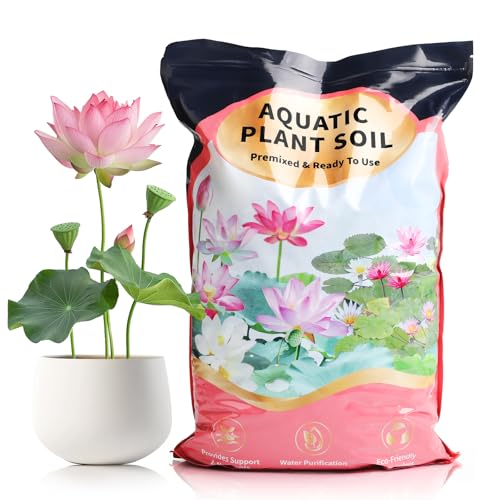
Best for: Aquatic plant setups requiring a nutrient-rich base and diverse plant compatibility, including lotus and water lilies. This soil is marketed as 100% natural and designed for ecological balance within the substrate.
Why selected: It emphasizes a balanced microbial environment and broad applicability, making it a strong all-around option. Limitation: product data may not specify pH effects as clearly as other substrates; test water parameters when introducing new soil.
Aquascape Pond Plant Potting Media
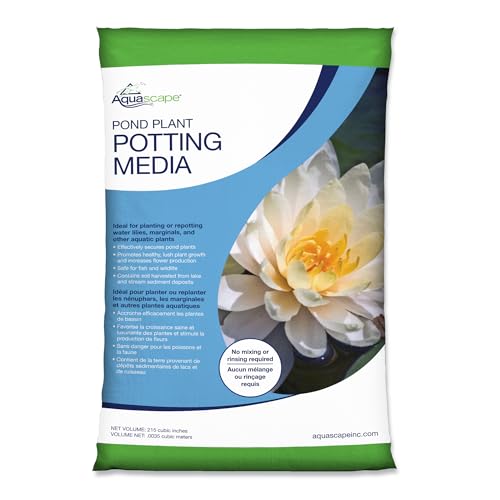
Best for: Water gardens and pond-inspired aquariums with larger plant species like water lilies and lotus. This soil is designed to encourage robust root growth while helping maintain clear water by avoiding excessive nutrient leaching.
Why selected: It’s a specialized option for pond-style aquariums, where strong roots and algae control are priorities. Caution: not a typical nano-tank substrate; ensure substrate depth matches tank size and plant needs.
Aqueon Plant And Shrimp Substrate
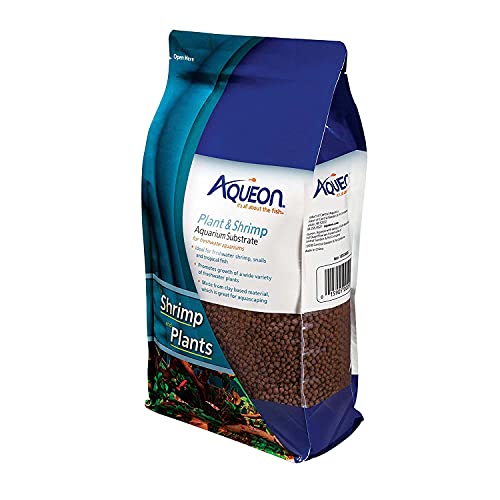
Best for: Freshwater tanks focused on plant growth and shrimp habitats. This clay-based substrate helps maintain a stable structure and supports healthy plant roots over time.
Why selected: The spherical clay-based composition resists breakdown and maintains consistent planting depth, which is beneficial for beginners seeking low-maintenance substrate. Limitation: some users may prefer richer biological activity from volcanic-based substrates for very dense plantings.
Buying Guide: Key Considerations When Choosing Aquarium Soil
- Plant compatibility: Choose a substrate that supports root development and nutrient uptake for your target plants, such as stem plants or root-heavy species like swords and crypts.
- Shrimp and fish safety: If keeping shrimp or small fish, prioritize substrates that do not rapidly release sediments or cause pH swings.
- pH and water parameters: Most planted substrates favor neutral to slightly acidic conditions; verify your local water chemistry and adjust with compatible substrates if needed.
- Substrate longevity: Some soils maintain structure and nutrients for years, while others may compact or require topping up over time. Consider maintenance needs for your tank size.
- Ease of use: Pre-washed, granulated, or seeded options reduce prep time and support quicker plant establishment.
- Multi-use versatility: If you plan to switch plant types or add ponds or lilies, look for soils marketed as all-scenario or suitable for a range of aquatic plants.
Frequently Asked Questions
What makes an aquarium substrate “organic”?
Organic substrates are derived from natural materials and emphasize nutrient support for plants, often with fewer synthetic additives. Some products may be mineral-based but marketed for plant health and microbial balance.
Do I need to rinse soil before use?
Rinsing is often recommended for soil-based substrates to remove fine dust and reduce clouding. Always follow the product’s prep instructions.
Can I mix substrates?
Yes, mixing substrates can tailor nutrient availability and root depth. Start with a base layer and top with a lighter, inert substrate if desired.
How soon will plants respond after adding substrate?
Rooted plants may begin to show new growth within weeks, especially when combined with appropriate lighting and CO2 in some setups. Microbial colonization occurs progressively.
Is seeded substrate better than plain soil?
Seeded substrates include beneficial bacteria that can help cycle the tank faster, which is advantageous for leaders aiming for quicker stability.
Can substrate affect ammonia or nitrite levels?
Yes. Substrates with robust microbial activity can help establish nitrifying bacteria, reducing ammonia spikes when the tank is first seeded.