Answering what to choose for a healthy, visually striking reef or sea-life tank: the right live rock and live sand set a solid foundation for corals, beneficial bacteria, and stable water chemistry. This guide highlights five top options that balance aesthetics, function, and compatibility for different hobbyists, from nano-tank keepers to larger reef enthusiasts. Each pick is evaluated for who it’s best for, potential limitations, and how it fits into popular reef setups.
| Product | Best For | Why It Stands Out |
|---|---|---|
| Real Reef Original Rock, 10 lb Mixed Box | Medium to large reef setups | Assorted shapes with bio-active, pH-stabilizing materials for natural-looking, mature reefs. |
| Ocean Aquaria 3 Hole Sandbed Frag Rack | Nano and small tanks | Compact, reef-safe frag rack designed for sandbeds with multiple plug holes. |
| Ocean Aquaria 7 Hole Barnacle Cave Frag Rock | Small to mid-sized tanks | Natural look with a cave feature; holds multiple frag plugs and adds hideaways. |
| Nature’s Ocean Bio-Activ Samoa Pink Reef Sand, 20 lbs | Systems needing natural aragonite substrate | Sourced aragonite sand supporting biology and water balance. |
| Reef Brite Aquarium Live Rock Enhance | New live rock curing and enhanced bioactivity | Microbial/enzymatic action to accelerate live rock conditioning. |
Real Reef Original Rock, 10 lb Mixed Box

Best for creating a natural, mature-looking reef with varied structures. The Real Reef Original Rock is a mix of pieces designed to resemble real reef formations, made from calcium-carbonate and aragonite-based materials that support biological filtration and long-term stability. This option is especially suitable for established tanks seeking diverse crevices and arch setups.
- Assorted shapes and sizes provide flexible layout options for caves, arches, and islands.
- Bio-active materials help stabilize pH over time.
- Porous surface supports beneficial bacteria and coral growth.
Best for: Hobbyists building a visually natural reef with multiple vertical and horizontal surfaces. Choose this if you want a realistic rockscape that doubles as a support for corals and microfauna.
Caution: Pieces vary in size; plan your aquascape with room for future additions.
Ocean Aquaria 3 Hole Sandbed Coral Frag Rack/Rock

Best for tiny or nano reef tanks needing compact frag placement. This frag rock measures 3″ x 2.5″ x 1.5″ and includes three frag plug holes plus a reef-safe design that blends with live rock. It’s ideal for small tanks, nano-reefs, or filling gaps on the sandbed.
- Calcium carbonate-infused resin provides a natural look and stable base for frags.
- Reef-safe and nano-friendly; safe for fish and corals.
Best for: Aquarists who want to maximize frag placement in a limited footprint. Avoid if you need larger rock structures or more frag holes.
Caution: Best used in systems where frag plugs can be easily secured and monitored for growth patterns.
Ocean Aquaria 7 Hole Barnacle Cave Frag Rock Sandbed Base
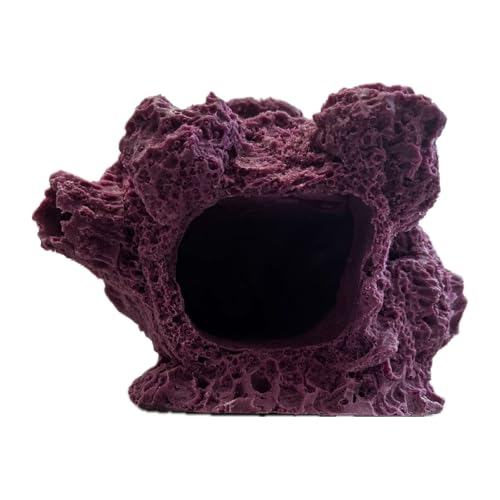
Best for tanks that benefit from added complexity and a cozy hiding space. This frag rock is molded from a real giant Pacific barnacle-inspired design and holds up to seven coral frag plugs. A natural hideaway provides shelter for fish, invertebrates, and curious critters.
- Handcast in the USA with reef-safe polymer filled with aragonite sand and calcium carbonate for texture and weight.
- Dual-purpose design: top for coral frags, bottom for a cave environment.
Best for: Those who want a rugged, visually interesting rock with built-in shelter. Choose this if you want a rock that doubles as an aquarium habitat feature.
Caution: The weight and size may require careful placement in smaller tanks to maintain stability and avoid tipping.
Nature’s Ocean Bio-Activ Samoa Pink Reef Sand, 20 lbs

Best for systems needing a natural aragonite substrate that supports water balance. This Samoa Pink Reef Sand helps stabilize pH and provides a visually appealing pink-hued foundation suitable for marine tanks of various sizes.
- Fine aragonite sand sourced for a natural look and texture.
- Supports biological filtration and water balance through buffering capacity.
Best for: New and established tanks seeking a natural substrate with color variation. Choose this if you want a substrate that promotes a stable environment and aesthetic appeal.
Caution: Fine sand can cloud during initial setup; consider a careful media rinse and slow filling.
Reef Brite Aquarium Live Rock Enhance

Best for accelerating cure and bioactivity of new live rock. Reef Brite Live Rock Enhance uses microbial and enzymatic action to help cure rock more completely and quickly while promoting a thriving microbial ecosystem in new or aging tanks.
- Designed for reef or fish-only setups with or without live rock.
- Recommended dosing in higher circulation areas during the first week of use.
Best for: Hobbyists introducing new live rock who want faster stabilization. Choose this if you’re setting up a new system and want to boost early microbial activity.
Caution: Not a substitute for proper cycling; use as directed and monitor water parameters during initial weeks.
Buying Guide: Key Purchase Considerations
What should you evaluate when selecting live rock and live sand?
- Tank size and layout: Nano tanks require compact rocks and fragile frag racks, while larger systems benefit from varied rock formations and bigger substrates.
- Substrate type and color: Aragonite sands support buffering and a natural look; pink and purple hues can influence aesthetics.
- Biological readiness: Live rock with established bacteria accelerates cycle; inert rocks require careful cycling and monitoring.
- Frag placement: Frag racks and cave rocks help organize frags and provide hiding spaces for fish and invertebrates.
- Maintenance considerations: Porous rocks trap detritus; ensure adequate filtration and water flow to prevent debris buildup.
- Compatibility: Choose reef-safe materials to prevent leaching or harm to corals and invertebrates.
What’s the right combination for a beginner tank?
A practical approach is to start with a solid base of natural live rock to establish biological filtration, add a dependable aragonite sand substrate to stabilize pH, and incorporate a couple of frag rocks or a cave rock for aquascaping and frag placement. This setup supports a robust, diverse environment while remaining manageable for new hobbyists.
How do frag racks influence coral health?
Frag racks organize coral fragments and keep them from growing into unintended spaces. They enable more precise growth control, reduce competition for space, and help you monitor frag development over time. Ensure plugs fit securely and that water flow around frags is sufficient for growth.
Is aragonite sand essential?
Aragonite sand contributes to buffering capacity and calcium balance in many marine systems. It is often preferred for natural-looking substrates and for supporting beneficial bacteria. However, some setups can function with other sands if parameters are managed carefully.
How should I cycle a new rock setup?
Introduce live rock and sand gradually, monitor ammonia, nitrite, and nitrate levels, and allow beneficial bacteria to populate the rock surfaces. If using a rock-enhancement product, follow the recommended dosing and observe the system for stability over several weeks.
What are common limitations to consider?
Size variability in mixed rock boxes can influence aquascaping precision. Frag racks require secure placement to prevent tipping in high-flow areas. Some sands can cloud during initial setup, so plan for a slow fill and mechanical filtration.
FAQ
- What is the best substrate for a reef tank? – Aragonite-based sands are popular for buffering and natural appearance, though other substrates can work with careful water management.
- How many pounds of live rock do I need for a 20-gallon tank? – A typical guideline is 1 to 1.5 pounds of live rock per gallon, but this varies by reef complexity and rock size.
- Can frag rocks support multiple coral frags? – Yes, frag rocks with multiple holes or spaces provide ample attachment points for several frags.
- How soon can corals be placed after rock setup? – After initial stabilization of water parameters, corals can be introduced gradually as tank conditions stabilize.
- Should I use a rock-enhancement product for new rock? – Rock-enhancement products can help start microbial activity, but they should not replace proper cycling and monitoring.
- Is pink reef sand safe for all reef tanks? – It is generally safe if the sand matches your system’s buffering and flow needs and does not introduce unwanted silica or contaminants.