When aiming to lower nitrates in an aquarium, choose a nitrate-reducing media that fits your setup and maintenance schedule. This guide highlights five dependable options that address nitrate buildup across freshwater and saltwater systems, from hobbyist tanks to larger established setups. Best for hobbyists seeking affordable, easy-to-cut pads; best for reef and marine systems; best for flexible sizing; best for modular filtration; best for combo filtration. The products below are organized to help you pick the right fit for your tank’s filtration and maintenance routine.
| Product | Best For |
|---|---|
| Continuum Aquatics Bact Rox Nitrazex | All‑aquarium filtration; porous media for bio-filtration and nitrate removal |
| PENN-PLAX Nitrate Reducer Pad | Easy to trim to fit most filters; general freshwater and saltwater use |
| Premium Nitrate Reducer Pad 18×10 | Wide compatibility; cut-to-fit for larger or unusual filter spaces |
| Flexible, cut-to-fit nitrate removal; good for diverse systems | |
| Treela 4 Pack Aquarium Filter Media Pads | Multi‑function filtration; color‑coded for ammonia, nitrite, and phosphate control |
Continuum Aquatics Bact Rox Nitrazex

Best for porous bio-filtration and nitrate removal in reefs, marine, and freshwater aquariums. Bact Rox Nitrazex is designed as an extremely porous filtration medium to boost bio-filtration while reducing nitrates, nitrites, and ammonia. It provides a large surface area—about 7,500 square feet per liter—for bio-colonization, which supports ongoing nitrate reduction and overall water quality. Use this in any aquarium type to support nitrifying and denitrifying processes and to help control phosphate and organic pollutants.
Who it’s best for: hobbyists managing established reefs or mixed tanks that need robust bio-filtration plus nitrate control without frequent media changes. Limitations: media volume and flow requirements matter; ensure adequate circulation to maximize surface area contact with water.
PENN-PLAX Nitrate Reducer Pad

Best for easy customization and general filtration needs. These 10” x 18” nitrate reducer pads are infused with natural mineral powder and can be trimmed to fit a wide range of filters. Suitable for both freshwater and saltwater setups, including ponds. The media helps trap loose particulates and helps maintain nitrate levels to keep water clearer.
Who it’s best for: beginners and hobbyists needing simple, adjustable sizing. Limitations: rinsing before use is essential; replace every 4–6 weeks for best results.
Premium Nitrate Reducer Pad 18×10
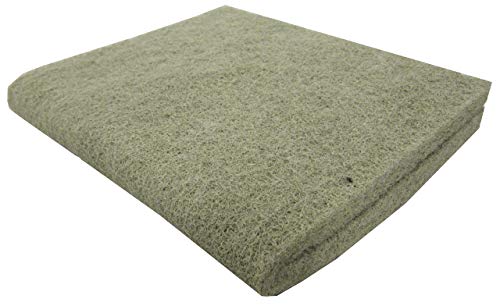
Best for cut-to-fit versatility and higher filtration demands. This 18×10″ nitrate reducer pad is designed for both freshwater and saltwater tanks, ponds, and aquatic systems. Its thick, rigid construction helps maintain a tighter fit in filter compartments, supporting longer pad life and stable flow. It can be used alongside micron pads, polyfiber, ammonia reducers, and carbon pads for comprehensive filtration.
Who it’s best for: aquarists with larger filters or custom setups needing a durable, form-stable pad. Limitations: ensure compatibility with your filter’s depth and flow rate to prevent bypass.
Treela Nitrite Remover Pad

Best for flexible fit and combined filtration benefits. Treela’s filter pad is designed for cutting to fit and offers a nitrate removal solution that works in various filter configurations. The pad’s large 4.53 x 39.37-inch footprint provides material for multiple compartments and supports swift nitrate reduction in both freshwater and saltwater environments.
Who it’s best for: aquarists seeking a versatile, cut-to-fit option with broad applicability. Limitations: like any pad, performance improves when paired with complementary media such as carbon, phosphate reducers, and ammonia pads.
Treela 4 Pack Aquarium Filter Media Pads

Best for multi‑purpose, color-coded filtration in one kit. This 4‑pad set includes green for ammonia, gray for nitrite, khaki for phosphate, and a black pad for debris capture. The combination delivers mechanical plus chemical filtration in a single package, improving overall water quality when used together. It targets multiple water quality issues simultaneously.
Who it’s best for: tanks needing a consolidated filtration approach. Limitations: evaluating your tank’s current ammonia, nitrite, and phosphate levels helps in sequencing media use for best results.
Brightwell Aquatics Erase CL P

Best for large systems and economical chlorine, chloramine, ammonia, nitrite, and nitrate neutralization. Erase CL P is a powder form designed for professional and recreational aquarists managing large setups. It provides broad chemical filtration for tap water and aquarium water, enabling more stable water chemistry in substantial systems.
Who it’s best for: operators of large or multiple tanks needing efficient chemical filtration. Limitations: dosing must follow product guidance to avoid oversaturation or unintended chemical shifts.
Buying Guide: Nitrate Reduction For Aquariums
- What type of filtration media do I need? Choose mechanical pads to trap particulates and chemical media to reduce nitrates. Combining media can improve results but requires compatible filters and adequate flow.
- Can I cut media to fit my filter? Yes. Pads like the Penn-Plax and Premium Nitrate Reducer Pad can be trimmed to fit. Ensure a snug fit to prevent bypass and maintain flow.
- Freshwater vs. saltwater considerations? Most nitrate reducers work in both environments, but reef tanks may benefit from media designed for higher flow and stability to avoid sudden chemistry changes.
- How often should media be replaced? Replacement intervals vary: some pads suggest every 4–6 weeks, while porous bio-media like Bact Rox may last longer with proper flow. Always follow manufacturer guidelines and monitor nitrates.
- Should I use a combination of media? Combining mechanical, ammonia, nitrite, and nitrate reducers can provide balanced filtration. Avoid overlapping media that remove the same compounds too aggressively if it risks disrupting beneficial bacteria.
- How do I monitor effectiveness? Regular nitrate testing and water testing for ammonia, nitrite, and phosphates help assess whether the media is meeting your goals and when to replace or adjust.
FAQ
- What is the primary purpose of nitrate reducer media? To lower nitrate levels in aquarium water, supporting better water quality and fish health.
- Can nitrate reducers harm my beneficial bacteria? Generally not when used as directed, but drastic changes or improper dosing can impact bacterial balance. Follow product guidelines.
- Should I run nitrate reducers in all tanks? Not necessary for very low-nitrate systems; use when tests indicate elevated nitrates or when you’re maintaining sensitive livestock.
- How do I choose between pads and porous bio-media? Pads are often easier to fit and replace; porous bio-media provides long-term surface area for bacteria and can complement pads for comprehensive filtration.
- Is cutting media to fit safe? Yes, when done with clean, sharp scissors and after rinsing. Ensure no loose fibers remain that could clog filters.
- Do these products affect water hardness or pH? Nitrate-reducing media primarily target nitrate and related compounds; they should not dramatically alter pH or hardness when used as directed.