Choosing the right green gravel helps create a natural look while keeping water chemistry stable in freshwater tanks. This guide highlights five green gravel options and explains who each is best for, so you can pick the best fit for your fish, plants, and tank size.
| Product | Brand | Why It Stands Out | Best For |
|---|---|---|---|
| Spectrastone Permaglo Green Aquarium Gravel | Estes | Non-toxic coating; will not affect pH; safe for freshwater aquariums | Beginners and small tanks needing stable pH |
| Siencooray Glass Stones | Siencooray | 6-9mm stones; dye-free; smooth edges | Natural look with gentle surfaces for sensitive fish |
| Spectrastone Lake Green Aquarium Gravel | Spectrastone | Will not affect pH; safe and non-toxic | Medium to larger tanks seeking uniform green gravel |
| RCFFDL Green Glass Stones | RCFFDL | River-gleam finish; 6-9mm; no dye fading | Natural river-like aesthetic without color bleed |
| NUPICK Pebbles For Indoor Plants | NUPICK | Dye-free; long-lasting color; 3/8 inch pebbles | Decorative base for plants and mixed layouts |
Spectrastone Permaglo Green Aquarium Gravel
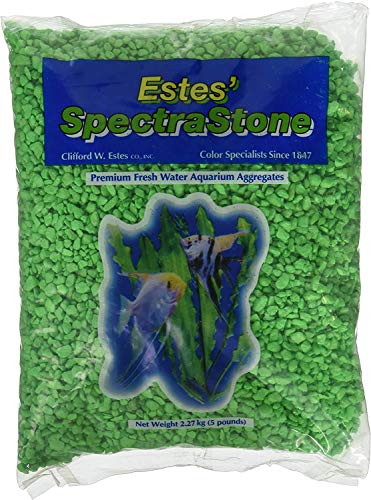
Brand: Estes. This 5-pound bag is designed for freshwater use with a non-toxic coating that remains inert to water chemistry. It is specifically noted to not affect pH, reducing the risk of sudden changes in tank conditions. It is best for beginners or small tanks where stability is a priority. A potential limitation is the fixed grain size, which may not suit all aquascaping goals.
Siencooray Glass Stones (Green)

Brand: Siencooray. These green glass stones are 6-9 mm in size and weigh about 0.85 lb per bag. They are dye-free and designed to resist fading, with smooth edges to minimize harm to inhabitants. This option is ideal for tanks seeking a natural river-pebble appearance. Best for mid-sized tanks that require a subtle, durable green palette; avoid if you need ultra-fine substrate for root-feeding plants.
Spectrastone Lake Green Aquarium Gravel

Brand: Spectrastone. This 5-pound bag offers a lake-green hue with the same pH-stable, non-toxic coating emphasized by Spectrastone products. It is suited for freshwater setups that want a consistent green tone across a larger area of the substrate. The main consideration is similar to other small-grain gravels: ensure your plant rooting needs match the grain size.
RCFFDL Green Glass Stones

Brand: RCFFDL. This green glass stone set also uses 6-9 mm stones with no dye that fades. The finish resembles natural river gravel and is suitable for a realistic look. Best for aquariums where a natural, rugged green tone is desired; consider pairing with plants that tolerate medium-sized gravel without trapping detritus.
NUPICK Pebbles For Indoor Plants (Green)

Brand: NUPICK. A 3-pound bag of 3/8 inch (6-9 mm) polished pebbles, dye-free and designed to resist fading in water. The stones are described as smooth and shiny, requiring a quick rinse for maximum brightness. This option is good for top-dedding plants or creating varied textures in a larger tank. It is best for plant-forward layouts but may not be ideal for extremely fine substrate lovers.
Buying Guide: Green Gravel For Freshwater Tanks
What should you consider when buying green gravel for your aquarium?
- Grain size and tank inhabitants: Smaller grains are popular for planted tanks and small fish; larger grains suit more open layouts and larger fish.
- pH and water chemistry: Look for gravel labeled as inert or with a non-toxic coating to avoid unexpected pH shifts.
- Color and aesthetic: Choose hues that complement your décor and plant colors; greens range from olive to emerald and can affect perceived water clarity.
- Durability and fade resistance: For long-term color stability, dye-free or fade-resistant options are preferable.
- Maintenance: Consider how the gravel impacts substrate cleaning and detritus removal; some textures trap more debris than others.
Frequently Asked Questions
- Do green gravels affect water pH? Some gravels are inert and won’t affect pH, while others may have coatings; check product specifications.
- What grain size is best for planted tanks? Fine to medium grains (2–6 mm) are common for root-feeding plants, while larger grains reduce root contact and can hinder roots.
- Are glass stones safe for all fish? Generally yes, with smooth edges; avoid sharp pieces that could injure delicate species.
- Can I mix different green gravels? Yes, mixed gravels can create depth and visual interest, but ensure consistency in grain size for even rooting zones.
- How should I clean new gravel? Rinse thoroughly before placing in the tank to remove dust and reduce cloudiness.
- Is glow-in-the-dark gravel suitable for aquariums? It is generally designed for decorative uses and may not be ideal for standard fish habitats; stick to aquarium-approved greens for consistent aesthetics.