Answer: A good aquatic soil for aquariums supports strong plant growth, stable water parameters, and a healthy environment for shrimp and small fish. This guide highlights five top substrates that work well for planted tanks, shrimp setups, and general aquariums. It explains who each product is best for, along with practical buying considerations to help you choose confidently.
| Product | Best For | Why It Stands Out |
|---|---|---|
| Fluval 12694 Plant and Shrimp Stratum | Medium to large planted tanks with shrimp | Promotes robust plant growth, rapid beneficial colonization, neutral to slightly acidic pH |
| Fluval 12693 Plant and Shrimp Stratum | Smaller tanks and shrimp habitats | Porous surface for nitrifying bacteria, stable pH, shelters newborn shrimp |
| Aqueon Plant and Shrimp Aquarium Substrate | General planted aquariums and shrimp habitats | Stable foundation for plants, clay-based with long-term shape stability |
| Hygger CO2 Upgraded Aquarium Soil | Planted aquariums seeking rapid bio-colonization | Stable pH, promotes bacteria growth, supports plants and shrimp |
| Hewnda Complete Freshwater Substrate | Complete planted tanks with diverse species | Contains nutrients; supports aeration and plant roots |
Introduction: A high-quality aquatic soil substrate provides nutrients for plant roots, creates a stable environment for beneficial bacteria, and supports invertebrates like shrimp. This article focuses on substrates that are suitable for freshwater planted tanks, shrimp habitats, and multi-species aquariums. The selections below are chosen for clear plant growth benefits, reliable pH management, and practical handling in typical home setups. Each product entry notes the target user and a key reason for selection.
Fluval 12694 Plant And Shrimp Stratum

What this product is best for: Medium to large planted tanks with shrimp, where robust plant growth and a stable microflora are important. The Stratum formulation helps plant roots penetrate easily and supports nutrient uptake critical for growth, while its porous structure encourages rapid colonization by beneficial bacteria.
Why selected: It balances nutrients, root support, and bacteria-friendly porosity. Fine for aquariums that emphasize lush plant life and shrimp health. Limitations: The texture is designed for plant roots; avoid environments where heavy digging could disrupt substrate uniformity in very small tanks.
Fluval 12693 Plant And Shrimp Stratum
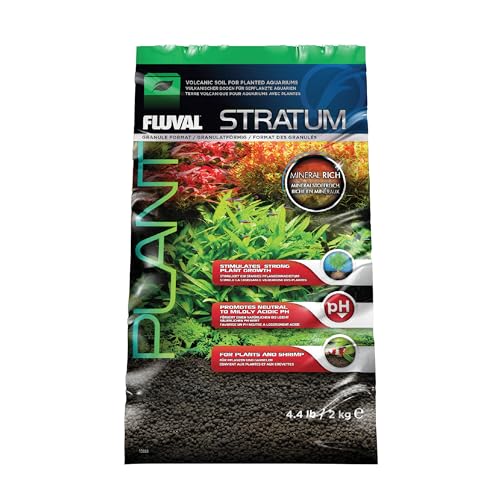
What this product is best for: Small to medium tanks with shrimp and plant life where a soft soil-like substrate is beneficial. The porous structure supports rapid colonization of nitrifying bacteria, contributing to a healthier tank environment.
Why selected: It promotes biological filtration without aggressive changes to water chemistry. Caution: In very hard or highly buffered water, pH stability may vary slightly; monitor pH after setup.
Aqueon Plant And Shrimp Substrate
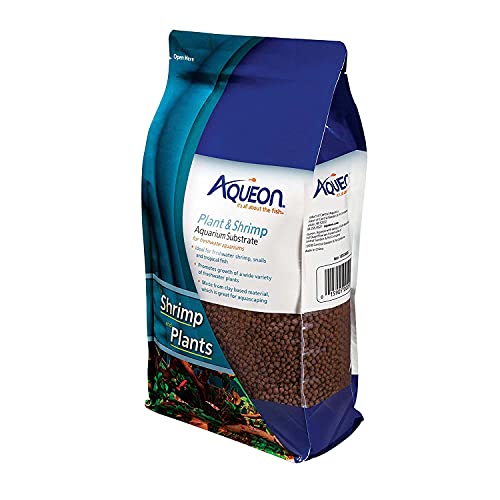
What this product is best for: Planted aquariums and shrimp habitats requiring a stable clay-based substrate that preserves shape over time. Ideal for creating a natural-looking substrate and a foundation for root growth.
Why selected: The spherical clay-based composition resists breakdown, helping prevent compacted soil. Limitation: Some users may require initial rinsing to reduce fines depending on batch.
Hygger CO2 Upgraded Aquarium Soil

What this product is best for: Planted aquariums needing stable pH and efficient bio-colonization, particularly when CO2 supplementation is used. The soil’s porous structure supports rapid growth of beneficial bacteria and plants alike.
Why selected: Maintains a pH range of 6.5–7.5, which is friendly to many tropical plants and shrimp. Caution: Avoid direct addition to very established tanks during initial nutrient release to prevent temporary spikes in parameters.
Hewnda Complete Freshwater Substrate

What this product is best for: Complete planted tanks where nutrients and aeration support diverse plant life and fish. It is designed to promote root growth while maintaining water quality.
Why selected: Its nutrient-rich composition supports root development and overall plant health. Limitation: Some batches may include minor impurities; ensure thorough rinsing before use if needed.
Buying Guide: Choosing The Right Aquatic Soil For Your Aquarium
What plant and wildlife are you targeting?
For tanks focusing on lush aquatic plants and shrimp, look for substrates marketed as plant-friendly with good root penetration and beneficial bacteria support. For betta or small tanks, consider substrates tailored to smaller volumes and gentle water chemistry.
How important is pH stability?
Many aquatic soils aim to maintain a neutral to slightly acidic pH. If your tank hosts sensitive species or specific plant varieties, verify the substrate’s impact on pH and whether it requires monitoring or adjustments after setup.
How much bio-filtration support do you need?
A substrate that facilitates rapid colonization by nitrifying bacteria helps establish a quick, stable bio-filter. If you rely on live plants for filtration, a combination with nutrient-rich soil can be advantageous.
What tank size and layout are you planning?
Smaller tanks benefit from finer substrates that are easy to manage, while larger tanks can leverage deeper soils with more nutrients. Size compatibility is a practical consideration for substrate depth and substrate-to-water ratio.
What maintenance considerations matter?
Look for substrates that resist rapid breakdown and maintain their structure. Some soils require initial rinsing or gentle water changes after setup to clear fine particulates. Consider how easy it is to vacuum or stir the substrate without harming roots.
Are there any cautions for beginners?
New aquariums may experience nutrient release or minor pH fluctuations as soils settle. Start with gradual changes, monitor water parameters, and introduce livestock only after parameters stabilize.
FAQ
Q1: What is the main purpose of aquatic soil in an aquarium?
To provide nutrients for plant roots, support beneficial bacteria, and help create stable water parameters for plants and invertebrates.
Q2: Do all aquatic soils require rinsing before use?
Many do; some products specify minimal rinsing, while others may have sands or clays that produce dust. Rinse as directed to reduce cloudiness.
Q3: Can I mix different soils in one tank?
Yes, but ensure compatibility with your plants and animals. Mixing can create layered zones for root growth and bacteria, but test water parameters after mixing.
Q4: How long does it take for benefits to appear after setup?
Root growth and bacteria colonization begin quickly, often within days, but full plant establishment may take weeks. Monitor growth and adjust lighting and nutrients accordingly.
Q5: Are these soils safe for shrimp?
Most are designed to support shrimp habitats, providing shelter and a suitable substrate for grazing. Confirm any product-specific cautions regarding delicate species.
Q6: Should I use fertilizer with these soils?
Many planted tanks benefit from additional root tabs or liquid fertilizers. Follow plant requirements and monitor algae, as excess nutrients can lead to algae blooms.