Answering the common question, the right substrate supports robust plant growth, stabilizes water, and fosters beneficial bacteria in freshwater planted tanks. This guide highlights five substrates that suit diverse aquariums, from beginner setups to active shrimp and nano-test tanks. Each option prioritizes root penetration, nutrient delivery, and pH stability to help aquatic plants thrive. Best for a planted tank with diverse flora and invertebrates, these choices balance texture, nutrients, and ease of use.
| Product | Key Benefit | Best For |
|---|---|---|
| Fluval 12695 Plant and Shrimp Stratum | Promotes robust growth; porous for beneficial bacteria; neutral to slightly acidic pH | Medium-to-large planted tanks with shrimp |
| Fluval 12694 Plant and Shrimp Stratum | Similar to 12695; optimized for plant roots and nitrifying bacteria | Community tanks with active plant growth |
| Fluval 12696 Natural Mineral-Rich Volcanic Soil Bio Stratum | Enriched nutrients; boosts plant coloration; activates beneficial water conditions | Low-to-medium tech setups seeking color and growth |
| Aqua Natural Sugar White Sand Bio-Substrate | Sand seeded with starter nitrifying bacteria; cycles aquarium quickly | Sand-based layouts or mixes with other substrates |
| FZONE Aquarium Soil (3mm, 4L/6.6 lb) | Nutrient-rich organic blend; stable pH; dust-free | Planted tanks with shrimp and fish seeking stable conditions |
Now, explore five top substrates tailored to freshwater planted tanks. Each section explains who benefits most, why selected, and practical considerations for use in an aquarium setup.
Fluval 12695 Plant And Shrimp Stratum

The Fluval 12695 Stratum is designed to support robust plant growth through easy root penetration and nutrient absorption. Its porous structure fosters rapid colonization of beneficial nitrifying organisms, promoting a healthy aquarium environment. The substrate maintains a neutral to slightly acidic pH, suitable for many aquatic plants, tropical fish, and shrimp commonly kept in planted tanks. Best for mid-sized tanks with shrimp or densely planted layouts, it minimizes nutrient lockout and supports vibrant foliage. A potential limitation is that similar Stratum products can require careful rinsing to reduce initial cloudiness.
Fluval 12694 Plant And Shrimp Stratum

The Fluval 12694 Stratum mirrors the benefits of the 12695 but in a slightly smaller package, making it a strong choice for compact or low-to-mid volume tanks. It supports vigorous plant growth and fosters beneficial bacteria, while helping to keep a neutral to slightly acidic pH. This option suits hobbyists who want reliable root development and a stable bacterial base without crowding a tank’s surface. One consideration is ensuring thorough rinsing before use to minimize any fine particles that can cloud water during setup.
Fluval 12696 Natural Mineral-Rich Volcanic Soil Bio Stratum

This volcanic soil substrate is mineral-rich and designed to promote robust plant development with vibrant coloration. It activates dormant nitrifying organisms on contact, speeding the nitrogen cycle for a balanced ecosystem. The substrate also stabilizes water conditions by reducing ammonia levels as it establishes a healthy microbial community. It is best suited for new tanks or setups transitioning from generic gravel to a nutrient-rich base. A potential drawback is that the material’s texture may be coarser than finer sands, requiring gentle placement to prevent detritus from settling in among plant roots.
Aqua Natural Sugar White Sand Bio-Substrate 5lb

This sugar white sand is seeded with bio-active nitrifying bacteria, offering a practical option for quick cycling and healthy substrate biology. It can be used alone or blended with other substrates to create a high-performance planted layout. Best for aquariums where you want a bright, natural sand aesthetic and faster establishment of the nitrogen cycle. A limitation is that sand-based setups may require more frequent substrate cleaning to prevent detritus buildup in densely planted areas.
FZONE Aquarium Soil For Planted Tanks
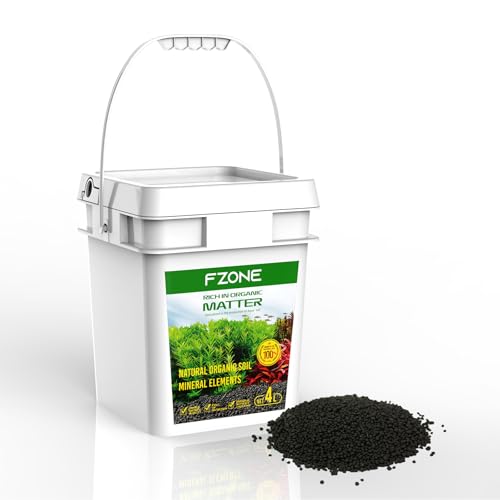
FZONE’s soil substrate offers a nutrient-rich organic blend with activated carbon, silica, soil, and minerals to support a healthy planted ecosystem. It is designed to promote strong root growth, capture debris, and gently lower pH to maintain stable water conditions. The dust-free formulation reduces clouding and makes for easier setup, especially in densely planted layouts. Choose this if you want a robust, stable base with a focus on continuous nutrient availability. A caution is that the 3mm granules may feel coarser than finer sands, which may influence rooting depth for very small plants.
Buying Guide
What should I look for in a planted tank substrate?
Key factors include texture, nutrient content, pH influence, and how the substrate supports root growth. Fine to medium grains offer solid anchoring for stems, while porous minerals promote beneficial bacteria. Nutrient-rich formulations help with leaf color and growth, and pH stability supports a wide range of freshwater plants and invertebrates.
Which substrate is best for shrimp tanks?
Substrates designed for neutral to slightly acidic pH and porous surfaces tend to support shrimp by facilitating biofilm growth and nitrifying bacteria. Stratum and mineral-rich volcanic soils are popular choices for shrimp-planted setups due to their balance of nutrients and microbial activity.
How important is pre-rinsing or rinsing before use?
Proper rinsing reduces cloudiness and removes fine particulates that can affect water clarity. Some products are marketed as dust-free, but a quick rinse is often advised for pristine water starting conditions.
Can I mix substrates?
Yes. Mixing creates a layered substrate that combines nutrient-rich zones with visually light surface materials. For example, a base of nutrient-rich soil can be topped with sand to maintain a clean appearance while preserving root access to nutrients.
How do I estimate how much substrate I need?
Calculate the volume of your aquarium (length × width × average depth). Substrate depth recommendations vary by plant types; most planted tanks favor 2–3 inches for root systems, with deeper layers for larger root feeders. Refer to product guidelines for precise coverage per liter or gallon.
Which substrate is best for beginners?
Substrates labeled as “dust-free” and with starter bioactivity are ideal for beginners. They provide straightforward establishment of the nitrogen cycle and reduce initial maintenance complexity while delivering a stable base for plants to establish roots.
Short FAQ
- What substrate helps plants color up quickly? — Mineral-rich or nutrient-dense bio soils often promote enhanced coloration in aquatic plants.
- Is a deeper substrate better for root growth? — Yes, deeper substrates provide more rooting space, but balance with plant size and tank inhabitants.
- Can I use sand with root-feeding plants? — Yes, but ensure adequate nutrient availability through substrate additives or nutrient-rich blends.
- Do I need to cycle a new tank with substrate alone? — Some substrates accelerate cycling, especially those seeded with nitrifying bacteria, but initial water testing is still recommended.
- Are there risks with coral-based or highly alkaline substrates? — They can raise pH and hardness, which may be unsuitable for many plants and invertebrates; choose a substrate compatible with your species.
Choosing the right freshwater planted tank substrate involves balancing texture, nutrients, and your tank inhabitants. The five substrates above provide diverse options to match specific plant types, shrimp compatibility, and maintenance preferences. Use the buying guide to tailor your choice to your aquarium goals and take practical steps to ensure a thriving, visually appealing planted tank.