Answer: If you want eye-catching, easy-care floating plants with long roots that help shade the water and boost filtration, these top picks are ideal. They’re best for beginners and experienced hobbyists who want faster surface coverage, natural nutrient uptake, and quieter tanks. The following selections emphasize red-root floaters and related floating species to maximize surface shading and nutrient removal without heavy maintenance. Below is a quick buyer-friendly guide and a concise product table to help you compare options at a glance.
| Product | Leaves / Coverage | Best For |
|---|---|---|
| Red Root Floater Live Aquarium Plants (Phyllanthus Fluitans) 60+ Leaves | 60+ leaves | Moderate to high light lovers; decorative red roots |
| Aquarigram 60+ Leaves Red Root Floaters | 60+ leaves | Balanced nutrient uptake; live-arrival guaranteed |
| Floating Plant Bundle: Red Root Floaters, Salvinia, Giant Duckweed | 30+ leaves per plant (3 species) | Complete surface coverage; natural filtration |
| 30+ Leaves Red Root Floaters (Shore Aquatic) | 30+ leaves | Budget-friendly starter option |
| Canton Aquatics Red Root Floaters | Red root floater variety | Easy care for beginners and experienced aquarists |
Note: The table above highlights the essentials—leaf count, coverage, and who each option is best for. All products are floating plants with notable red roots or dense surface canopies. Consider light availability, tank size, and existing inhabitants when choosing.
Red Root Floater Live Aquarium Plants (60+ Leaves)
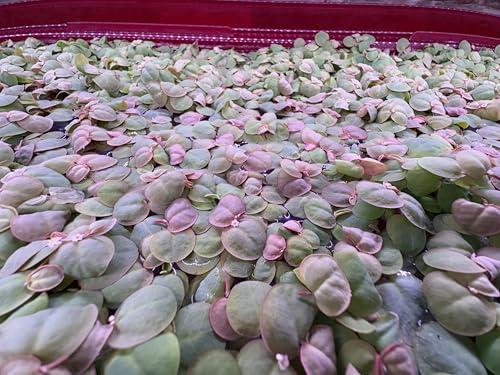
Features include 60+ healthy Red Root Floater leaves in a 4oz cup for immediate use. Appearance shows distinctive red-purple undersides with green tops, creating a floating carpet. Best for aquariums with moderate to high light. Requires gentle water flow and avoids heavy surface agitation, as this plant dislikes water resting on leaf surfaces. Best for hobbyists who want striking color and rapid surface coverage. Caution: too much water movement can impede rooting and reduce aesthetic appeal.
Aquarigram 60+ Leaves Red Root Floaters

These live floating plants offer a combined total of 60+ leaves, helping to quickly form a healthy floating canopy. They promote a balanced aquarium by absorbing toxins such as ammonia and nitrates and heavy metals. The seller provides a live-arrival guarantee. Best for hobbyists who want assurance of plant vitality and noticeable water quality benefits. Limitation: actual leaf count can vary slightly by shipment size and plant maturity.
Floating Plant Bundle: Red Root Floaters, Salvinia, Giant Duckweed

This 3-plant bundle includes Red Root Floaters, Water Spangles (Salvinia), and Giant Duckweed, providing complete floating plant coverage. Each plant type has distinct surface textures and growth patterns, offering a natural filtration effect by absorbing excess nutrients. Best for tanks needing rapid surface shading and nutrient management. Better for larger tanks with variable light; may require trimming to prevent overgrowth and competition for resources.
30+ Leaves Red Root Floaters (Shore Aquatic)
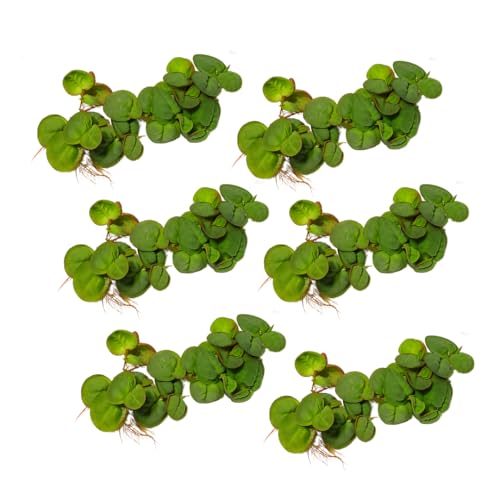
Contains 30+ leaves, plus a mystery bonus plant. This option is designed to promote a healthy, balanced aquarium by removing ammonia, nitrates, and heavy metals. Best for budget-conscious buyers or those seeking a quick, moderate-density floating canopy. Limitation: the exact bonus plant is variable; results depend on the additional species shipped.
Canton Aquatics Red Root Floaters

Includes a robust red root floater variety designed for easy care in freshwater tanks. It suits beginners and seasoned aquarists alike. Works well as a floating canopy that diffuses bright light and provides cover for shy fish. Best for compact setups where quick canopy formation is desired. Limitation: growth can be dense and may require regular thinning in smaller tanks.
Buying Guide
What should you consider when choosing floating plants with long roots?
- Light availability: Red-root floaters color up under moderate to high light. If light is limited, expect less intense coloration and slower growth.
- Tank size and density: Larger tanks benefit from bundles or mixes that cover more surface area quickly. Small tanks may need selective trimming to avoid blocking filter flow.
- Water movement: Floater plants dislike strong surface agitation. Choose plants that tolerate your filter’s flow or install gentle surface flow if necessary.
- Maintenance needs: Some bundles include multiple species; regular trimming helps prevent overgrowth and maintains tank balance.
- Water quality benefits: Floating plants absorb ammonia, nitrates, and heavy metals, contributing to clearer water. Use as part of a broader filtration strategy.
- Purchase guarantees: Some sellers offer live-arrival guarantees. This can reduce risk when ordering online.
Practical buying tips
- Start with 30–60 leaves if you’re unsure about growth in your setup, then add more as the canopy forms.
- Pair red-root floaters with a light-tolerant substrate or plant as needed to maintain balance in your aquarium ecosystem.
- Regularly monitor water parameters after introducing new floating plants to ensure stable conditions for fish and shrimp.
Common questions
- Do floating plants require CO2? Most red-root floaters do not require CO2 injection; they grow under typical aquarium conditions.
- Are these plants safe for shrimp tanks? Yes, many options support shrimp by providing cover and helping filter water, but avoid overly dense mats that restrict movement.
- How quickly do they grow? Growth rate varies with light, nutrient availability, and water temperature. Moderate to high light typically accelerates growth.
- Can they be used in planted tanks? Yes, they can coexist with other rooted plants, but ensure the leaves don’t block light for benthic plants.
- What maintenance is needed? Regular trimming to control density and prevent shading of other plants; monitor nutrient levels to avoid algae blooms.
- What is the best starter option? For beginners, Canton Aquatics Red Root Floaters or Shore Aquatic 30+ leaves offer easy care and steady growth.
FAQ
What is the main purpose of floating plants with long roots?
They shade the water, absorb excess nutrients, provide habitat for fry, and help maintain stable water quality.
Which plant is best for beginners?
Red Root Floater varieties from Canton Aquatics or Shore Aquatic are commonly recommended for easy maintenance.
Do these plants harm fish or invertebrates?
Generally no; they offer shelter and oxygen exchange. Avoid very dense mats that restrict movement for small fish or shrimp.
Can I use these with low-light aquariums?
Low-light can reduce red coloration but still provides surface shading. Choose species known for low-light tolerance.
Should I mix species?
Yes, bundles with multiple species create varied textures and can optimize nutrient uptake, but monitor growth to prevent crowding.