If you’re adding tap water to an aquarium, the top priority is removing chlorine, chloramines, and other additives that can stress or harm fish. This guide highlights trusted dechlorinating products and clarifies which option fits different tank setups. Best for new hobbyists are multi-step water conditioners that also protect gill health, while experienced aquarists may prefer larger bottles for ongoing use. The following picks are selected for reliability, clear labeling, and practical application across freshwater setups.
Summary table of chosen products:
| Product | Brand | Size | Key Benefit |
|---|---|---|---|
| API TAP WATER CONDITIONER Aquarium Water Conditione | API | 16 oz | Quickly neutralizes chlorine and chloramines; reduces gill irritation |
| API Fishcare 52Q API TAP Aquarium Water Conditioner | API | 32 oz | High-volume option; same protective formula for larger tanks |
| API TAP WATER CONDITIONER Aquarium Water Conditioner 4-Ounce Bottle | API | 4 oz | Compact, convenient for small setups or travel |
| Aquarium Water Conditioner All-in-1 Natural Rapport | Natural Rapport | 16 oz | All-in-one formula; removes ammonia, nitrite, chlorine, and heavy metals |
| Tetra AquaSafe Plus | Tetra | 33.8 oz | Designed for both freshwater and marine; adds slime coat |
API TAP WATER CONDITIONER Aquarium Water Conditioner 16-Ounce Bottle

Best for new tanks or freshwater setups with standard chlorine and chloramine removal needs. This bottle neutralizes chlorine, chloramines, and other chemicals, protecting gills and tissue. It helps prevent stress when new tap water is introduced and reduces the risk of death from tap water toxicants. Ideal for beginners collecting water for their first tank or for routine water changes in standard freshwater aquariums.
Who it’s best for: small to medium aquariums; beginners who want a simple, reliable dechlorinator with a consistent dosing amount. Caution: do not rely on it for complex water chemistry issues beyond chlorine and chloramines without further testing.
API Fishcare 52Q API TAP Aquarium Water Conditioner 32-Ounce Bottle

Better for larger tanks or households with multiple aquariums, this 32-ounce bottle provides the same fundamental dechlorination and gill protection as smaller bottles but in greater quantity. It’s a practical choice for hobbyists who perform frequent water changes or manage several tanks. Best for: medium to large freshwater setups or collective use across multiple aquariums.
Limitations: ensure the correct daily dosage is used for each water change, and store upright to prevent spills in busy setups.
API TAP WATER CONDITIONER Aquarium Water Conditioner 4-Ounce Bottle

A compact option designed for small tanks or travel kits. It delivers the same chlorine and chloramine neutralization, shielding fish from irritants during water changes. Best for: nano tanks, hospital tanks, or temporary setups where space is limited. Caution: smaller containers require careful dosing to maintain consistent protection across frequent changes.
API TAP WATER CONDITIONER Aquarium Water Conditioner 1-Ounce Bottle

Best for travelers, weekends away, or quick additions to tiny tanks where minimal quantities are needed. The 1-ounce bottle provides immediate dechlorination for small water changes. Limitations: a single small bottle may require frequent replacements for active or heavily managed tanks.
Aquarium Water Conditioner All-in-1 Natural Rapport

Best for hobbyists seeking an all-in-one formula. This conditioner removes chlorine, chloramine, ammonia, and nitrite while detoxifying heavy metals and adding a protective slime coat and essential electrolytes. Choose this if you want a single solution that covers multiple water-quality concerns in one step. Caution: all-in-one products may not fit specialized needs like reef tanks or liquid trace mineral requirements; verify compatibility with your tank inhabitants.
Tetra AquaSafe Plus, Aquarium Water Conditioner
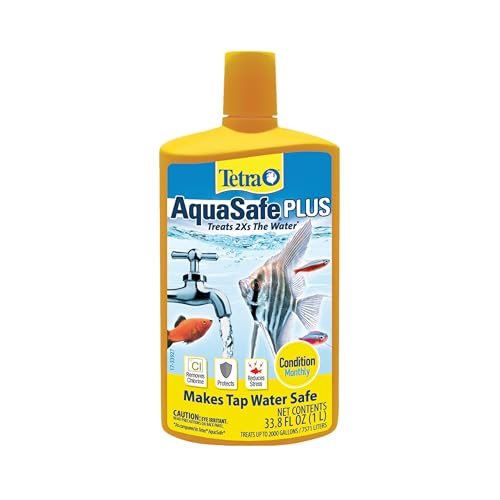
Best for mixed-use freshwater and marine setups that require rapid protection of fish and added slime coat. The product neutralizes chlorine, chloramines, and heavy metals, and it includes a slime-coat benefit. Choose this if you maintain both freshwater and saltwater or need a single product that supports a broader range of water conditions. Limitation: not all reef-safe protocols are covered; confirm suitability for invertebrates if applicable.
Buying Guide: Key Purchase Considerations
- Tank size and change frequency: Larger tanks and frequent water changes benefit from bigger bottle sizes to reduce reordering frequency.
- Water chemistry needs: If you only need chlorine and chloramine neutralization, standard dechlorinators work well. If your source water contains ammonia, nitrite, or heavy metals, an all-in-one or detoxifying formula may save steps.
- Compatibility: Check whether the product is suitable for freshwater only or also for saltwater and reef environments. Some formulas add electrolytes or slime coats that may influence invertebrates or corals differently.
- Ease of dosing: Pre-measured bottles and clear directions reduce user error, especially for beginners.
- Storage and shelf life: Store in a cool, dry place; avoid exposure to direct sunlight to maintain potency.
Frequently Asked Questions
- Do I need to dechlorinate tap water before every water change? Yes, to protect fish from chlorine or chloramines in municipal water supplies.
- Can I mix different dechlorinators? It’s generally best to limit to one dechlorinator per water change to avoid unexpected chemical interactions.
- Will these products affect beneficial bacteria? Most standard dechlorinators do not harm established beneficial bacteria when used as directed.
- How do I choose between all-in-one vs. single-issue products? If your water has multiple contaminants (chlorine, ammonia, heavy metals), an all-in-one formula can simplify maintenance.
- Is slime-coat enhancement important? Slime coats help protect stressed fish during acclimation and water changes; consider products that offer this feature if your fish are sensitive.
- Are these products safe for fry or sensitive species? Follow dosing instructions carefully; some products may have specific warnings for small fry or delicate species.