Answering the essential question for aquarists: freshwater clams can act as natural water filters and help maintain a clear, healthy tank. This guide highlights five practical options, showing who each clam is best for, and why they fit common setups. Ideal for beginners seeking automated cleaning, and for experienced tanks needing stable detritus control, these picks emphasize reliability and compatibility with typical community aquariums.
Summary table of selected products
| Product | Brand | Best For | Key Benefit |
|---|---|---|---|
| NEW 15 Baby Live Freshwater Clams | Live Florida Clams | Beginner tanks and small ponds | Pair of multiple shells; active filter feeders |
| 10 Baby Live Freshwater Clams | Generic | Small to medium tanks | Pack of 10; multiple clams for stronger filtration |
| Opal Asian Freshwater Clam 2″ – 4″ | Generic | Moderate to large aquariums | Efficient filter feeders; color variation |
| 10 MALAYSIAN TRUMPET SNAILS | Unknown | Algae control alongside clams | Not a clam; complementary cleanup |
| Generic 700 Live Freshwater Clams | Generic | Filters-heavy tanks | Live filter feeders; pond-friendly |
NEW 15 Baby Live Freshwater Clams: 15-Pack for Aquariums

Brand: Live Florida Clams
Features: Aquarium Filters, Live Invertebrates, Filter Feeders
Best for: Small to medium community tanks or beginners setting up a new aquarium. The 15-clam pack provides multiple filtration points, helping maintain water clarity as biological load increases. Choose this if you want immediate, broad filtration coverage without needing to source clams individually.
Why selected: A larger starter group can distribute filtration across the tank, reducing localized waste buildup and supporting stable water parameters in mixed species setups. The live invertebrate status aligns with typical aquarium ecosystems that include fish and plants.
Caution: Maintain appropriate acclimation to prevent stress from rapid water parameter changes; monitor for any clams showing distress and adjust feeding detritus exposure accordingly.
10 Baby Live Freshwater Clams: 10-Pack

Brand: Generic
Features: Aquarium Filters, Live Invertebrates, Filter Feeders
Best for: Mid-sized tanks that want a backup filtration boost without committing to a very large group. The 10-pack balances cost and filtration coverage for moderate bioloads.
Why selected: Multiple clams distribute filter feeding across the water column, helping with debris removal and maintaining clearer water in typical freshwater setups with several species of fish.
Caution: Ensure the tank has stable parameters and avoid overcrowding the filtration system with too many clams if bioload rises rapidly.
Opal Asian Freshwater Clam 2″ – 4″ Aquarium Inverts
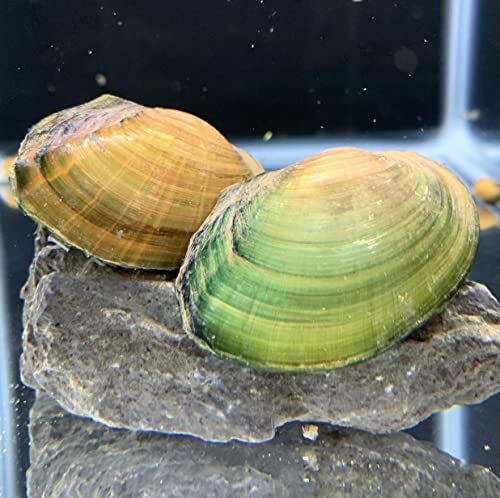
Brand: Generic
Features: GREAT CLEANERS, VERY PEACEFUL, AMAZING COLOR
Best for: Medium to larger tanks where filtration performance and visual variety matter. The Opal Asian clams act as hands-off cleaners that can handle detritus and uneaten foods in a broader water column.
Why selected: They provide efficient filtration and contribute color variation in the aquarium, appealing to hobbyists who value both function and aesthetics. Peaceful behavior makes them compatible with most community fish and shrimp species.
Caution: Color variation may occur; not all clams will display the same iridescent hues, so expectations should be set accordingly.
10 Malaysian Trumpet Snails: Algae Eaters
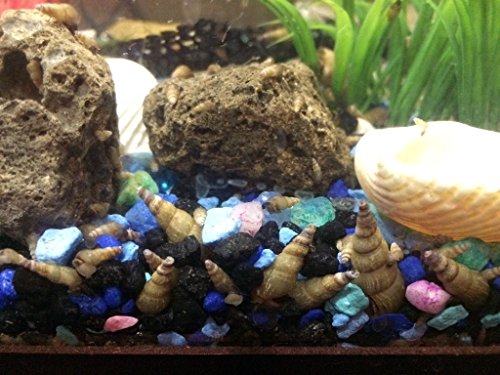
Brand: Unknown
Features: Algae control; hardy; livebearers
Best for: Tanks needing complementary cleanup and substrate turnover in addition to clams. Not a clam, but commonly used with clams in mixed cleanup crews.
Why selected: Algae-eating snails help reduce algae growth and provide a different cleanup mechanism alongside clams. They can be a practical addition for a balanced routine, especially if you want more than one method of detritus removal.
Caution: Snails reproduce under warmer conditions, which may require population management to avoid overpopulation in smaller tanks.
Generic 700 Live Freshwater Clams: Pond Stock

Brand: Generic
Features: Live Freshwater Clams filter feeders
Best for: Larger ponds or expansive aquariums where substantial filtration is needed. The extensive pack size suggests a strong emphasis on filtration capacity in bigger setups.
Why selected: For tanks with higher bioload or where you want robust filtration from the invertebrate population, these clams offer a scalable option to support water quality as the system grows.
Caution: Very young tanks or those with unstable parameters may require gradual acclimation to prevent stress on any newly added clams.
Buying Guide
What to consider when choosing freshwater clams
- Tank size and bioload: Larger tanks or ponds typically benefit from more clams for effective filtration, while small tanks may only need a few to avoid nutrient imbalances.
- Species compatibility: Most clams are peaceful, but ensure they don’t outcompete other invertebrates for food or cover. They should be kept with non-aggressive fish and appropriate plant life.
- Filtration role: Clams are filter feeders. They help clear water but do not replace mechanical or chemical filtration. Use them as a supplement to regular tank maintenance.
- Acclimation and water parameters: Introduce clams gradually to stabilize pH, temperature, and salinity (where applicable) and monitor for stress signs.
- Color and appearance: Some clams may display color or iridescence over time, adding aesthetic value to the tank in addition to filtration.
- Compatibility with other cleanup species: If using snails or other inverts, plan for complementary cleaning roles rather than competition for the same resources.
How many clams should you start with?
Begin with a conservative number based on tank volume. For tanks under 20 gallons, start with 2–4 clams and observe filtration performance. For larger tanks, a higher number such as 6–12 may be appropriate to distribute filtration load evenly.
Care and maintenance considerations
- Monitor ammonia, nitrite, and nitrate levels as clams alter the biological load of the tank.
- Ensure there is not an overabundance of detritus; clams rely on detritus but excessive waste can overwhelm filtration.
- Provide stable temperature and avoid drastic shifts that can stress invertebrates.
- Regularly inspect clams for shell integrity and signs of distress, adjusting water quality as needed.
FAQ
- Are freshwater clams good for beginners? Yes, when used as a supplemental filtration approach in appropriately sized, stable tanks.
- Will clams reproduce in an aquarium? Some species can reproduce, but reproduction rates vary; monitor population growth especially in warmer setups.
- Do clams require special food? They primarily filter feed on detritus and suspended particles; avoid overfeeding to minimize waste buildup.
- Can clams live with snails or fish? Most are peaceful and can coexist with many invertebrates and small, non-aggressive fish; always verify species compatibility.
- Do clams affect water hardness or pH? Clams influence water quality indirectly through filtration; they do not typically require major chemical adjustments but monitor overall water parameters.
- When should I replace clams? Replace if shells are cracked or if there is consistent poor health and no improvement in water clarity after adjustments.