Immediately find the right bag for transporting live fish with minimal stress and maximum visibility. This buying guide highlights five reliable options designed for aquarium setups, movers, and hobbyists. Each pick is chosen for a clear display, strong leak protection, and practical sizing. Best for hobbyists, transporters, and retailers who want dependable bags that prevent leaks and make viewing easy. The table below summarises key details to compare at a glance.
| Product | Size & Thickness | Best For | Why It Stands Out |
|---|---|---|---|
| Aquarium Fish Bags, Tutata | 3 Mil | Small to medium fish transport and display | Double bottom seal and crystal-clear display |
| Live Fish Bags, Vindafjord | 3 Mil | Leaky-free transport for various species | Double-sealed bottom; thick, durable material |
| Live Fish Bags, Harhana | 3 Mil | Round-bottom design for pinching avoidance | Round bottom prevents pinching; clear and sturdy |
| RESILIA Plastic, 20″ x 30″ | 2 Mil | Bulk shipping and large setups | Double bottom seal; metallocene resin for strength |
| Xsourcer Aquarium Fish Bags | PE material, 6″ x 12″ | Small-scale transport and acclimation | Leak-proof construction with clear visibility |
Overview: The five products above emphasize leak resistance, clear visibility, and practical sizing. They are suitable for transporting and displaying both freshwater and saltwater fish, with design features tailored to reduce stress during movement and handling. Consider bag thickness, bottom seal design, and bag dimensions relative to the fish you plan to move when comparing options.
Tutata Aquarium Fish Bags
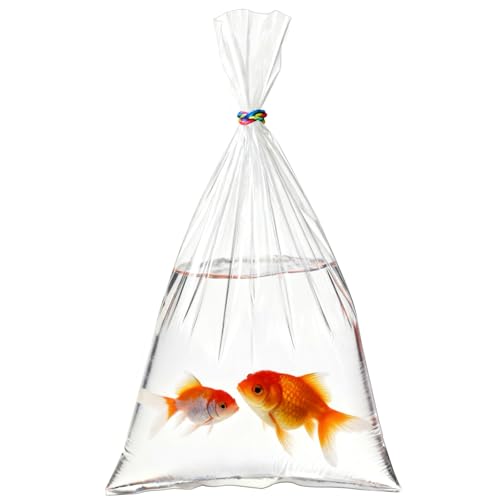
Features include a double seal at the bottom to prevent leakage, 3 Mil thick high-quality poly for strong transport, and crystal-clear material for easy viewing. Best for small to medium fish transit and display where visibility matters. The double bottom seal reduces the risk of spills during handling or movement. A limitation is the standard 3 Mil thickness, which may be less robust for larger, aggressive species or long-haul shipping.
Vindafjord Live Fish Bags

These bags offer a double-seal bottom and a thick 3 Mil plastic construction. They come in a 50-pack at 7.5 x 13 inches, designed to fit a wide range of small to medium fish. Best for moving multiple fish at once or stocking a temporary holding tank. Caution: while designed for leakage prevention, ensure proper sealing and avoid overfilling to maintain stability during transport.
Harhana Live Fish Bags

Round-bottom design helps prevent pinching when transporting fish, with a double-sealed bottom for leak-proof performance and 3 Mil thickness for strength. Best for preventing stress during transit and when acclimating new fish to a tank. Limitation: round-bottom bags may require careful handling to maintain upright stability during long transfers.
RESILIA Plastic Shipping Bags

20″ x 30″ bags in a 2 Mil thickness with a double bottom seal. Made from high-quality polyethylene with metallocene resin for tear and puncture resistance. Best for larger shipments or bulk handling where longer bags are advantageous. Caution: lower thickness compared to 3 Mil bags may reduce puncture resistance under heavier loads or prolonged freshwater exposure.
Xsourcer Clear Transportation Bags

6″ x 12″ clear bags designed for storing and transporting live fish with no-leakage seams and high visibility. Best for quick acclimation and small fish shipments. A potential limitation is the smaller size, which may not suit larger or multiple-fish transports in one bag.
Buying Guide
What bag thickness should I choose?
Thicker bags (3 Mil) generally offer greater puncture resistance and leak protection for moving multiple fish or larger specimens. Lighter bags (2 Mil) are suitable for smaller shipments or shorter moves where weight is less of a concern. Consider the species, water volume, and distance when choosing thickness.
Which bottom design is best for transport?
Double-bottom seals provide extra security against leaks, while some bags use round bottoms to reduce pinching. If transporting delicate fish or buoyant species, a double bottom is usually preferable for reliability during transit.
Is visibility important?
Crystal-clear plastic allows easy observation of fish during transport and acclimation, reducing stress for both fish and handler. Clear, unprinted bags are easier to view and inspect quickly.
What size should I buy?
Match bag dimensions to the fish size and the amount of water you plan to carry. For small to medium fish, 7.5 x 13 inches or similar sizes offer comfortable space. For larger fish, consider longer bags or bulk shipping options described in the guide.
Are these bags food-safe?
Some bags use food-grade or high-quality polyethylene, which is suitable for contact with aquatic life during transport. Confirm material specifications if you plan to use bags for longer display or temporary holding, particularly in contact with water.
Which bag is best for beginners?
Bags with a straightforward double-bottom seal and clear, durable plastic tend to be user-friendly for first-time movers. Look for sets that include multiple bags at a practical size, reducing the need to repack during acclimation.
How many bags should I stock?
Consider your typical usage: individual transport, holding multiple fish, or retail stocking. A mix of small, medium, and larger bags covers a broad range of needs without overstocking unused sizes.
What about handling and safety during transit?
Always seal bags securely, avoid overfilling, and use appropriate containers for transport. Double-sealed bottoms reduce risk of leakage, and clear bags help monitor fish status during movement.
FAQ
- Are aquarium fish bags leak-proof by design?
- Can these bags be reused?
- What size is best for a single small fish?
- Are these bags safe for saltwater fish?
- Do these bags affect fish stress during transport?
Most bags on the list use double-bottom seals and thick polyethylene to minimize leaks, but proper sealing and handling remain essential.
Many are designed for single-use transport, with durable materials that allow reuse in some cases, but long-term reuse may compromise integrity.
A small bag around 6″ x 12″ or 7.5″ x 13″ can accommodate a single small fish with enough water for safe acclimation.
Yes, several options are suitable for both freshwater and saltwater fish, depending on thickness and seal design.
Clear visibility and stable water conditions help reduce stress. Proper water volume and minimal handling also minimize stress during movement.