Choosing the right bio media is essential for stable nitrogen cycles and thriving aquariums. This guide highlights five top bio media options that support beneficial bacteria, improve water clarity, and fit a range of filter setups. Each product is evaluated for compatibility, filtration efficiency, and ease of use to help you pick the best fit for your tank.
| Product | Brand | Key Benefit | Best For |
|---|---|---|---|
| Fluval BioMax Biological Material Remover | Fluval | Premium-grade biological media for ammonia and nitrate control | Cycled Fluval Canisters and FX series |
| Sukh Ceramic Bio Balls | Sukh | Quartz-based media with open flow and stable parameters | Freshwater and saltwater tanks, canister and sump |
| MarineLand Bio-Filter Balls | MarineLand | Large surface area for beneficial bacteria; compatible with C-Series | Marineland C-Series canisters |
| Reefing Art Ceramic Bio Filter Media | Reefing Art | Very large surface area for biological filtration | Freshwater, saltwater, ponds |
| Fluval BIO-FX | Fluval | Inert ceramic material with deep pore structure | Most aquariums and filters needing robust bio filtration |
Fluval BioMax Biological Material Remover
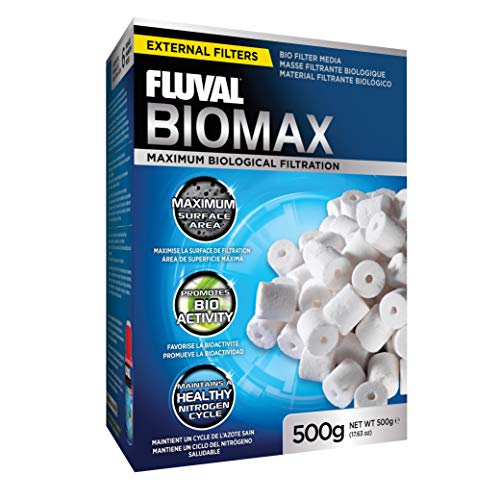
Fluval BioMax is a premium biological filter media designed to support a healthy nitrogen cycle. It is compatible with Fluval Filter Series 106, 206, 306, 406, FX5, FX6, and other Fluval models, providing a large, porous surface for beneficial bacteria. The media helps reduce ammonia and nitrate levels, supporting crystal-clear water and stable conditions for fish and plants. Its complex porous design encourages optimal contact time as water passes through, which enhances biological filtration without increasing maintenance.
Sukh Ceramic Bio Balls

Sukh Ceramic Bio Balls use natural quartz material to provide an inert, stable filtration medium. They improve water clarity by supporting mechanical filtration and offer a porous surface to promote oxygen exchange and beneficial bacterial growth. The open-flow design helps prevent stagnation and ensures consistent filtration performance. Compatible with both freshwater and saltwater setups, these bio balls are suitable for canister filters and sump configurations, helping to maintain stable parameters over time.
MarineLand Bio-Filter Balls

MarineLand Bio-Filter Balls provide a larger, multi-faceted surface area for beneficial Bio-Spira bacteria. They are designed for biological filtration and fit Marineland C-Series Canister Filters in Rite-Size S and T configurations. The balls help establish and maintain a robust biofiltration layer, supporting a clean and healthy aquatic environment. They are a practical choice for aquarists seeking straightforward biological media with proven compatibility in Marineland systems.
Reefing Art Ceramic Bio Filter Media
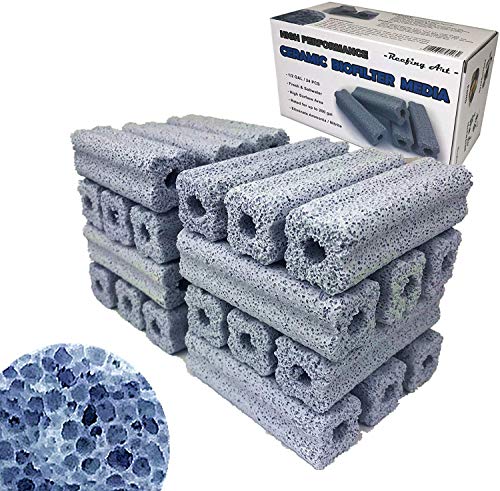
Reefing Art Ceramic Bio Filter Media offers a vast surface area and porous internal structure designed for high biological filtration efficiency. Sold as a single box containing 24 pieces, it is suitable for freshwater, ponds, and saltwater tanks. The medium is intended to remove ammonia and nitrite while supporting a dense bacterial colony. Its versatile design makes it compatible with sump and canister setups and can be a good choice for larger systems requiring substantial biofiltration capacity.
Fluval BIO-FX Biological Filter Media

Fluval BIO-FX is a biological filter media made from inert ceramic material that does not alter water chemistry. Its deep pore structure and interconnected micro-tunnels offer abundant surface area for biological activity. Linked cavities promote free water flow, discourage blockages, and prolong contact time for superior filtration. This media is suitable for a wide range of aquariums and filters and is particularly effective in maintaining strong biofiltration across different setups.
Buying Guide: Key Purchase Considerations
When selecting bio media, consider these factors to optimize filtration and tank health:
- Tank size and filtration type: Larger tanks often benefit from higher surface-area media and deeper pore structures to host more bacteria.
- Water chemistry stability: Some media are inert and won’t alter pH, hardness, or alkalinity, while others may interact slightly; choose accordingly.
- Media compatibility: Ensure the media fits your filter model (canister, sump, or hang-on) and doesn’t impede flow or create backpressure.
- Maintenance and cleaning: Look for media that are easy to rinse or rinse-free; some require pre-use rinsing to remove dust or debris.
- Longevity and replacement: Porous ceramic and bio-media typically last long but may require periodic cleaning to maintain flow; avoid over-cleaning which can kill beneficial bacteria.
- Combination strategies: A mix of media types (ceramic rings, bio balls, carbon) can address both biological and chemical filtration while keeping water clear.
- Target water quality: If you have ammonia or nitrite spikes, prioritize media with strong biological capabilities and compatible bacteria support.
- Observability: Choose options with clear sizing and fit information to minimize compatibility issues with your current setup.
Additional Perspectives: Depth and Practicality
Biological media performance depends on proper cycling and consistent maintenance. Media with larger pore structures tend to support more bacteria but must avoid clogging. Media with intrinsic mechanical filtration can help trap debris while biological media focus on bacterial colonies. For hobbyists, a layered approach—combining ceramic rings, bio-balls, and a small amount of activated carbon for clarity—often yields the most balanced results. When upgrading, assess your filter’s flow rate; higher flow can enhance oxygen availability, benefiting aerobic bacteria essential for ammonia processing.
Notes On Usage and Integration
Install new media according to your filter’s instructions, and if introducing media to an established tank, monitor ammonia and nitrite levels closely during the first weeks. Rinsing fresh media before use removes dust but should be done gently to avoid dislodging beneficial bacteria from established media in the tank. Regular checks of filtration flow help detect clogs early, ensuring continued efficiency and tank health.