For acrylic aquarium owners, choosing the right algae scraper matters. This guide highlights five top scrapers that work well on acrylic tanks, explaining who each is best for and why. The selections cover long-handled models for hard-to-reach areas, plastic-edged blades to prevent scratches, and magnetic options for convenient, outside-the-tank cleaning. Whether you maintain a nano tank or a larger acrylic display, these picks help keep glass-like clarity with minimal hassle. The table below summarizes who each product is best for and a quick reason to choose it.
| Product | Best For | |
|---|---|---|
| API ALGAE SCRAPER For Acrylic Aquariums | Users wanting a straightforward, long-reach scraper | 18-inch handle reduces wet hands; durable scrubbing pad; quick surface cleanup |
| FL!PPER Platinum 18″ Scraper | Tank owners needing adjustable length and blade versatility | 4 sizes available; non-scratch blade; uses reusable or replacement cards |
| Continuum Aquatics AquaBlade P (Long, 24″) | Marine and freshwater enthusiasts needing a premium, long reach | Solid fiberglass handle; acrylic-safe plastic blade; odor-free design |
| Aqueon Algae Scraper (Large) | Users preferring magnetic cleaning from outside the tank | Magnetic outside cleaning; easy retrieval; curved pad for curved surfaces |
| Continuum AquaBlade P Short | Small to medium tanks needing a compact, durable option | Virgin molded ABS; solid one-piece design; cyan blade minimizes scratches |
Below are five detailed product sections to help you compare features, strengths, and potential limitations. Each entry notes who it’s best for and why it was selected for acrylic tanks.
API Algae Scraper For Acrylic Aquariums

The API scraper is designed for acrylic tanks with an extra-long 18-inch handle to keep hands dry. It features a robust scrubbing pad and an extra-strong handle construction for stable, consistent cleaning. Best for hobbyists who want a simple tool that reduces water contact and improves reach. A potential limitation is that it relies on the included scrubbing pad, so replacement may be needed over time, which is common with basic scrapers.
FL!PPER Platinum 18″ Aquarium Scraper

The FL!PPER scraper offers multiple length options, with the 18″ model being a versatile middle ground for mid-size tanks. It ships with a non-scratch blade and includes a blade that won’t damage acrylic surfaces. It is best for buyers who want a flexible tool that can adapt to various tank sizes. A caution: ensure the platen and blades are maintained to prevent blade dullness that could reduce effectiveness on stubborn algae.
Continuum Aquatics AquaBlade P (Long, 24″)

The AquaBlade P is a premium scraper for both marine and freshwater setups. It features a solid fiberglass handle and a plastic blade designed to minimize scratches on acrylic surfaces. Best for aquarists who want a durable, long-reaching tool with an odor-free design. A limitation to note is that the tool emphasizes plastic blade safety; when cleaning very thick growth, users may need additional scrubbing time or a different blade type.
Aqueon Algae Scraper Large (Magnet)

Aqueon’s large glass/acrylic scraper uses a magnet for outside-to-inside cleaning, with a curved pad that accommodates both flat and curved surfaces. It is best for buyers who prefer minimal contact with tank water and quick maintenance. A potential caveat is that magnet strength can vary by model; ensure the magnetic pull is strong enough for your tank glass thickness and acrylic panel to avoid dropped tools during cleaning.
Continuum AquaBlade P Short (Acrylic Safe)
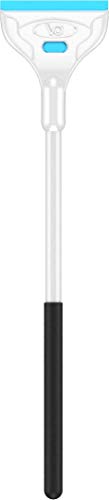
The short version of Continuum’s AquaBlade P provides disease-resistant, durable cleaning in a compact form. Made from virgin ABS with a cyan blade designed to be gentler on acrylic, it avoids odor buildup due to its all-plastic construction. Best for smaller tanks or tank owners who want a compact, easy-to-store scraper. A limitation is the shorter reach, which may require more effort for larger tanks.
Buying Guide: Key Considerations For Acrylic Aquarium Scrapers
What blade material is best for acrylic surfaces?
Acrylic-safe blades, typically softer plastics, reduce the risk of scratching. Look for blades explicitly labeled as acrylic-safe and consider blades that are replaceable or designed to be gentle on acrylic coatings.
How long should the handle be for your tank size?
Longer handles (15–24 inches) help keep hands dry and away from water, especially for deep or tall tanks. Shorter handles are fine for small tanks but may require closer reach or more effort.
Magnetic scrapers: should you rely on magnets?
Magnetic scrapers are convenient for exterior cleaning, but magnet strength matters. Ensure the outer magnet is strong enough for your tank glass thickness and that the inner pad maintains good contact with inside surfaces during cleaning.
Is a one-piece plastic scraper better than a metal frame?
One-piece plastic designs reduce the risk of rust or metal corrosion and can be easier to sanitize. They also tend to be lighter and less prone to harboring bacteria when properly cleaned and dried.
Should you choose a fixed blade or a replaceable-card blade?
Fixed blades are simple and affordable, but replaceable-card setups extend tool life and allow quick swaps if the blade dulls. Card-scraper systems can offer flexible angles and less surface pressure on acrylics.
What maintenance steps extend scraper life?
Rinse after use to remove algae, dry completely to prevent odor, and inspect blades or pads for wear. Store in a dry location away from direct sunlight to avoid plastic degradation.
How to choose between long reach and compact options?
Choose long-reach tools for large or tall tanks and to minimize water contact. Opt for compact scrapers for small tanks, desktops, or frequent on-the-go cleaning needs.
What about price and availability?
Prices vary by length, blade type, and material. Consider the total cost of replacement blades or pads when evaluating long-term value for acrylic tanks.
Summary of choosing tips
- Prioritize acrylic-safe blades and solid handles to avoid scratches and ensure durability.
- Match tool length to your tank size for efficient cleaning with minimal effort.
- Consider magnetic options for convenient cleaning, but verify magnet strength for your tank.
- Factor in whether you prefer replaceable blades or a fixed blade for maintenance costs.
Frequently asked questions
- Are scraper blades safe for acrylic tanks? Yes, if they are acrylic-safe and used gently to minimize scratches.
- Can I use any plastic card in a card-scraper system? Most cards work, but ensure the card is sturdy and non-abrasive.
- Do magnetic scrapers work well on acrylic edges? They do, but effectiveness depends on magnet strength and tank thickness.
- Will these scrapers leave scratches? If used as directed with acrylic-safe blades, scratches are unlikely.
- How often should I replace a scraper pad or blade? Replace when wear reduces cleaning efficiency or after visible damage.
- Which scraper is best for a nano tank? Short or mid-length plastic-blade models work well for compact spaces.