Direct answer: for a balanced algae-control strategy, consider a mix of live algae-eating snails, specialized algae-eating foods, and safe chemical aids. The best picks below cover snail-based cleanup, algae wafers, and safe algaecides, each suited to different aquarium sizes and types. Use these according to your tank inhabitants and water conditions. Snails are great for steady, low-maintenance control; wafers support feeding for algae-eating fish; and targeted treatments help when blooms appear. The quick-reference table lists the five selected products and their key roles.
| Product | ||
|---|---|---|
| Golden Mystery Snail | Live snail | Small-to-medium freshwater tanks needing natural algae removal and detritus cleanup |
| 9+ Live Ramshorn Snails | Live snail | Bioload-friendly algae control in planted tanks or ponds |
| API ALGAE EATER WAFERS | Algae-eating fish food wafers | Supplemental fueling for algae-eating fish and invertebrates |
| API ALGAEFIX Algae Control | Algae control chemical | Fast bloom suppression in freshwater tanks |
| MICROBE-LIFT Algaway 5.4 | Algae remover / algaecide | Clear water in freshwater and saltwater tanks with algae blooms |
Golden Mystery Snail – 1/2″-2″ – Algae Eater

The Golden Mystery Snail is a freshwater algae eater best suited for small to medium tanks. Its primary role is browsing surfaces for algae, and it tolerates a wide range of water conditions. The snail also helps by consuming decaying plant matter, which can indirectly reduce organic buildup that fuels algae growth. Best for: beginners seeking a low-maintenance, natural algae control. Better for planted tanks that can accommodate a slow, steady snail population. Caution: snails can reproduce in favorable conditions, potentially increasing bioload if not monitored.
9+ Live Ramshorn Snails Aquarium or Pond

Ramshorn snails are hardy, active scavengers that feed on algae and uneaten food. They are suitable for many freshwater setups and can thrive in planted tanks when population is kept in check. Best for: tanks needing consistent algae cleanup with a resilient cleanup crew. Better for: tanks with stable water chemistry and compatible tank mates. Caution: population control may be needed in heavily planted or overflow-prone systems, as snails can reproduce quickly under favorable conditions.
API ALGAE EATER WAFERS

Algae Eater Wafers are a nutrient-rich food designed for algae-eating fish and invertebrates. They provide a balanced diet with algae content and essential Omega-3 fatty acids for health and growth. Best for: tanks housing algae-eating species that require consistent feeding support. Better for: ensuring algae eaters in the tank receive a reliable food source during algae blooms. Caution: wafers should be portion-controlled to avoid overfeeding and water quality issues.
API ALGAEFIX Algae Control (Freshwater)
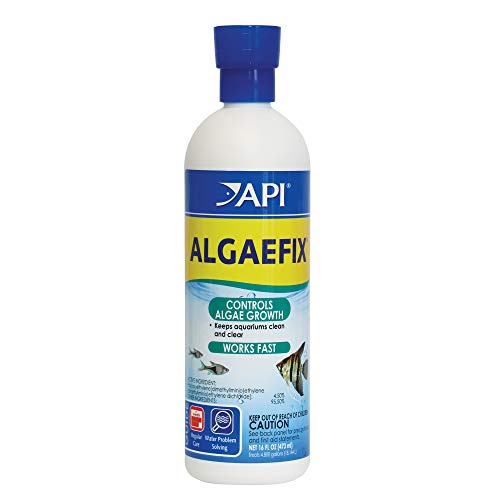
ALGAEFIX is a chemical algaecide designed to control algae growth in freshwater aquariums, helping to keep glass, ornaments, and plants clean. Best for: tanks experiencing persistent algae blooms where a targeted treatment is appropriate. Better for: tanks with routine maintenance and stable water parameters. Caution: use strictly as directed; not all species or tank setups may be compatible with chemical treatments, and overdosing can harm aquatic inhabitants.
MICROBE-LIFT Algaway 5.4 Algae Remover

Algaway 5.4 delivers fast-acting algae control suitable for freshwater and saltwater tanks. It targets green water, hair algae, and string algae to improve water clarity. Best for: tanks needing rapid, broad-spectrum algae suppression. Better for: tanks with fish and plants that can tolerate the product’s active ingredients. Caution: not safe for some invertebrates like snails or crustaceans in freshwater; verify compatibility with your tank residents before use.
Buying Guide: Key Purchase Considerations
- Tank size and inhabitants: Snails work well in moderate setups; large tanks may require more robust solutions or a combination of tools.
- Algae type and bloom frequency: Hair algae and green water may respond better to algaecides, while routine scraping and snail grazing tackle common surface algae.
- Maintenance vs. treatment: Use algae wafers as ongoing food support for dedicated herbivores; reserve chemical algaecides for bloom management under careful monitoring.
- Water chemistry and compatibility: Some products are not safe for certain invertebrates or plants; always check labels for compatibility with your tank species.
- Reproduction and bioload: Live snails can multiply; balance populations with tank capacity and filtration to prevent bioload issues.
- Monitoring and safety: After introducing any algaecide or new organism, monitor water parameters and fish behavior for signs of stress.
FAQ
- What is the easiest way to start algae control in a new aquarium?
Begin with natural methods like a small snail population and routine water changes, then supplement with targeted wafers or products if blooms persist.
- Are snails safe for planted tanks?
Yes, many snails are compatible with live plants, but population management is important to avoid excessive bioload.
- Can I mix algaecides with other treatments?
Check product labels and consult an expert if mixing; some combinations can harm fish or invertebrates.
- How do I know if algae is out of control?
Look for rapid growth on glass, substrate, and decor, plus cloudiness or color changes in the water; address promptly to prevent oxygen depletion.
- What is the best diet for algae-eating fish and invertebrates?
Provide a mix of specially formulated wafers or pellets and occasional fresh foods to support their health and algae consumption.