Activated charcoal, or activated carbon, is a core component of many aquarium filtration systems. It adsorbs dissolved impurities, odors, and discoloration to help maintain crystal-clear water. This guide helps you pick five effective options for different tank setups. It’s ideal for freshwater and saltwater hobbyists, reef keepers, and anyone seeking reliable odor control. The selected products are chosen for strong adsorption, handling of common contaminants, and compatibility with a range of filters. A quick buyer’s table follows to compare the top choices at a glance.
| Product | Brand | Why It Stands Out |
|---|---|---|
| Marineland Black Diamond Premium Activated Carbon | MarineLand | Effective odor and discoloration removal; heat-activated coal-based carbon |
| Premium Activated Carbon (3 lbs) | Aquatic Experts | Heavy cleaning process; designed for quick contaminant trapping |
| Fluval Carbon Filter Media | Fluval | Premium, low-ash carbon with high surface area; widely compatible |
| TradeGrade Premium Activated Carbon | Trade Grade | Bulk option for great value; targets toxins and discoloration |
| Sukh 310g Activated Charcoal Pellets | Sukh | Cylindrical pellets with broad applicability and multi-use potential |
Marineland Black Diamond Premium Activated Carbon

Best for odor and discoloration control in moderate-to-large tanks. The product uses heat-activated, bituminous coal-based carbon designed to adsorb impurities efficiently. It’s suited for aquariums where chemical filtration is a priority and where maintenance intervals are longer. This carbon is described as efficient and long-lasting, helping to keep water clear between filter cleanings. Consider this option if you want a straightforward carbon media with proven performance in various filter types.
Best for: hobbyists prioritizing strong odor and color removal in standard to large aquariums. Limitations: may require periodic replacement to maintain adsorption capacity; avoid in tanks with active medication dosing unless advised.
Premium Activated Carbon, Aquatic Experts
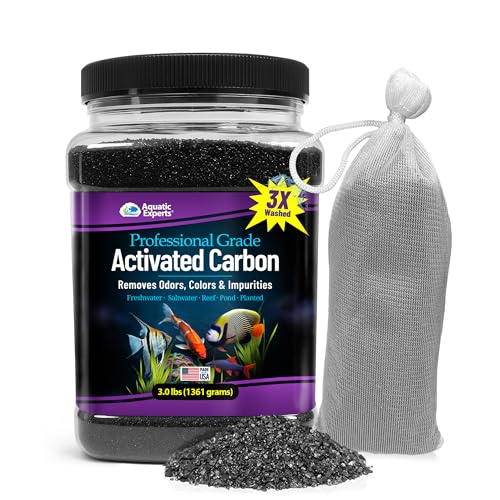
Best for rapid contaminant trapping in busy, high-load tanks. This carbon is described as heavily cleaned and designed to minimize ash inside pores, keeping pores clear for adsorption. It pairs well with fine mesh filter bags to maximize contact with water. It’s a strong choice for freshwater or saltwater setups where odor, discoloration, and dissolved compounds are frequent concerns. It’s especially suitable for hobbyists who want a reliable, fast-acting carbon media.
Best for: tanks with high bioload or frequent filtration needs. Limitation: requires compatible bags or baskets for best performance; avoid overloading the filter basket to prevent clogging.
MAQIHAN Activated Charcoal Pellets

Chosen for its coconut shell charcoal Pellets, MAQIHAN offers a compact, high-surface-area media. It’s compatible with standard filter media bags and pellets provide ample contact with water as they move through the canister. Best for hobbyists who prefer pellet forms that reduce dust and enable straightforward bag packaging. Choose this if you want a dense carbon source with low dust and easy bag usage.
Best for: users seeking pellet form with minimal dust and solid pore structure. Limitation: pellet form may require more careful placement to ensure even distribution in media bags.
Sukh Activated Charcoal Pellets

Best for multi-use environments, including fish tanks and smaller water features. Sukh pellets offer versatile application with a cylindrical shape and broad adsorption potential for pigments, odors, and various impurities. This option tends to perform well in a variety of tank sizes and is useful for hobbyists who want a flexible media that can be repurposed in different canister or hang-on filters.
Best for: flexible setups and multi-use environments. Limitation: pellet density and size can vary with lots of bagging, so ensure a proper bag fit to maximize contact.
Fluval Carbon Filter Media
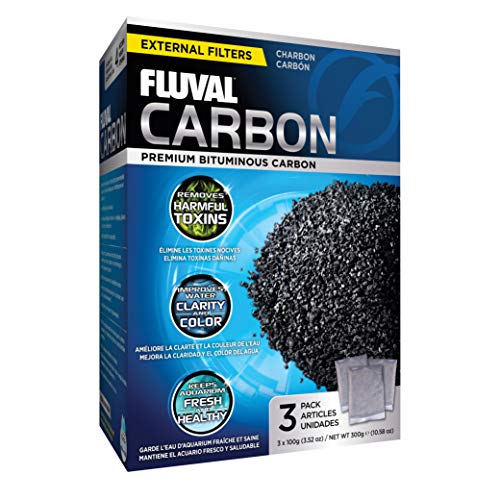
Best for broad compatibility and high-clarity results. Fluval’s carbon is a premium, low-ash option with a large surface area designed to absorb impurities efficiently. It’s ideal for tanks where both clarity and odor control are required, and it’s compatible with common Fluval models and many third-party filters. Use with care when medications are added to the tank, as carbon can remove those substances as well.
Best for: users of Fluval or compatible canister/hang-on filters seeking strong clarity. Limitation: avoid using carbon during medication dosing unless the product is expressly recommended for that scenario.
TradeGrade Premium Activated Carbon

Best value option for steady filtration in larger setups. TradeGrade’s bulk bucket provides a generous amount of carbon designed to purge toxins, chemicals, and discolored water. It helps achieve crystal-clear water and can be a practical choice for aquariums with higher maintenance needs or those that require frequent media changes. Consider this if you want a bulk supply and are managing multiple tanks or larger systems.
Best for: budget-conscious hobbyists managing larger volumes. Limitation: bulk bags may require more storage space and careful handling to prevent dust exposure.
Buying Guide
What makes activated carbon effective in aquariums?
Activated carbon adsorbs dissolved compounds, odors, and tannins from water, improving clarity and smell. Its effectiveness depends on pore structure, surface area, and cleanliness after activation. High-quality carbon typically has large surface areas and low ash content to maximize adsorption capacity.
Which type should I choose—pellets, powder, or block?
Pellets and powders offer easy handling and fast adsorption in media bags or pads. Blocks and granules can provide longer contact times in larger canisters. For most hobbyists, pellets or granules in appropriately sized bags deliver reliable performance with flexible filter compatibility.
How often should carbon be replaced?
Replacement frequency depends on tank load, bioload, and filtration flow. In heavily stocked tanks or those with strong odors, carbon may need replacement every 2–4 weeks. In low-load setups, extend to 4–8 weeks. Always follow the product’s guidance and inspect for reduced media effectiveness over time.
Can activated carbon remove medications?
Yes, activated carbon can adsorb medicated substances. It’s common to remove carbon during medication administration or to replace carbon after completing treatment to avoid removing beneficial substances from the water unexpectedly.
Is carbon compatible with all filter types?
Most carbon media work with common canister, hang-on, and internal filters. Always verify media bag compatibility and space within the filter media basket to ensure proper fit and flow.
Environmental and safety notes
Handle carbon media with care to avoid inhalation of dust. Use proper ventilation during changes and store bulk carbon in sealed containers to prevent moisture absorption and clumping.
FAQ
- Q: Is activated carbon safe for saltwater tanks? A: Yes, when used as directed, it can help remove impurities and odors in many saltwater setups. Monitor any potential impact on trace elements.
- Q: Should I pre-rinse carbon before adding it to my filter? A: Light rinsing may reduce dust, but many manufacturers already pre-clean carbon. Check product instructions.
- Q: Can I overdo activated carbon? A: Excess carbon or too-frequent changes can strip beneficial compounds from water. Use as needed based on tank conditions.
- Q: How do I know if the carbon is exhausted? A: Water clarity and odor improvement will diminish as adsorption capacity declines. Replace accordingly.
- Q: Can I reuse carbon after soaking? A: Rejuvenation is not reliable; most carbon is designed for single-use in aquariums.
- Q: Do all carbon products remove chlorine or chloramines? A: In most cases, activated carbon removes certain contaminants, but it should not replace a proper water conditioning step for chlorine or chloramines unless labeled for that purpose.