Answer: For creating a vibrant, whale-tail-friendly aquarium, start with resilient live plants that thrive in low to moderate light and require minimal maintenance. This guide features five suitable options, explaining who they’re best for, why they’re chosen, and practical caveats. Ideal buyers include beginners seeking easy care, planted-tank enthusiasts desiring natural contrast, and hobbyists wanting steady, low-maintenance greenery that complements whale-tail motifs.
Summary of chosen products:
| Product | Best For | Key Benefit |
|---|---|---|
| Amazon Sword – Echinodorus Bleheri | Medium to large tanks | Hardy, light-tolerant foreground to mid-ground plant |
| Live Aquarium Plants Bundle – Freshwater Mix | Beginners, low-maintenance setups | Mixed, reliable varieties for easy care |
| Hornwort (Marcus Fish Tanks) | Low light, versatile placement | Fast growth, forgiving care |
| Hornwort Bunch – Cantons Aquatics | Background filler | Low-light, CO2-free growth |
| Water Spangle – Salvinia Minima | Floating accent | Low light, adds surface interest |
Amazon Sword — Echinodorus Bleheri

Reference: Echinodorus bleheri from South America is undemanding and beautiful, and grows to 20-50 cm tall. A nutritious bottom supports growth, but pruning is needed to prevent shading of shorter plants. It tolerates poor illumination and is hardy for both beginners and experienced hobbyists with large tanks. It has also been sold as “Paniculatus.”
Best for: Medium to large planted tanks where a tall, elegant center or mid-ground plant is desired. Choose this if you want a robust, versatile plant that fills space with vertical height.
Caution: Regular pruning is required to maintain light access for foreground plants; otherwise, the canopy can overshadow lower vegetation.
Live Aquarium Plants Bundle – 6 Freshwater Plants

Reference: A mix of hardy freshwater plants selected for reliability and ease of care. Designed for low-light setups and does not require CO2 systems. The pack typically includes easy-care species such as Anubias, Java Fern, and Cryptocoryne, providing a natural look with varied leaf shapes.
Best for: Beginners or busy hobbyists who want a simple, reliable start with a mixed-species display that still looks lush in a whale-tail themed tank.
Caution: The exact species mix may vary; some plants tolerate lighting better than others, so expect some adjustments to balance light exposure across the tank.
Hornwort – Marcus Fish Tanks

Reference: Hornwort comes as a 1 bundle with multiple stems, typically 5-10 inches tall. It’s tolerant of a range of light levels and grows quickly, helping to diffuse nutrients and provide cover for small inhabitants.
Best for: Tanks needing fast, forgiving greenery that can be placed in the mid to background or floating positions to soften hard edges of decor and complement whale-tail displays.
Caution: Extreme weather can affect live plants; avoid ordering when winter temperatures threaten 30°F or lower during the day in your area.
Hornwort Bunch – Cantons Aquatics
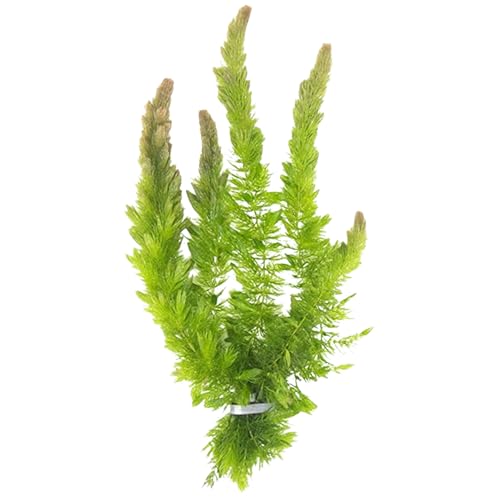
Reference: One Hornwort bunch (3-5 stems) grown in a Texas facility; beginner-friendly and thrives in low light with no CO2 injection. It’s versatile for background positioning in planted tanks and fits well with community, shrimp, and breeding setups.
Best for: Aquarists seeking a simple, low-maintenance background plant that can fill space and improve tank depth without heavy signaling for light or nutrients.
Caution: Growth rate can vary with light and temperature; provide stable conditions to maintain consistent appearance and growth.
Wily Fox Aquarium Plant Seeds – Mixed Varieties

Reference: 8,000+ live mixed seeds across 4 varieties, easy-to-grow for creating lush greenery in freshwater tanks. Seeds are non-GMO with high germination rates, suitable for substrate planting or carpeting in aquascapes.
Best for: Hobbyists who want to establish a carpet of greenery or introduce textured layers beneath taller foreground plants, adding dynamic scenery to whale-tail setups.
Caution: Seed germination rates depend on planting technique and conditions; follow seed care guidance for best results.
Java Fern And Anubias Bundle
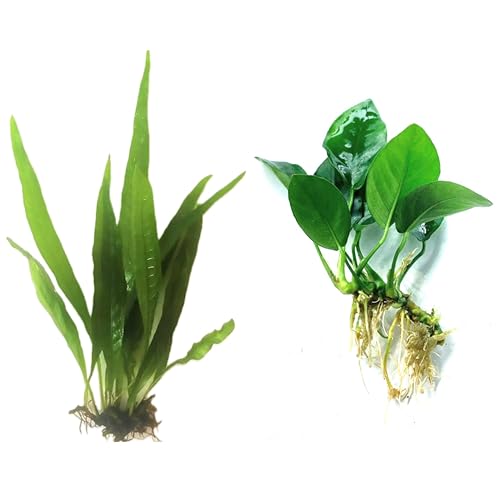
Reference: Bundle includes Anubias barteri and Java fern with varying sizes; suited for low to moderate light and minimal maintenance. Both are classic, hardy foreground-friendly options for aquascapes with whale-tail motifs.
Best for: Aquarists seeking durable, slow-growing plants that tolerate lower light and provide broad leaves for visual contrast against taller whale-tail elements.
Caution: Size varies because these are live plants; ensure compatible substrate and mounting method to prevent decay.
Water Spangle (Salvinia Minima)

Reference: Water Spangle is a floating plant with 12 plants and 60+ leaves, tolerating low to medium light and freshwater environments. It can cover tank surface and reduce light reaching submerged plants.
Best for: Tanks that want surface coverage for shade and visual balance with floating texture, particularly in whale-tail displays where surface dynamics matter.
Caution: Avoid ordering if surface temperature is expected to exceed 85°F in the near term, as extreme heat can affect plant health and tank balance.
Buying Guide
What should you look for in whale-tail aquarium plants?
Consider tank size, light availability, and whether you prefer foreground, mid-ground, or background plants. Choose hardy species for beginners and variable-tamper environments. For whale-tail aesthetics, prioritize plants with broad leaves or vertical growth to contrast with tail shapes.
Light and maintenance
Most of the plants listed tolerate low to moderate light. For beginners, avoid relying on CO2 systems unless you plan a fully planted tank. Regular pruning helps keep a balanced layout and prevents shading of short, nearby greenery.
Plant placement guidance
- Use Amazon Sword or Java Fern/Anubias bundles for mid-ground to background structure.
- Place hornworts and mosses toward back or floating areas to soften hard edges.
- Floating plants like Water Spangle add surface texture and shade, which can regulate algae growth.
Water conditions and compatibility
Most options prefer freshwater, steady temperatures, and stable pH. Extreme weather can impact live plants; avoid purchasing when temperatures pose a risk to survival.
Care tips for a whale-tail themed tank
- Prune tall sword plants to maintain height balance with whale-tail decor.
- Rotate plant accents seasonally to refresh the scene without replanting.
- Pair low-light options to maintain a cohesive look and reduce maintenance needs.
FAQ
- What is the best plant for a beginner whale-tail tank?
<- Answer: The Live Aquarium Plants Bundle offers a reliable mix designed for low-light setups and easy care, making it ideal for beginners. - Can hornwort grow in low-light tanks?
<- Answer: Yes, hornwort varieties are generally forgiving and adapt well to low to medium light, suitable for background or mid-ground positions. - Do I need CO2 for these plants?
<- Answer: Most listed options do not require CO2 injections; they thrive in standard freshwater setups, especially in low-light environments. - Which plant helps prevent algae by shading the tank?
<- Answer: Floating plants like Water Spangle can shade the water surface, reducing light available to algae under certain conditions. - How should I prune Amazon Sword plants?
<- Answer: Regularly trim tall growth to maintain space for shorter foreground plants and to keep the whale-tail centerpiece visible. - Are these plants safe for fish and shrimp?
<- Answer: Yes, all listed live plants are widely used in community, shrimp, and planted tanks, providing habitat and enrichment.