Maintaining clear, healthy water in aquariums requires reliable gravel cleaners and water changers. This guide reviews top-rated water vacuums and gravel cleaners to help American hobbyists choose devices that deliver efficient debris removal, gentle substrate cleaning, and dependable water changes. Below, you’ll find five standout options with key features to compare. A quick summary table is included to help you scan essentials at a glance.
| Product | Brand | Key Benefit |
|---|---|---|
| Tetra Water Cleaner Gravel Siphon for Aquariums | Tetra | Simple gravel siphon with compatibility up to 55 gallons |
| Suness Electric Aquarium Vacuum Gravel Cleaner | Suness | Adjustable power, timer, and 8-in-1 multifunctional design |
| VIPASKA Electric Aquarium Gravel Cleaner | Vipask | 6-in-1 multifunction with strong suction and shallow-water operation |
| Laifoo 5ft Aquarium Siphon Vacuum Cleaner | Laifoo | Long hose with durable gravel tube and det. filter screen |
| QZQ Aquarium Gravel Cleaner (2025 Edition) | QZQ | Mufti-functional, no electricity required, safety design |
Tetra Water Cleaner Gravel Siphon for Aquariums
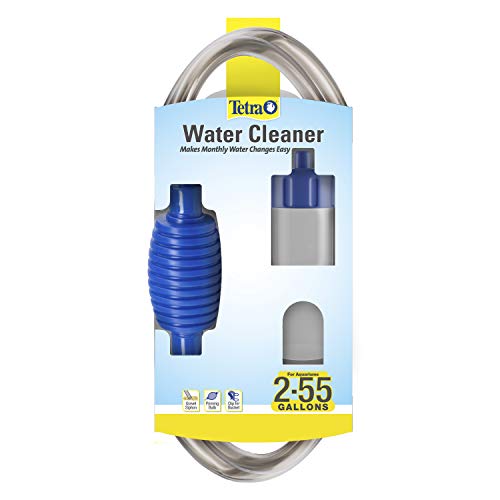
The Tetra Water Cleaner Gravel Siphon is designed for straightforward substrate maintenance in freshwater aquariums. Its basic siphon action makes routine water changes practical, especially for setups up to 55 gallons. With a 30-minute routine, users can replace about 30% of tank water each month, helping maintain stable parameters without heavy lifting or bucket endurance. This model emphasizes simplicity and reliability, making it a solid pick for beginners and busy hobbyists who want an uncomplicated cleaning process.
Key considerations include ease of assembly, compatibility with mid-sized tanks, and predictable performance during water changes. While not featuring advanced electronic controls, the Tetra siphon excels in quiet operation and dependable suction that reaches debris throughout the gravel bed. For those prioritizing an affordable, no-fuss tool that covers common maintenance tasks, this option delivers steady results with minimal setup.
Suness Electric Aquarium Vacuum Gravel Cleaner

Suness presents an electric gravel cleaner with a 24W motor and multiple features designed for more efficient large- to medium-sized tanks. It supports 10/30/60 minute timing, enabling automatic shutoff after completing a cycle. The device offers adjustable power levels (L, M, S) to tailor suction to fish size and tank dimensions. A three-stage filtration system—sponge, biofiltration balls, and activated carbon—helps filter impurities and return cleaner water. This model is marketed as an 8-in-1 tool capable of removing dirt, performing water changes, cleaning gravel, and supporting water circulation. Its modular setup aims to streamline maintenance by reducing the need for separate tools.
When evaluating this cleaner, potential buyers should weigh power needs against tank inhabitants and décor. Higher suction accelerates debris removal but may disturb delicate fish, while the built-in filtration helps protect water quality. The included accessories offer convenience for multi-functional tasks, making it a compelling option for those seeking a single device that covers several aquarium maintenance duties.
VIPASKA Electric Aquarium Gravel Cleaner

VIPASKA’s 6-in-1 electric gravel cleaner emphasizes strong suction, multiple cleaning modes, and shallow-water operation. It offers three suction modes to tackle stubborn debris and waste without disturbing inhabitants. A highlight is the ability to operate effectively in nano or shallow tanks—suction can begin at 1 cm depth, which is beneficial for small betta bowls or tiny shrimp setups. The device is designed for one-handed use, reducing spills and making water changes easier to manage during routine maintenance. Its integrated design aims to consolidate cleaning tasks into a single tool, saving time and space behind the tank.
Potential buyers should consider tank size and species, as well as how the cleaner’s depth capability aligns with their setup. The ergonomic grip and reduced risk of spills can be appealing in tight spaces or for hobbyists who prefer quick, repeatable maintenance sessions. Compatibility with different substrates and ease of cleaning the filter media are additional factors to weigh.
Laifoo 5ft Aquarium Siphon Vacuum Cleaner
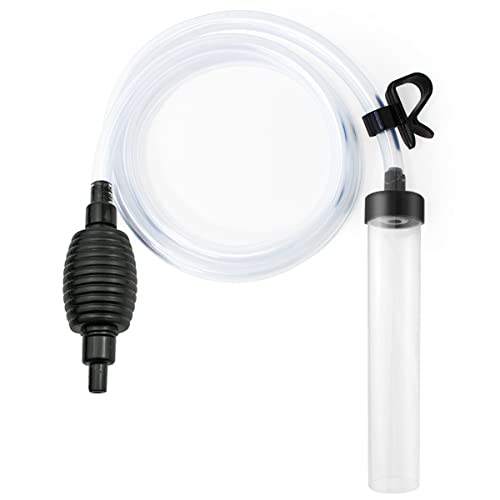
Laifoo’s siphon vacuum focuses on convenience for larger installations, featuring a five-foot hose for flexible reach and reach-through cleaning. The product emphasizes ease of control when siphoning waste and turbid water, with a gravel tube designed to prevent disturbance to fish or décor. A detachable filter screen inside the gravel tube helps manage debris without clogging the system, contributing to smoother operation during water changes. The long hose length provides convenience for mid-to-large tanks or for those who prefer to distance the filter from the tank during cleaning sessions.
Prospective buyers should consider the balance between hose length, ease of use, and the presence of a filter screen to reduce clogs. Users who value straightforward siphoning with reliable obstruction protection may find this a practical option. Compatibility with various gravel textures and tank shapes can influence performance, so reviewing substrate types in your setup is advisable.
QZQ Aquarium Gravel Cleaner (2025 Edition)
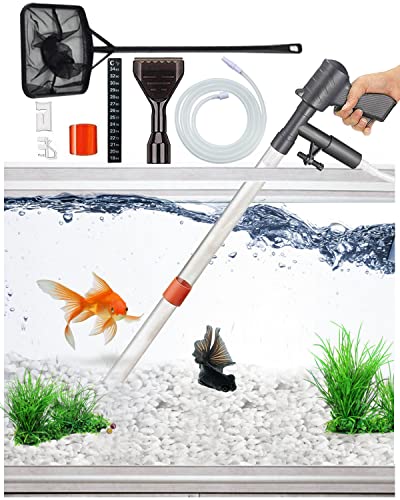
QZQ’s 2025 edition is described as a multi-functional cleaner that combines gravel vacuuming, sand washing, algae scraping, and water changing in one tool. A key feature is a manual press design that requires no electricity, relying on a siphon to initiate flow. The design includes a sturdy, pressure-resistant air bag and a filter basket with a mesh screen to prevent gravel and fish from being drawn into the siphon. The unit is designed for simple setup and operation, with the goal of delivering quick, quiet water changes while keeping fish disruption to a minimum. It is positioned as a versatile option for small to medium tanks.
Considerations for this model include its manual operation and lack of electrical components, which can appeal to users seeking a low-energy solution. The built-in safety features and filter basket help minimize clogs and accidental siphon outages. Users should assess their cleaning routine to determine if a multi-tool approach aligns with their preferences for substrate care and water maintenance.
Buying Guide: Purchase Considerations For Aquarium Water Vacuums
Size and tank compatibility: Match the device’s suction power and hose length to your aquarium size and substrate. Larger tanks may require stronger suction or longer hoses, while nano tanks benefit from shallow-water operation.
Suction control and safety: Adjustable power, multiple modes, and safety features help prevent disturbing fish or crushing delicate fauna. Manual siphons reduce electric components for quiet operation, but electric models offer automation and consistency.
Filtration and water return: A good gravel cleaner may include sponge filters, biofiltration media, or carbon filtration to improve water clarity during and after cleaning. Consider how well the device returns water to avoid unsettling the tank’s inhabitants.
Ease of use and maintenance: Look for ergonomic grips, minimal spills, easy cleaning of filter media, and tool-free disassembly. Reusability of filter media and readily available replacement parts affect long-term value.
Versatility: 8-in-1 or 6-in-1 units can perform multiple tasks such as gravel cleaning, sand washing, water changing, algae scraping, and circulation. Weigh whether you want a single multi-tool or multiple specialized tools.
Noise and disruption: Quieter models minimize stress on fish. Manual systems are silent, while electric units can generate some noise depending on motor design and water flow.
Budget and maintenance costs: While prices vary, consider ongoing costs like filter media replacements and potential wear on hoses and nozzles. A versatile tool with durable parts often delivers better long-term value.
In sum, choose a water vacuum that aligns with your tank size, substrate type, cleaning frequency, and comfort level with either manual siphoning or automated electric operation. A good model will balance efficient debris removal with safe, gentle interaction with your aquatic life.