Whether you maintain a freshwater or nano tank, a reliable water vacuum is essential for regular cleaning and water changes. This guide highlights five practical aquarium gravel cleaners that suit different setups and skill levels. The listed products are chosen for ease of use, effective debris removal, and compatibility with common tank sizes. This overview helps both beginners and seasoned hobbyists decide which tool fits their maintenance routine, water-change frequency, and tank inhabitants. Use the table below to compare core strengths at a glance.
| Product | Best For | Notes |
|---|---|---|
| Tetra Water Cleaner Gravel Siphon | Small to Medium Tanks (up to 55 gallons) | Simple, manual siphon for routine 30% water changes. |
| Laifoo 5ft Siphon Vacuum Cleaner | Flexible setups, long hoses | Durable hose, anti-kink design, gentle on fish. |
| QZQ Aquarium Gravel Cleaner (2026) | Multi-function cleaning | All-in-one kit with safety design and filter. |
| UPETTOOLS Aquarium Gravel Cleaner | Versatile freshwater/saltwater tanks | 6-in-1 functions, strong 28W pump. |
| SEAOURA Aquarium Siphon Pump | Small nano tanks | Manual, noise-free, 3-in-1 cleaning. |
Tetra Water Cleaner Gravel Siphon for Aquariums
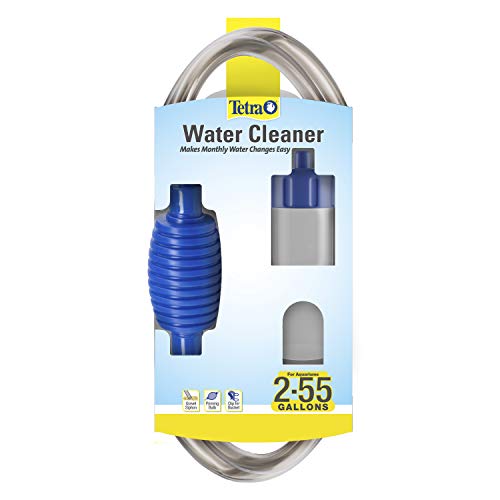
The Tetra Gravel Siphon is designed for easy cleaning of freshwater aquariums. Best for hobbyists who want a straightforward tool for monthly water changes in tanks up to 55 gallons. It supports efficient removal of debris without complicated setup. The 30-minute change cycle helps maintain water quality with minimal disruption to fish.
Who it’s best for: beginners seeking a simple, reliable siphon; small to medium tanks where quick, frequent water changes are routine. Limitation: operation relies on manual suction, which may require more physical effort for larger tanks or heavily stocked setups.
Laifoo 5ft-S Siphon Vacuum Cleaner

The Laifoo siphon features a 5-foot hose and a sinkable gravel tube with a detachable filter screen. It is designed to siphon out impurities and turbid water with minimal disturbance to fish or decor. The clear, elastic hose reduces kinking and helps monitor flow during cleaning. Best for tanks that require flexible reach and a gentle touch on substrate.
Who it’s best for: hobbyists needing a longer reach and a soft, quiet cleaning approach. Limitation: manual process may be slower for large aquariums or tanks with heavy waste buildup.
QZQ Aquarium Gravel Cleaner [2026 Edition]
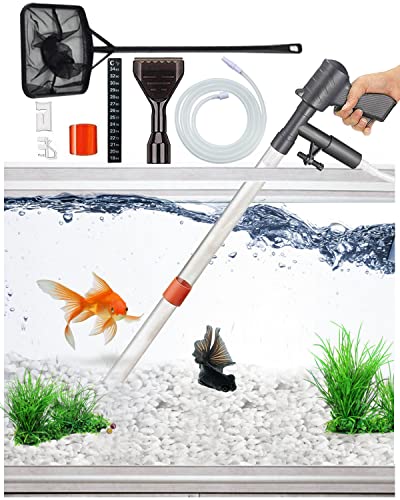
The QZQ kit is a multi-functional cleaner that combines gravel cleaning, water changing, algae scraping, and debris removal. It uses a siphon design with a safety-forward manual press, a filter net, and a durable air bag. It is built to prevent small fish and gravel from being sucked out and to reduce clogs. Best for users who want an all-in-one solution without electricity.
Who it’s best for: enthusiasts who prefer a compact, versatile tool that covers multiple cleaning tasks. Limitation: assembly and operation instructions can be more involved due to its multifunction design.
UPETTOOLS Aquarium Gravel Cleaner

UPETTOOLS offers a 6-in-1 model that handles water changing, sand washing, debris removal, filtration, water showering, and flow control. It supports both freshwater and saltwater systems and is designed for tanks of varying depths. The combination of a high-flow, 1700 L/H pump and adjustable flow makes it a strong all-around choice for frequent maintenance.
Who it’s best for: aquarists with diverse tank setups who want a single tool for multiple maintenance tasks. Limitation: more components mean a slightly steeper learning curve for new users.
SEAOURA Aquarium Siphon Pump

The SEAOURA siphon pump focuses on a 3-in-1 approach: gravel washing, stain scraping, and manure suction. It includes a filter basket to shield fish and small gravel, plus a manual press design that operates without electricity. Best for compact tanks where quiet operation and quick water changes are valued.
Who it’s best for: nano-tank keepers who prefer a simple, low-noise cleaning tool. Limitation: manual action may be slower for larger tanks or heavy debris loads.
Laifoo 5ft Aquarium Siphon Vacuum Cleaner (Second Listing)
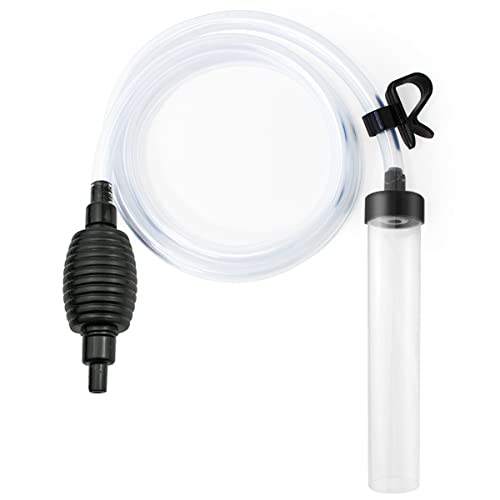
This listing reiterates Laifoo’s 5-foot hose approach with a durable, anti-kink design and a detachable filter screen inside a sinkable gravel tube. It reinforces best-use cases for flexible reach and safe gravel agitation in small to medium tanks.
Who it’s best for: users who want reliable, straightforward siphoning with a long hose. Limitation: identical to other Laifoo models, so consider the feature set that best matches your tank size.
Buying Guide
- Tank size and type: Choose a cleaner with a hose length and suction strength appropriate for your tank volume and whether you keep freshwater, brackish, or saltwater species.
- Manual vs. electric: Manual siphons are simple and quiet but require more effort; electric models offer higher suction and multi-function options but include moving parts to maintain.
- Filtration and debris handling: Look for built-in filters or detachable screens to prevent fish or substrate loss. Consider models with filter baskets or easy flow control.
- Maintenance tasks covered: If you need water changes, gravel washing, and algae scraping in one tool, multi-function kits can save time and space.
- Ease of use: Prioritize intuitive assembly, clear instructions, and durable materials (plastic that resists cracking and kinking) for long-term use.
- Noise and disturbance: For sensitive tanks, choose manual or low-noise designs to minimize stress on fish and inhabitants.
FAQ
- What size tank works best with a gravel cleaner? – Gravel cleaners are commonly used in tanks from 5 gallons up to 55 gallons; larger tanks may require longer hoses or more powerful suction.
- Is a siphon safe for fish? – Yes, when used correctly. Avoid suction directly at fish or use a protective filter basket and gentle agitation to prevent trapping or stressing fish.
- How often should I change water? – Many hobbyists perform partial changes (around 25-30%) monthly, though the frequency depends on stock, feeding, and filtration.
- Do I need electricity for these cleaners? – Some models are manual siphons; others are electric. Electric models offer convenience but require more care to avoid over-suction.
- Can I use these tools for saltwater tanks? – Several models are designed for both freshwater and saltwater; verify compatibility in the product description before use.
- Will these cleaners disturb beneficial bacteria? – Regular, moderate water changes minimize disruption while maintaining water quality; avoid aggressive gravel agitation in heavily established tanks.