Finding the right water softener for your aquarium helps protect fish and plants by reducing hardness and stabilizing water chemistry. This guide highlights five strong options, ranging from resin-based softeners to all-in-one conditioners and natural media. The best choice depends on your tank size, water source, and long-term maintenance goals. Below, you’ll see who each product is best for, why it was selected, and practical considerations to help you decide.
Product Snapshot
| Product | Best For | Why It Stands Out |
|---|---|---|
| API Water Softener Pillow | Small to medium freshwater tanks | Directly reduces general hardness by lowering Ca and Mg; simple plug-and-play filtration pillow. |
| Cunyuer Aquarium Water Softener Resin | Tank setups needing ion-exchange softening | Ion-exchange resin lowers hardness to under 50 mg/L; reusable and versatile for freshwater and saltwater. |
| EcoBio-Block Natural Volcanic Rock | Low-maintenance setups | Long-lasting media that stabilizes water chemistry and reduces weekly dosing needs. |
| API Tap Water Conditioner | New tanks and water changes | Neutralizes chlorine/chloramines; protects fish from tap water chemicals. |
| Seachem Prime Fresh & Saltwater Conditioner | Any new or established tank needing detoxification | Detoxifies ammonia, nitrite, and metals; supports biological filtration during water changes. |
API Water Softener Pillow Aquarium Canister Filter Filtration Pouch
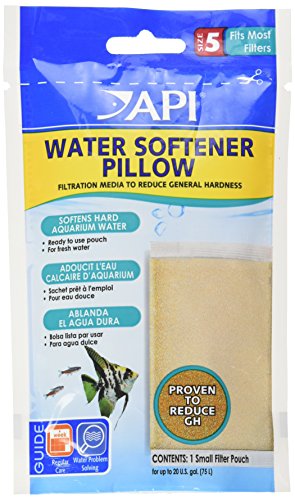
The API Water Softener Pillow is designed to soften hard water by lowering calcium and magnesium levels. It is best for small to medium freshwater tanks where hardness is a primary concern. The pillow form makes replacement straightforward and minimizes disruption during filter maintenance. A potential limitation is that effectiveness depends on water flow and tank size, so oversized tanks may require additional softening media or multiple pillows.
API Tap Water Conditioner Aquarium Water Conditioner

This conditioner is a practical choice when setting up a new aquarium or performing water changes. It neutralizes chlorine and chloramines and helps safeguard fish from harmful tap-water chemicals. It’s especially useful for hobbyists who need a quick, reliable method to make tap water safer. It does not directly alter general hardness, so use it in combination with a hardness-management method if your goal is softer water.
Seachem Prime Fresh and Saltwater Conditioner

Seachem Prime is a comprehensive conditioner that protects both freshwater and saltwater aquariums. It removes chlorine and chloramine and detoxifies ammonia, nitrite, and metals for 48 hours, supporting the biofilter during periods of stress. Prime is best for tanks that frequently receive water changes or—more broadly—any setup seeking robust chemical protection during water treatment. A caveat is that the product acts as a detoxifier rather than a permanent fix for high toxin levels; address underlying filtration and loading as needed.
EcoBio-Block Natural Volcanic Rock

EcoBio-Block is more than a decorative rock. It is a mineral-rich volcanic-media designed to absorb pollutants and stabilize water chemistry, reducing the need for frequent dosing. It’s suitable for a range of freshwater tanks and can be placed near the filter outlet or air stone to promote circulation. The long-term maintenance benefit is strong, but it may produce slight initial cloudiness as tanks settle, which is typical for new media in operation.
Cunyuer Aquarium Water Softener Resin, 500ML

Cunyuer’s Water Softener Resin uses ion-exchange technology to reduce hardness. It can lower general hardness to under 50 mg/L, which is beneficial for delicate species that prefer softer water. It’s suitable for both freshwater and saltwater systems and can improve overall water quality when used as part of a resin-based filtration setup. A limitation is that resins require periodic regeneration or replacement to maintain effectiveness, depending on tank water hardness and volume.
Kordon Novaqua Plus Water Conditioner

Kordon Novaqua Plus is a water conditioner designed to remove heavy metals from tap water. It provides a straightforward option for hobbyists needing quick protection when preparing new tanks or during water changes. Best for beginners or tanks with sensitive species that react to trace metals. A caution is that Novaqua Plus primarily focuses on metal removal; pairing with a dedicated hardness-management strategy yields fuller water quality control.
Tetra AquaSafe Plus
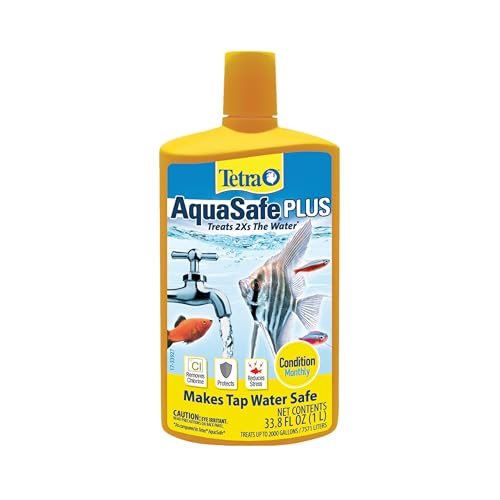
Tetra AquaSafe Plus tackles both freshwater and marine environments by neutralizing chlorine, chloramines, and heavy metals. It also supports a fish’s slime coating, promoting healing after minor injuries. This product is ideal for new tanks or as a supplement during routine maintenance. It doesn’t specifically soften hardness, so include a separate method if softer water is a priority.
Buying Guide
Key considerations when choosing a water softener for an aquarium include your tank size, target hardness, and whether you prefer media or conditioner-based solutions. For small tanks, resin pillows or resin media offer direct hardness reduction, while larger setups may benefit from durable media like EcoBio-Block that reduce ongoing dosing. If you frequently perform water changes, conditioners that detoxify chlorine, chloramines, and metals provide quick protection for fish during transition. For new hobbyists, a simple combination of a dechlorinator and a ready-to-use conditioner often delivers reliable results.
Quick decision prompts:
- Need rapid hardness reduction in a small tank? API Water Softener Pillow is a strong starter.
- Want mineral-free, stable water in both fresh and saltwater? Look to ion-exchange resins like Cunyuer.
- Prefer a long-term media solution with less maintenance? EcoBio-Block fits well.
- Start a new tank and ensure safe water immediately? API Tap Water Conditioner paired with a hardness reducer is a practical approach.
- Concerned about toxins during changes? Seachem Prime offers detoxification alongside sanitizing benefits.
FAQ
- Do water softeners remove essential minerals from the water? Some softeners reduce calcium and magnesium to lower hardness. Choose a balanced approach if your livestock requires stable mineral levels.
- Can I use multiple products together? Yes, but plan the sequence. Use conditioners during water changes, then add any hardness-reducing media as needed, following manufacturer guidance.
- How often should resin-based softeners be replaced? Replacement or regeneration depends on tank hardness and water usage; monitor hardness levels to determine timing.
- Is a water conditioner enough to soften hard water? Not always. A conditioner neutralizes chemicals; for hardness, add media or resin-based solutions as needed.
- Are these products safe for all fish? They are designed for aquarium use, but always introduce changes gradually and monitor fish behavior and water parameters.