The best tubes to clean fish tanks are simple siphon siphons or gravel vacuums that let you remove debris, waste, and old water without disturbing your fish. This guide covers five reliable options suited for different tank sizes, fish types, and cleaning goals. Ideal buyers include hobbyists with small to medium aquariums, turtle or terrarium setups, and anyone seeking easier water changes without heavy lifting. Below is a quick buying table to compare options at a glance.
| Product | Best For | Key Benefit |
|---|---|---|
| Laifoo 5ft-S Aquarium Siphon Vacuum Cleaner for Fish Tank Cleaning Gravel & Sand | Small to medium freshwater tanks | Durable hose and detachable filter screen for gentle cleaning |
| Tetra Water Cleaner Gravel Siphon for Aquariums | Moderate-sized tanks up to 55 gallons | Simple monthly 30% water change routine |
| Seltomer 4.3ft Fish Tank Cleaner Aquarium Siphon | Smaller tanks, beginners | Kink-resistant hose and fish-safe design |
| enomol Gravel Vacuum for Aquarium Water Changer | Medium to large tanks | Quick water changes with built-in filter and no spill setup |
| AREPK Compact Aquarium Siphon Vacuum Kit | Small tanks with mixed cleaning needs | Three cleaning heads for versatile tasks |
Laifoo 5ft-S Aquarium Siphon Vacuum Cleaner

Best for: beginners and hobbyists with small to medium glass or acrylic tanks. This Laifoo model features a five-foot hose, a sinkable gravel tube, and a detachable filter screen to protect fish and decor while removing sediment. The design emphasizes ease of control, convenient siphoning of feces and turbid water, and durability through clear elastic hose material that resists kinking.
Why chosen: It combines straightforward operation with a fish-safe approach and a durable hose. The included filter screen inside the gravel tube reduces blockages and prolonged use issues. Use this for routine gravel cleaning and water changes without heavy equipment.
Caution: Ensure the hose remains fully submerged while starting the siphon to avoid air gaps that stall flow. Not ideal for very large tanks or heavily planted setups where longer hose runs may create suction variations.
Tetra Water Cleaner Gravel Siphon for Aquariums
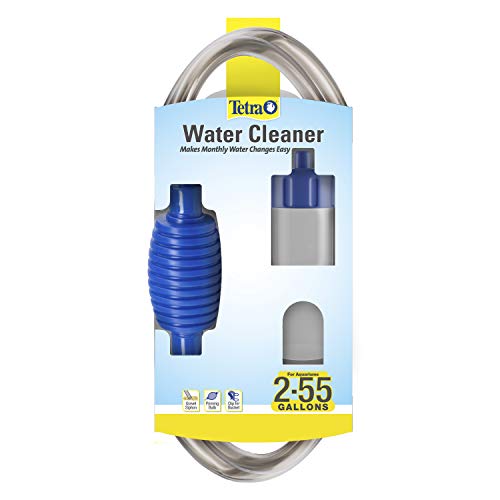
Best for: mid-sized freshwater aquariums up to 55 gallons. Tetra’s gravel siphon is designed to simplify monthly water changes by enabling quick removal of dirty water and debris with minimal effort. It’s a solid pick for hobbyists who want a reliable, straightforward device for routine maintenance.
Why chosen: Its compatibility with typical home aquariums makes it a dependable choice for regular upkeep. The device supports a 30% water change roughly every 30 days, which suits hobbyists aiming for stable water quality with predictable routines.
Caution: For very large or heavily stocked tanks, consider a longer hose or a device with greater flow control to maintain consistent suction without disturbing substrate.
Seltomer 4.3ft Fish Tank Cleaner Aquarium Siphon

Best for: small to medium tanks that benefit from a compact, quiet cleaning solution. Seltomer’s 4.3-foot hose provides a balance between reach and manageability, with a kink-resistant design and a sinkable gravel tube that minimizes fish disturbance during cleaning.
Why chosen: The product emphasizes fish safety and ease of use with a detachable filter screen, reducing accidental suction of small inhabitants. It’s well-suited for regular maintenance and light to moderate debris removal.
Caution: Shorter reach means it may require more repositioning for larger layouts; plan cleaning steps to cover all tank areas efficiently.
enomol Gravel Vacuum for Aquarium Water Changer

Best for: medium to large tanks that require quick water changes. The enomol gravel vacuum uses a simple, pressure-driven system to drain and then refill water, minimizing the need for separate buckets and reducing noise.
Why chosen: This model emphasizes efficiency in water changes, with a long cleaning tube that includes a built-in filter to prevent fish and substrate disruption. It suits busy setups where ease and speed are prioritized.
Caution: Installation and use rely on tap pressure; in homes with variable water pressure, ensure the hose and fittings are secure to prevent leaks or backflow.
AREPK Compact Aquarium Siphon Vacuum Kit

Best for: small tanks that require versatile cleaning without multiple tools. AREPK’s kit includes three independent cleaning heads, enabling gravel vacuuming, algae scraping, and water changes with one compact setup.
Why chosen: The interchangeable heads support a broader set of tasks, making it suitable for aquariums with decorations, dense substrates, or planted features. It also helps avoid tool clutter by consolidating functions.
Caution: The multiple heads add complexity; beginners should familiarize themselves with each head’s purpose to maximize efficiency and reduce the chance of misusing attachments.
Buying Guide: How To Choose The Right Tube For Your Tank
- Tank size and stock: Bigger tanks benefit from longer hoses and higher flow; smaller tanks can use compact siphons to avoid over-suction.
- Automation vs. manual: Manual siphons are simple and inexpensive, while pressure-driven or semi-automatic models speed up changes and reduce effort.
- Substrate type: Fine gravel or sand may require a gravel screen or a soft-suction approach to prevent clouding; choose a model with a filter to limit substrate disturbance.
- Fish safety: Look for removable screens or guards to prevent small fish or invertebrates from being sucked up during cleaning.
- Noise and ease of use: If noise or frequent repositioning is a concern, select a design with simple setup and low resistance in the hose.
- Durability and materials: Clear, kink-resistant hoses minimize tangling and kinks; rust-resistant or sturdy fittings improve long-term performance.
FAQ
- What is the main purpose of a gravel vacuum?
To remove debris, fish waste, and dirty water from the substrate while keeping beneficial bacteria intact in the tank.
- Can I use these tubes for turtle tanks?
Yes, many tubes are suitable for turtle tanks, but ensure the larger debris is managed and small aquatic life is not drawn into the suction.
- Do I need a filter on the gravel tube?
A filter screen helps prevent small fish or invertebrates from being sucked up and reduces substrate disturbance.
- How often should I perform a water change with a siphon?
That depends on tank setup and stocking; common practice is to change about 10-30% of water every 1-2 weeks for many freshwater tanks.
- Is pressure-driven water change better than manual siphoning?
Pressure-driven systems can be faster and more consistent, but require adequate water pressure and setup to avoid spills.
- What safety steps minimize tank disturbance?
Keep the hose end in the water during starting, monitor flow to avoid strong suction, and gradually reintroduce cleaned water to prevent temperature shock.