This guide highlights top tissue culture aquarium plants ideal for beginners and seasoned aquascapers alike. Tissue culture plants are grown in sterile conditions, reducing pests and algae risk while offering cleaner introductions to your tank. The selections below emphasize foreground carpeting and compact growth that contribute to lush, natural-looking aquariums. Each entry includes a quick look at growth needs, lighting, and suitability for various layouts, helping you choose plants that fit your setup and maintenance routine.
| Product | Brand | Notes |
|---|---|---|
| Monte Carlo Tissue Culture | Ultum Nature Systems | Foreground carpet, bright greens; needs good lighting/CO2 |
| Dwarf Baby Tears Cuba | Ultum Nature Systems | Very small; ideal for tiny foreground patches; requires careful planting |
| Dwarf Hairgrass Parvula | Generic | Carpet grass; thrives with adequate light and nutrients |
| Pearlweed (Micranthemum Micranthemoides) | PLANTEREST | Delicate carpet plant; eye-catching when dense |
| Bucephalandra Kedagang Japan | Ultum Nature Systems | Foreground to midground; great for driftwood/rocks; slow grower |
Below are five carefully chosen tissue culture plants that align with the “best tissue culture aquarium plants” goal. Each section provides practical details to support informed decisions for different tank sizes, lighting conditions, and aquascaping styles.
Monte Carlo Tissue Culture For Carpet Foreground
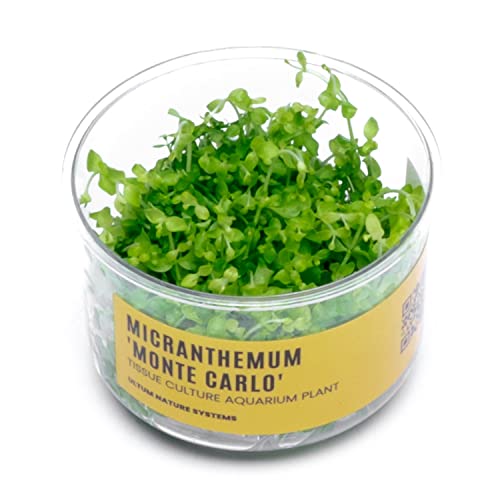
Monte Carlo is a popular foreground carpeting plant that brings a bright green to mid-green hue, helping to offset neutral substrates and darken tank silhouettes. This plant performs well submerged and can be grown emersed in dry-start setups, expanding aquascaping options. Growth tends to be lush under high lighting and with CO2 supplementation; signs of insufficient light include vertical growth and yellowing leaves, indicating a need for more intensity or nutrients. As a tissue culture product, it arrives clean, snail-free, and ready to plant, minimizing initial tank risk.
Best practices for Monte Carlo include spacing patches to allow for rhizome expansion and consistent fertilization to sustain the compact carpet. Regular pruning helps maintain a low, even carpet instead of tall, leggy growth. In mid-to-large tanks, Monte Carlo can serve as a bright green frame that highlights rockwork or driftwood. It pairs well with darker substrates and contrasting foreground plants for depth. For smaller tanks, monitor lighting to avoid algae overgrowth on the carpet’s edges.
Dwarf Baby Tears Cuba Tissue Culture

Dwarf Baby Tears Cuba is one of the smallest foreground plants, capable of delivering a lush, tight green carpet that makes aquascapes look expansive. It works well submerged and can be used during wet starts or dry-started aquariums to create a vivid, low-lying field. The plant requires medium to high lighting, ample nutrients, and additional CO2 to stay compact and prevent thinning or stretching. Because the root system is small, initial planting can be delicate—gentle tamping helps establish the patch without dislodging the plantlets.
In design terms, Cuba excels in iwagumi layouts or minimalistic scapes where a pristine green carpet draws attention to stone arrangements. It is especially effective when paired with slow-growing foreground elements or mid-ground accents to create layered depth. Regular checks for nutrient balance are advised to prevent micronutrient deficiencies that can manifest as pale or uneven growth. When managed properly, Dwarf Baby Tears contributes a striking, delicate texture to any aquarium design.
Dwarf Hairgrass Parvula For Carpet Effect
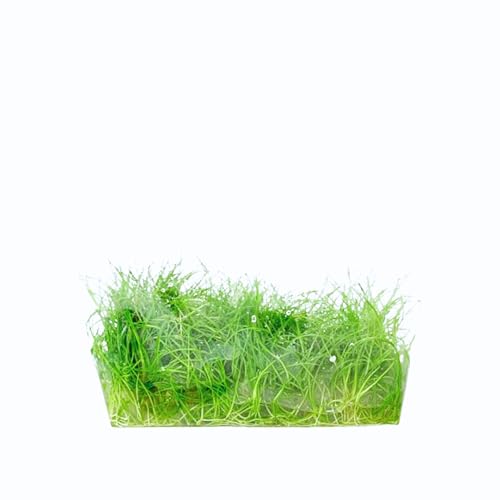
Dwarf Hairgrass, particularly Eleocharis Parvula, is a classic carpeting grass plant that forms a soft, elongated carpet across the foreground. Tissue culture Parvula is typically free from pests and diseases, thanks to lab-grown origins, improving early tank health. Growth is optimized with adequate lighting and steady nutrient delivery; this plant grows more slowly in lower light but can still create a compelling carpet with patience. Some hobbyists enjoy a “mini lawn” look in smaller tanks, while larger tanks benefit from interwoven patches to frame stones and driftwood.
Parvula responds well to gentle fertilization routines and stable water parameters. It’s less tolerant of heavy nutrient fluctuations, which can trigger uneven growth or browned tips. For best results, maintain consistent light cycles, moderate CO2 if possible, and keep the substrate evenly moist during early establishment. Regular trimming helps maintain a uniform carpet as it matures, ensuring a natural, cohesive appearance in your aquascape.
Pearlweed Carpet Plant In Vitro Cup
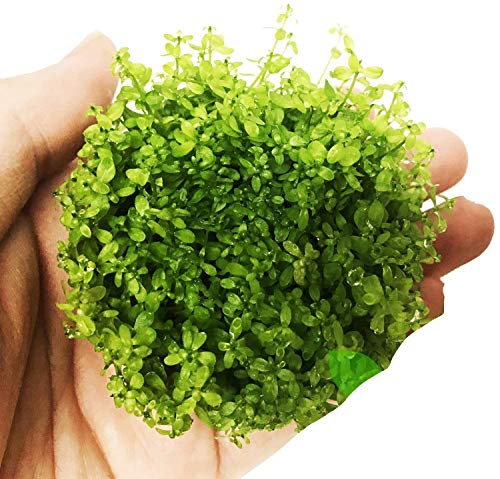
Pearlweed (Micranthemum Micranthemoides) delivers a compact, bright green carpet with delicate, rounded leaves that create a soft, shimmering effect when viewed from above. As a tissue culture cup, Pearlweed arrives clean and ready for planting, reducing the risk of tank contamination. It grows best under balanced lighting and a steady nutrient supply to encourage dense growth. Pearlweed is versatile in aquascapes, allowing easy integration into larger carpets or as a focal point within the foreground.
Planting Pearlweed requires careful placement to prevent uprooting, particularly when establishing new patches. Once established, it forms an even mat that enhances the visual depth of the tank, especially when paired with darker substrates or contrasting foreground plants. Regular monitoring for nutrient needs helps maintain its vibrant color and uniform growth, ensuring the carpet remains full and lush over time.
Bucephalandra Kedagang Japan For Texture and Color

Bucephalandra Kedagang Japan combines narrow red-tinted leaves with dark green edges, offering subtle color variation that adds architectural interest to an aquascape. As a tissue culture product, it arrives pest-free and is well-suited for low-to-medium light environments. This plant is commonly placed in the foreground or midground on driftwood or rock, where its slow growth allows for stable, low-maintenance layouts. Kedagang Japan provides a contrasting texture to a carpeted foreground and can anchor natural-looking aquascapes with its compact form.
Growth tends to be slow, making it ideal for patient designers who value steady, controlled development. It tolerates epiphytic placements, which encourages creative combinations with other foreground plants. When used strategically, Bucephalandra Kedagang Japan contributes color depth and structural variety without requiring intense lighting or high CO2 levels.
Alternanthera Reineckii Rosanervig Red TC Cup

Alternanthera Reineckii Rosanervig Red introduces vivid red hues to the aquarium, creating a dramatic color contrast against green carpets. This tissue culture cup plant grows best under moderate to high light and benefits from a steady nutrient supply. While more challenging than some greens due to light and nutrient demands, Rosanervig Red can add a dynamic focal point in midground to foreground areas, particularly in tanks with darker substrates to help the red coloration pop. Growth is relatively compact, but it may require pruning to maintain a balanced composition within the aquascape.
For color-rich aquascapes, combining Rosanervig Red with green foreground carpets can enhance visual depth. The plant’s red tones age gracefully with appropriate care, resulting in an appealing gradient across the layout. Monitor for signs of nutrient stress, which can dull red coloration, and adjust lighting, CO2, and fertilization to sustain vibrant tones over time.
Greenpro Dwarf Hairgrass TC Cup For Carpet Visuals

Greenpro Dwarf Hairgrass, a favorite carpet plant, delivers a bright green lawn-like appearance. Tissue culture cups ensure a clean start with low pest risk and robust early growth. This plant benefits from balanced lighting and consistent nutrient delivery to promote perling and healthy rhizome development. It is commonly used in foreground areas to create a soft, grass-like carpet that complements rockwork and driftwood. In larger tanks, it can be interwoven with other foreground species to create a multi-layered carpet effect.
Greenpro emphasizes tissue culture cultivation, reducing pathogenic concerns when introduced to aquariums. Maintain steady temperature and water parameters, and employ gentle substrate preparation during planting to avoid uprooting delicate plantlets. With proper care, Greenpro Dwarf Hairgrass can expand into a lush, uniform carpet that enhances overall tank aesthetics.
Buying Guide: Key Purchase Considerations
- Growth form and layout: Foreground carpeting plants like Monte Carlo, Cuba Baby Tears, Pearlweed, and Dwarf Hairgrass create visual depth and a lush base for any aquascape. Bucephalandra adds texture and color contrast in midground areas.
- Light and CO2: Most carpet plants thrive with moderate to high lighting and supplemental CO2. Low-light setups may see slower growth or leggy stems. Always match lighting to your plant choice and tank size.
- Maintenance needs: Carpet plants require regular trimming to maintain a neat, compact look. Nutrient dosing and stabilization of parameters help prevent deficiencies and algal blooms.
- Starting method: Tissue culture plants arrive pest-free and are easier to acclimate than traditional plants. They are well-suited for beginners due to reduced contamination risk.
- Compatibility: Consider color contrast, texture, and growth rates when planning a layout. Pair fast-growing green carpets with slower midground plants to maintain balance over time.
- Tank conditions: Temperature, hardness, and pH influence plant health. Keep a stable environment and adapt fertilization to plant needs, especially for CO2-dependent species.
- Planting technique: For delicate patches, plantlets should be spaced evenly and gently pressed into the substrate. Avoid overcrowding to minimize root disturbance and algae.
These selections provide a foundation for creating a visually striking, low-pest introductory planted tank using tissue culture products. By balancing light, nutrients, and placement, hobbyists can achieve durable foreground carpets, vibrant accents, and lasting aquascapes suitable for a range of aquarium sizes and styles.