If you’re looking to improve water conditions and promote healthier, more vibrant fish, tannin-rich Indian almond leaves are a top choice. This guide highlights the best options for aquariums, with a focus on leaves that help reduce pH, enrich water with beneficial compounds, and support breeding. Ideal buyers include shrimp and betta owners, hobbyists seeking blackwater effects, and anyone aiming to create a rainforest-like habitat.
| Product | Brand | Notes |
|---|---|---|
| Premium Indian Almond Leaves | MATCHIMAA | Rich in tannins; supports health and spawning |
| SunGrow 10 Indian Almond Leaves | SunGrow | Water conditioner; lowers pH; stress relief |
| Awesome Aquatic Betta Shrimp Leaves | Awesome Aquatic | Blackwater habitat; immunity and color |
| SunGrow 50 Pcs Catappa Leaves | SunGrow | Breeding support; multiple fish species |
| Sukh 30 Indian Almond Leaves | Sukh | Reproduction aid; pH adjustment |
Premium Indian Almond Leaves For Bettas And Shrimp

The MATCHIMAA Premium Indian Almond Leaves are rich in tannins, making them ideal for betta fish and shrimp health. They help create a tropical rainforest environment and contribute minerals and a comfortable pH range. Best for hobbyists seeking natural color enhancement and breeding support. A potential limitation is varying leaf sizes; confirm suitability for your tank before use.
SunGrow Indian Almond Leaves, 8 Inches, Natural Water Conditioner

SunGrow’s Indian Almond Leaves are a practical choice to induce a natural browse and comfort in bettas. They act as a water conditioner, help lower pH, and are said to support fin growth and color. Best for breeders and hobbyists aiming to replicate wild-water conditions. Limitation: individual leaf size may vary; plan for batch consistency.
Awesome Aquatic Betta Shrimp Leaves Kit

This premium catappa leaf set from Awesome Aquatic provides tannins that promote a soft blackwater habitat. It supports health and color, and is suitable for bettas, shrimps, guppies, and other tropical species. Best for hobbyists creating a natural habitat; limitation is the need to monitor tannin levels to maintain desired water tint.
SunGrow Catappa Leaves – 50 Pcs For Aquariums

This SunGrow pack offers 50 catappa leaves, suitable for multiple tanks or larger setups. Leaves are used to soften water, create a gentle brown tea color, and support breeding by offering shelter. Best for multi-tank hobbyists; caution: some leaves may be smaller or larger than expected, so plan stocking accordingly.
Sukh Indian Almond Leaves For Betta

Sukh leaves emphasize environmental realism for bettas, with tannins that lower pH to near natural aging water. They also promote bubble-nest activity during breeding. Best for hobbyists focusing on breeding and color development; limitation: leaf shapes vary, which may affect uniformity in a tank.
Awesome Aquatic Catappa Mini Leaves 2 in 25 Pack
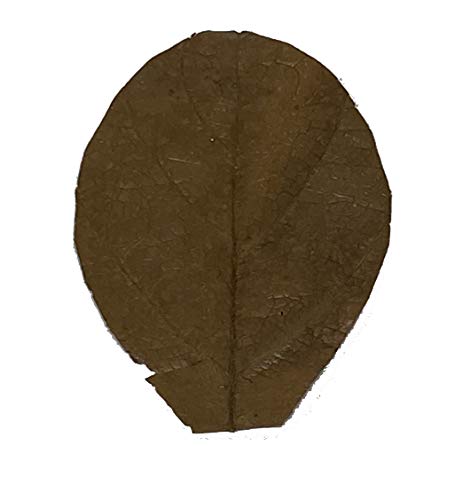
This smaller Catappa mini pack from Awesome Aquatic provides easy handling and quick tinting for small tanks and nano setups. Best for beginners and smaller aquariums; caution: individual leaves vary in size, so you may need more pieces to achieve the same effect as larger leaves.
Buying Guide
Why choose tannin-rich leaves?
Tannin leaves mimic natural aquatic environments, support immune health, reduce stress, and can aid in breeding by creating favorable spawning conditions. They also provide a gentle pH reduction and a natural source of minerals for certain fish and invertebrates.
What size and quantity should you buy?
For small tanks (5–20 gallons), 5–15 leaves are typically sufficient to create a noticeable effect. For larger setups, a mix of 20–50 leaves may be appropriate. Consider the variability in leaf size when calculating quantity.
What to look for in leaves?
- Freshness and color: lighter to medium brown hues indicate tannin-rich material.
- Leaf integrity: avoid leaves with mold or obvious damage.
- Consistency: natural leaves vary in size and shape; plan for this variability in tank design.
Water chemistry considerations
- Expect a gradual pH drop; monitor levels to avoid excessive acidity.
- Brown tint is normal; not a sign of poor water quality, but monitor ammonia with any new addition.
- Leaves can increase tannins that benefit many tropical species, but some sensitive fish may dislike pronounced color changes.
Maintenance tips
- Rinse leaves before adding to the tank to remove dust.
- Replace leaves as they break down; this maintains consistent water conditioning.
- Combine leaves with regular water changes to prevent excessive tannin buildup.
FAQ
- Do tannin leaves lower pH permanently?
They tend to lower pH gradually while in use, but pH can rebound as leaves break down and water chemistry changes with other additives. - Are leaves safe for all fish?
Most tropical fish benefit, but some species sensitive to tannins or color changes may react differently; monitor fish behavior after introduction. - How long should leaves stay in the tank?
Leaves gradually decompose; replace as they crumble to maintain effects and water quality. - Can I use multiple brands together?
Yes, but monitor water tint and pH to ensure compatibility with your specific inhabitants. - Will leaves affect algae growth?
Leaves can influence tank chemistry and biofilm that some invertebrates feed on; effects on algae vary by tank.