Answering the needs of reef hobbyists and saltwater keepers, these sumps optimize filtration, water stability, and space efficiency. The best options target space-limited setups, high bubble control, and flexible configurations for protein skimmers, refugiums, and return pumps. Ideal buyers include: reefkeepers with compact setups, new hobbyists building modular sump systems, and those seeking adjustable water level or integrated filtration. The following selections cover in-sump protein skimmers, return pumps, refugium-ready kits, and adjustable baffles to tailor your sump to your tank’s bioload and space constraints.
Summary table of selected products:
| Product | Best For | Key Benefit |
|---|---|---|
| MagTool N100 Plus In-Sump Protein Skimmer | Small to medium reef tanks | Compact footprint with powerful 265 GPH DC pump and bottom-open outlet |
| IOAOI In Sump Protein Skimmer, 60-90 Gallons | Moderate bioload systems | Dual control of air and water flow for stable foam |
| LANDEN RS 60 ReefStar Sump System | Larger displays with integrated filtration | Modular core system with refugium and filter options |
| LYL LEYOULAND Adjustable Sump Baffle Kit (20 Gal Long) | Customizable sump space | Adjustable water level for skimmer and equipment fit |
| Useek Auto Top Off (ATO) for Saltwater | Stable salinity with auto water top-off | Compact, real-time protection against overfill and dry run |
MagTool Aquarium In-Sump DC Protein Skimmer N100 Plus

Best for space-constrained sumps, this MagTool model combines a compact 5.0 x 4.3 inch footprint with a high-output DC pinwheel pump (265 GPH). The sine-wave pump design delivers strong filtration while maintaining low noise. The bottom-open outlet reduces the footprint and improves flow efficiency in tight setups. Choose this if you run a 50‑100 gallon reef tank and need solid skimming without sacrificing cabinet or sump space. Limitation: smaller footprint means relative skimming capacity is best for moderate bioload scenarios.
IOAOI In Sump Protein Skimmer for 60-90 Gallons
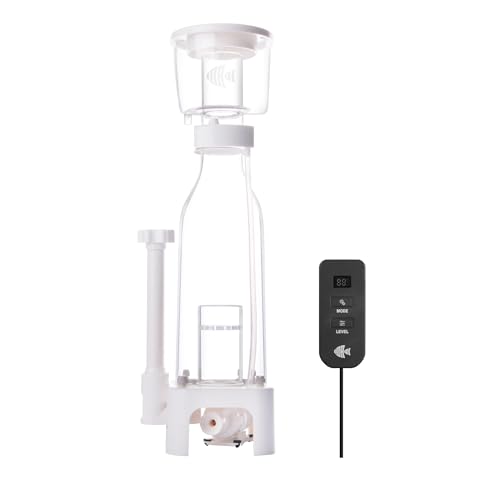
Best for moderate bioload systems seeking adjustable foam stability, this IOAOI skimmer features a fine bubble column and a dual control setup for separate air intake and water flow. It’s well-suited for tight or mid-sized sumps, offering quiet operation with a compact footprint. Best for hobbyists who want precise foam control as tank conditions vary. Caution: ensure your sump provides adequate room for the skimmer height and accessories.
LANDEN RS 60 ReefStar Sump System

This ReefStar kit targets larger displays or advanced hobbyists seeking a robust, modular sump with built-in filtration options. It supports a refugium, skimmer, and media filtration with an integrated cabinet for clean wiring and maintenance access. Best for reef tanks requiring high customization, balanced circulation, and a neat, integrated look. Limitation: installation may require more space and attention to setup details in multi-chamber configurations.
LYL LEYOULAND Adjustable Sump Baffle Kit (20 Gal Long)

Best for custom sump layouts, this adjustable baffle kit lets you tailor space for skimmers, refugiums, or reactors in a 20-gallon long tank, enabling precise water-level control. It’s ideal for hobbyists building a custom refugium or refining your sump’s filtration zones. Choose this if your tank is a 20-gallon long with varied equipment; verify internal dimensions before purchasing. Limitation: designed for specific tank widths, so measure before buying.
LYL LEYOULAND Adjustable Sump Baffle Kit (10 Gal)

Best for compact nano setups, this 10-gallon sump baffle kit provides adjustable water level options for precise skimmer and refugium placements. It’s a fit for small tanks and nano reef systems, where space is at a premium. Limitation: smaller footprint means you’ll have fewer options for large equipment and refugium capacity compared to larger sumps.
Useek Auto Top Off (ATO) for Saltwater

Best for salinity stability, Useek’s ATO system maintains consistent water levels and salinity by automatically refilling evaporated water. It’s compact and unobtrusive, suitable for rimmed or rimless tanks and sumps. A key advantage is real-time protection with QST against overfilling or dry running. Consider the system if your aquarium experiences significant evaporation or if you prefer an automated, low-maintenance top-off solution.
Buying Guide: Key Considerations For Choosing a Sump Setup
- Tank size and bioload: Match sump volume and filtration capacity to your tank’s gallons and inhabitants. Larger display tanks benefit from a modular sump with refugium and multiple filtration stages.
- Filtration configuration: Decide between skimmer-first setups, refugiums, media reactors, and return pump options. Refugiums improve nutrient control, while skimmers remove dissolved organics efficiently.
- Space and footprint: For space-limited installations, prioritize compact skimmers and slim sump configurations. Consider adjustable baffles to tailor water levels precisely.
- Water level management: An adjustable water level helps maintain consistent skimming and pump performance as evaporation varies.
- Automation and reliability: Auto Top Off systems reduce salinity fluctuations and manual maintenance. Ensure compatibility with your sump and tank size.
- Noise and maintenance: Look for quiet DC pumps and accessible sump designs for easy cleaning and routine checks.
Frequently Asked Questions
- What is a sump in a saltwater aquarium?
A sump is an additional water container placed below or alongside the main display tank. It houses protein skimmers, refugiums, return pumps, and filtration media to improve water quality and enable easier maintenance.
- Why use an adjustable sump baffle kit?
It allows precise control of water levels in different sections, accommodating various equipment and making skimmer and refugium performance more predictable in changing bioload conditions.
- What should I consider when choosing a return pump?
Look at maximum head height, flow rate, energy usage, and noise. The pump should provide adequate RETURN flow without overflowing the sump or stressing equipment.
- Is an ATO system necessary for reef tanks?
While not mandatory, an ATO helps maintain stable salinity by compensating for evaporation, reducing fluctuations that stress corals and fish.
- Can I mix different sump brands and components?
Yes, but verify compatibility with your tank size, overflow design, and the sump dimensions. Planning the layout beforehand helps avoid space or clearance issues.
- How often should I service a sump?
Inspect skimmers, pumps, and reactors monthly for cleaning and calibration. Check for leaks and ensure electrical cabling remains organized and dry.