When choosing a sponge filter for a 3-gallon tank, prioritize compact size, reliable mechanical and biological filtration, and simple maintenance. The top picks below suit small fish, fry, shrimp, and breeding setups seeking steady water quality without complicated gear. Best for compact tanks, best for breeding, and best for easy upkeep are highlighted for quick decisions.
| Product | Best For | Why It Stands Out |
|---|---|---|
| Pawfly Aquarium Sponge Filter, Mini | Very small tanks up to 3 gallons | Compact, easy to detach and clean, good for shrimp and fry |
| Pawfly Aquarium Nano Bio Sponge Filter (3 Pack) | Small tanks up to 3 gallons | Multiple units for redundancy or multi-tank setups |
| AQUANEAT Mini Sponge Filters (3 Pack) | Tanks up to 2 gallons | Ultra-compact, silent operation, good for fry tanks |
| hygger Small Aquarium Bio Sponge Filter | 2–5 gallon tanks | Two-stage filtration with bio media and aeration |
| AQUANEAT Bio Sponge Filter (3 Pack) | Small to mid-size tanks | Easy setup, safe for fish, includes air tubing |
Pawfly Aquarium Sponge Filter, Mini
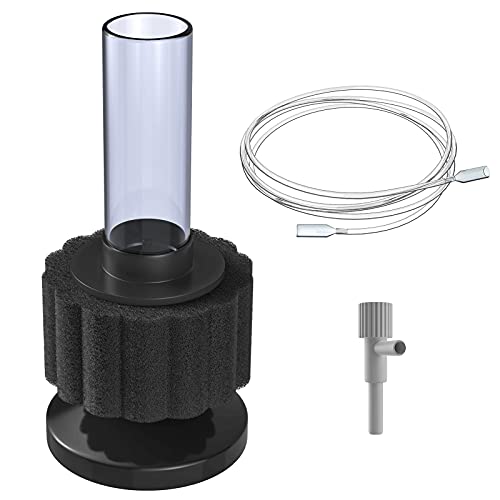
Brand: Pawfly. This mini sponge filter is designed for tanks up to 3 gallons. It provides mechanical and biological filtration while trapping debris without harming fish. The compact size (about 1.5 inches in diameter and 3 inches tall) makes it ideal for small schools, crystal shrimp, or fry. It’s easy to detach for cleaning, recommended to rinse in tank water every 2–4 weeks. Best for tiny tanks needing gentle filtration; avoid using tap water for cleaning to preserve beneficial bacteria. Caution: ensure the intake does not suck up fry during feeding.
Pawfly Aquarium Nano Bio Sponge Filter (3 Pack)
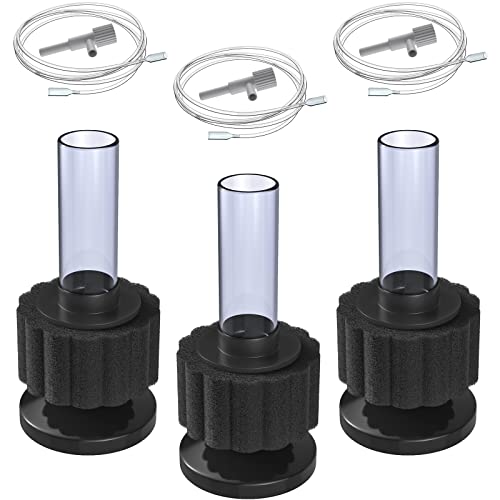
Brand: Pawfly. This set provides three small sponge filters (1.5″ D x 3″ H) intended for tanks up to 3 gallons. They offer mechanical and biological filtration in a compact form, with easy maintenance—detach and rinse in tank water every 2–4 weeks. Best for multi-tank setups or when you want buffer filtration in several tiny systems. Consider these if you prefer redundancy or plan to keep multiple 1–3 gallon setups. Limitation: no included air pump; you’ll need tubing and air source separately.
Pawfly Air Pump with Nano Bio Sponge Filter Kit
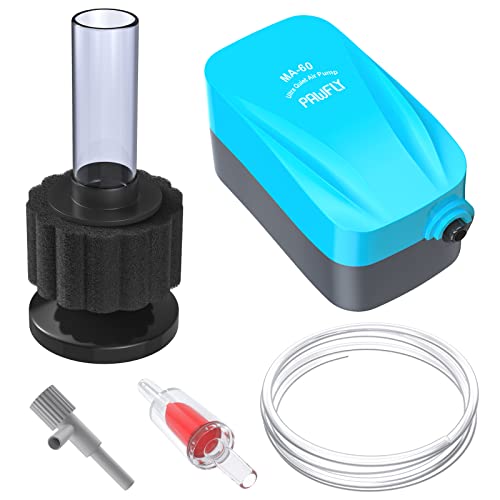
Brand: Pawfly. This kit centers on a compact air pump (3.3″ L x 1.8″ W x 1.6″ H) paired with a 1.5″ D x 3″ H sponge filter. It produces dense bubbles to increase oxygen content and helps trap impurities. The adjustable air control valve lets you tailor air flow for sensitive residents like fry or shrimp. Best for 3–10 gallon tanks; better for small tanks needing consistent aeration, but the included 3–10 gallon range makes it a flexible option if you anticipate tank expansion. Limitation: designed for small-to-midsize tanks; may be overkill for the tiniest setups.
AQUANEAT 3pcs Mini Aquarium Sponge Filter

Brand: AQUANEAT. This set includes three tiny sponge filters designed for tanks up to 2 gallons each. Each filter measures 1.5”D x 3”H and uses soft sponge to trap debris while protecting fish. Best for nano or fry tanks where silent, low-flow filtration matters. Better for solo tanks rather than combined filtration in larger systems. Caution: provided as multiple units; ensure adequate surface area if you combine in one larger tank.
Pawfly 3 Pack Aquarium Sponge Filter

Brand: Pawfly. This package includes three sponge filters suitable for small tanks. Each unit provides mechanical and biological filtration with easy cleaning—rinse in tank water every 2–4 weeks. Best for multiple small tanks or when you want a backup filter. Choose this if you need several tiny filtration units but avoid using tap water to preserve beneficial bacteria. Limitation: not ideal for larger tanks beyond 3 gallons per unit.
Buying Guide
- Tank size compatibility: For a 3-gallon tank, prioritize filters explicitly rated up to 3 gallons or less. In general, smaller is better to avoid overpowering the tank’s bio-load.
- Filtration type: Look for both mechanical and biological filtration. Sponge filters support beneficial bacteria while trapping debris, aiding water clarity and fish health.
- Maintenance cadence: Choose filters that are easy to detach and rinse in tank water. Avoid cleaning with tap water to preserve beneficial bacteria.
- Airflow and oxygenation: Some kits include adjustable air control valves. Regulation helps protect fry and slow-swimming species that benefit from gentler flow.
- Redundancy and setup needs: If you maintain more than one tiny tank, a multi-pack option may offer practical redundancy and consistent filtration across tanks.
Frequently Asked Questions
- Can a sponge filter be used in a 3-gallon tank with fish fry? Yes, sponge filters are gentle and provide both mechanical and biological filtration, which is suitable for fry and shrimp when flow is controlled.
- How often should sponge filters be cleaned in small tanks? Rinse the sponge in tank water every 2–4 weeks, avoiding tap water to protect beneficial bacteria.
- Do sponge filters require an air pump? Most sponge filters are paired with an air pump, but some kits include a compact pump as part of the setup. Confirm included components before purchase.
- Is a larger sponge filter better for a small tank? Not necessarily. A filter that is too powerful can create excessive flow for a small tank; opt for compact units designed for 1–3 gallons or 2–5 gallons if needed.
- Should I use multiple sponge filters in a single 3-gallon tank? If you have fry or shrimp and want very gentle, distributed flow, multiple smaller units can offer even filtration without high flow concentrating in one spot.
- Are sponge filters safe for shrimp and delicate fish? Yes, sponge filters are generally safe when flow is moderate, as they provide gentle aeration and avoid sucking in small creatures.