Answering the needs of freshwater hobbyists, these soils support healthy plant growth, stable water conditions, and thriving shrimp habitats. This guide highlights five top Amazon substrates, explaining who each is best for, potential limitations, and practical buying tips. Ideal buyers include new aquarists building a planted tank, shrimp-keepers seeking stable pH, and hobbyists aiming for vibrant plant color with fewer maintenance steps.
Summary for quick comparison:
- Aqueon Plant and Shrimp Substrate — Best all-around starter substrate for planted tanks and shrimp habitats.
- Fluval Volcanic Soil Bio Stratum (8.8 lb) — Best for rapid nutrient release and color-rich plants.
- FZONE Nutrient-Rich Substrate (8L / 17.64 lb) — Best for dust-free, long-lasting stability and low maintenance.
- FZONE Dust-Free Substrate (4L / 6.6 lb) — Best compact option for smaller tanks or precise substrate layers.
- Hygger CO2 Upgraded Soil — Best for CO2-injected setups with delicate plants and shrimp.
Aqueon Plant And Shrimp Aquarium Substrate
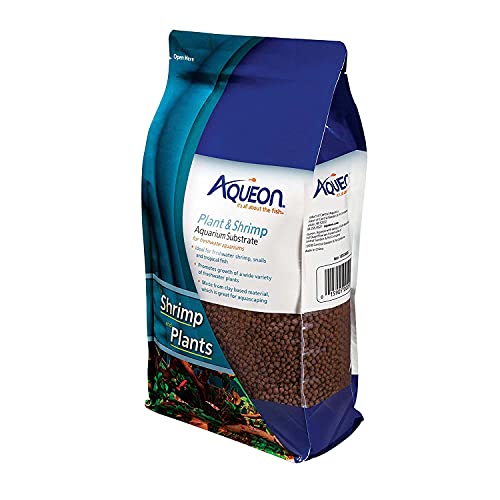
Best for: beginners and mixed-species tanks that include plants and shrimp. Why selected: A quartz-rich, clay-based substrate that maintains a stable foundation for plant roots and helps create a natural environment for freshwater species. It supports healthy plant growth and is suitable for shrimp habitats and even some turtle setups. Caution: its performance depends on water changes and overall tank balance; monitor ammonia and nitrate levels as you establish the ecosystem.
Fluval Natural Mineral-Rich Volcanic Soil Bio Stratum (8.8 lb)
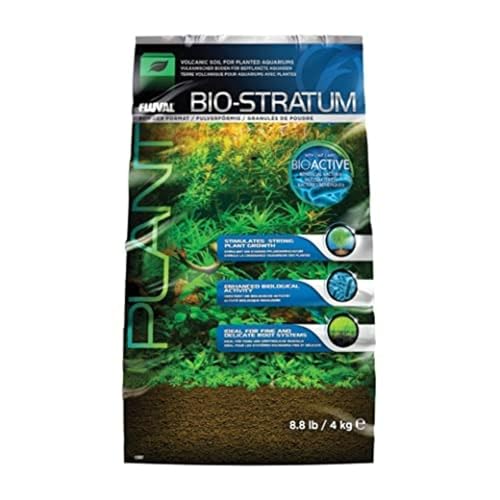
Best for: established tanks seeking robust growth and vibrant plant coloration. Why selected: This mineral-rich volcanic soil activates beneficial water conditions upon contact with water and helps stabilize ammonia levels, supporting a balanced nitrogen cycle. It’s especially suitable for new aquariums where quick plant growth and color development are desired. Caution: the faster nutrient release can temporarily affect water chemistry in very sensitive setups; monitor parameters during initial weeks.
FZONE Aquarium Soil For Planted Tanks (3mm, 8L/17.64 lb)
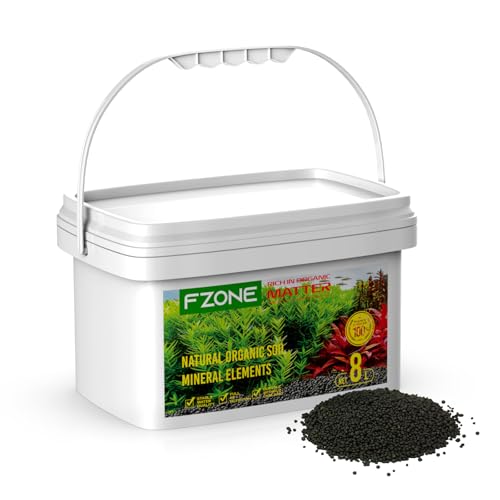
Best for: larger planted setups needing a nutrient-rich, dust-free substrate. Why selected: A nutrient-rich formula blending organic matter, activated carbon, silica, soil, and minerals to support plant growth, with 3mm porous granules that promote root development and debris capture. It also lowers pH gradually for many aquatic plants. Caution: initial nutrient release may affect sensitive species; plan for gradual stocking and regular water changes in the first weeks.
FZONE Dust-Free Substrate For Planted Tanks (3mm, 4L/6.6 lb)
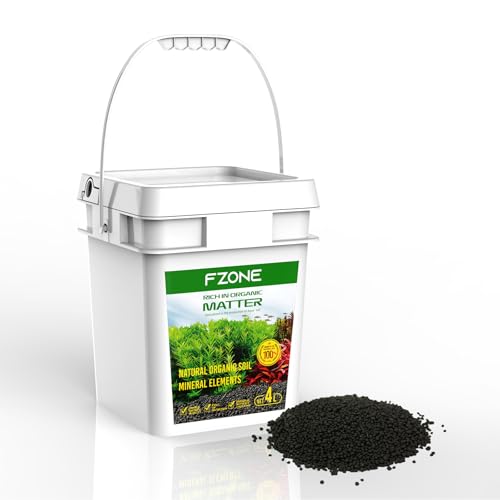
Best for: compact tanks or as a top-coat layer for rooted plants. Why selected: This dust-free, 3mm granule substrate preserves water clarity and provides a stable root zone with essential nutrients. Caution: smaller tanks may require partial water changes more frequently during the initial setup as nutrients buffer into the system.
Fluval Natural Mineral-Rich Volcanic Soil Bio Stratum (17.6 lb)

Best for: larger, heavily planted setups needing substantial substrate volume. Why selected: Similar benefits to the 8.8 lb version but in a larger bag, providing sustained nutrient release and robust plant growth. Caution: larger quantities require careful water management to prevent rapid shifts in chemistry during setup.
Fluval 12696 Natural Mineral-Rich Volcanic Soil (4.4 lb)

Best for: mid-size planted tanks seeking a balance of nutrient availability and water stability. Why selected: Provides the same nitrogen cycle benefits and plant-healthy minerals at a smaller volume, suitable for medium setups. Caution: ensure even distribution to avoid localized nutrient pockets that can affect plant growth.
Buying Guide
What should you consider before choosing soil for a planted tank? Start with tank size, plant types, and whether you plan to keep shrimp or other sensitive species. Key factors include nutrient content, pH influence, particle size, and how the substrate interacts with biological filtration. For beginners, consider a balanced mix that supports root growth and nutrient release without dramatic water chemistry swings. For shrimp tanks, choose substrates that stabilize pH and soften water while avoiding sudden changes.
Core considerations
- Particle size and porosity: Smaller grains support dense rooting but may cloud water; medium grains provide stability and root growth without excessive turbidity.
- Nutrient delivery: Freshly added soils may release nutrients quickly. Look for formulations designed to activate in water for stable long-term feeding.
- pH and hardness impact: Some soils gently acidify water, which benefits many freshwater plants but may affect certain shrimp species.
- No-dust formulations: Dust-free options help maintain water clarity, especially in smaller tanks.
- Maintenance rhythm: Substrates differ in how often you need to perform water changes and fertilization.
How to layer and combine substrates
For complex setups, you can layer soils to balance nutrient availability and root stability. Start with a base layer of nutrient-rich soil for plant roots, then top with a lighter, inert substrate to reduce cloudiness. In shrimp tanks, a stable, slightly acidic base supports shell growth and plant health. Always rinse new soil thoroughly before adding to the tank when applicable, and monitor ammonia, nitrite, and nitrate levels during the first weeks.
Maintenance and monitoring tips
- Perform regular partial water changes, especially during the first two weeks after setup.
- Gradually introduce livestock to avoid stress from chemical shifts.
- Use compatible fertilizers suitable for planted tanks and follow manufacturer guidelines.
Quick setup checklist
- Choose a soil that matches your tank size and plant/shrimp needs.
- Rinse and add substrate to the tank following your layering plan.
- Fill with water slowly to minimize disturbance of the substrate.
- Plant and add livestock after an initial cycle or according to species requirements.
- Monitor water parameters and adjust as needed.
FAQ
- What soil is best for shrimp tanks? Look for neutral to slightly acidic soils that stabilize pH and don’t release heavy metals. Substrates designed for planted tanks with shrimp compatibility are ideal.
- How often should I change the water with soil substrates? In the first two weeks, more frequent partial changes are common to stabilize nutrients. After that, follow your standard weekly schedule.
- Can I mix soils from different brands? Yes, but introduce them gradually and monitor water parameters to avoid sudden pH or ammonia shifts.
- Is dust-free soil always better? Dust-free soils help maintain water clarity, especially in small tanks, but ensure they still provide adequate nutrients for plants.
- Do these soils require additional fertilization? Many soils include nutrients, but plant growth may still benefit from targeted fertilization based on plant species and growth rate.
- Can I reuse soil when upgrading tanks? Reuse is possible with proper cleaning and cycle reestablishment; check each product’s guidance for reuse compatibility.