Answering the essential question for reef tank keepers: which snails provide reliable algae control, contribute to a balanced ecosystem, and stay reef-safe? The following selections focus on saltwater snails that are commonly recommended for reef aquariums. They suit small to mid-sized tanks, active in removing diatoms, bubble algae, and film algae while coexisting with corals and peaceful invertebrates. Best for hobbyists seeking a low-maintenance cleanup crew with predictable behavior.
| Product | Type | Best For | Notes |
|---|---|---|---|
| Shore Aquatic Astrea Turbo Snails | Turbo snails | Reef tanks needing diatom and nuisance algae control | Typically 1″ shell; good for continuous grazing |
| Shore Aquatic Cerith Snails (1 Pack) | Cerith snails | Substrate cleaners and detritus removal | Eye-catching pinkish shell; natural scavengers |
| Shore Aquatic Cerith Snails (5 Pack) | Cerith snails | Higher cleanup capacity in larger or heavily stocked tanks | Similar benefits, more individuals |
| Shore Aquatic Coralline Covered Cerith Snails (1 Pack) | Cerith snails | Colorful display with effective cleaning | Decorative shell with practical role |
| Shore Aquatic Coralline Covered Cerith Snails (5 Pack) | Cerith snails | Bulk cleanup for busy systems | Best value per snail in reef setups |
Note: All four Shore Aquatic cerith variants and the Astrea Turbo Snails are designed for reef aquariums. When planning, consider tank size, bioload, and available grazing surfaces like live rock, sand beds, and macroalgae beds to maximize snail effectiveness.
Shore Aquatic Astrea Turbo Snails – Live Saltwater Invertebrates

Features: Efficient herbivores that consume nuisance growths, cyanobacteria (red slime), and diatoms. They help keep your saltwater aquarium clean and free of unsightly growth. Reef Safe & Peaceful: Non-aggressive snail species that coexists harmoniously with corals, fish, and other invertebrates. An ideal addition to any reef community as part of your cleanup crew. Optimal Tank Conditions: Thrives in typical reef parameters. Grows up to ~1″, maintain calcium and trace elements for healthy shell growth.
Best for: Reef keepers needing reliable algae control without risk to corals or fish. Why selected: Strong, generalist grazer with broad compatibility in reef systems. Caution: Not ideal for tanks with extremely soft, newly established reefs that require careful acclimation; introduce gradually to prevent sudden grazing pressure.
Coralline Covered Cerith Snails (Shore Aquatic) – Pick Your Pack
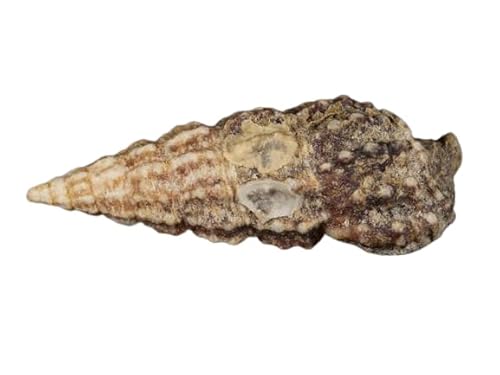
Features: Enhance the beauty of your saltwater aquarium with vibrant pinkish red-covered shells. Cerith Snails are natural scavengers that help keep your tank clean by consuming excess food and organic matter. Each snail is hand-picked and raised in a state-of-the-art facility; arrival size approximately 1.5-2 inches.
Best for: Aquariums needing both visual appeal and practical cleanup. Why selected: Combines aesthetics with efficient detritus removal. Caution: Individual size may vary; plan for initial shell density on sand and rock surfaces.
Coralline Covered Cerith Snails (Shore Aquatic) – 5 Pack
Features: Similar benefits as the single-pack option with the added appeal of a cohesive display and increased cleaning power. Cerith snails help reduce detritus buildup and contribute to sand bed turnover. The coralline-covered shells add a distinctive look to reef tanks.
Best for: Medium to larger reefs needing greater snail numbers. Why selected: Bulk availability reduces shipping frequency while boosting cleanup capacity. Caution: Monitor ammonia during acclimation in newly set tanks.
Buying Guide
What should I look for in reef-safe snails?
Choose snails that are known to be peaceful, coral-safe, and efficient grazers of algae and detritus. Astrea and Cerith species are among the most common reef-approved choices due to their non-aggressive nature and solid cleaning capabilities.
How many snails do I need?
A common guideline is 1-2 snails per 10 gallons for light to moderate algae, with more needed in heavily stocked tanks or tanks with substantial detritus. If you have a sandy substrate, Cerith snails can help turnover the sand more effectively.
Which combination works best?
A mixed cleanup crew often yields the best results: Astrea Turbos for diatoms on surfaces, Ceriths for detritus in the sand and rocks, and additional Ceriths to boost overall grazing. The coraline-covered variants provide color and additional cleaning without sacrificing function.
Are there any cautions?
Some snails may be sensitive to sudden parameter shifts. Introduce slowly during acclimation. Avoid overstocking, which can cause competition for food and stress. Always monitor coral tissue health and slow grazing if corals are overly stressed.
How should I place these in the reef tank?
Spread snails across rocks, sand beds, and high-traffic grazing zones. Keep live rock surfaces accessible for grazing. Ensure there are multiple entry points for snails to disperse around the tank.
Frequently Asked Questions
- Are these snails reef-safe? Yes, they are widely used in reef aquariums and are known for peaceful behavior.
- Which snail is best for sand beds? Cerith snails are effective sand movers and detritus eaters, helping to keep sand clean.
- Can I mix snail species? Yes, a combination of Astrea and Cerith snails generally works well for broad cleaning needs.
- Will snails reproduce in the tank? Some species reproduce in captivity; control is generally low for reef systems but monitor population growth.
- Do snails require special food? In most reef tanks, they graze on algae and detritus; supplemental feeding is rarely necessary unless grazing is limited.