Answering the common question “which siphon fish tank vacuum should I buy?” this guide highlights practical, user-friendly options for cleaning gravel and changing water. The top picks suit different tank sizes and experience levels—from beginners needing simple, push-button action to seasoned hobbyists wanting more control. Each product is evaluated for best use cases, potential limitations, and why it stands out. This article helps you compare quickly and choose devices that keep your aquarium clean without disturbing fish or decor.
Summary of chosen products
| Product | Best For | Key Benefit |
|---|---|---|
| Tetra Water Cleaner Gravel Siphon | Small to mid-size tanks (≤55 gal) | Simple gravity siphon for routine 30% water changes |
| Laifoo 5ft Aquarium Siphon Vacuum | Beginner to mid-range setups | Durable hose, anti-kink design, gentle with fish |
| SEAOURA 3-in-1 Gravel Cleaner | All-in-one cleaning and water changes | Three functions: wash, scrape, and suction |
| Laifoo 7ft Aquarium Siphon Vacuum | Larger tanks or deeper setups | Long hose for flexible reach |
| AREPK Compact Siphon Kit | Small tanks needing versatile cleaning | Three heads for different tasks |
Tetra Water Cleaner Gravel Siphon for Aquariums
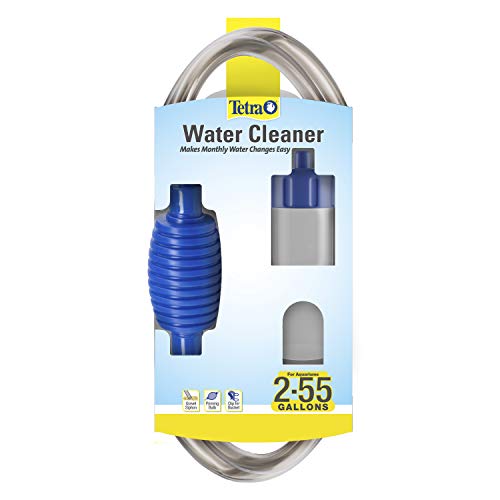
The Tetra water cleaner is a gravel siphon designed to simplify routine maintenance for freshwater tanks. It is compatible with aquariums up to 55 gallons and supports easy 30% water changes in about 30 minutes. Best for hobbyists who want a straightforward tool to perform regular siphoning without extra accessories or complexity. A potential limitation is that it relies on gravity and may require positioning adjustments for larger tanks or deep substrates. Use this if you want a compact, reliable option for small to mid-size setups.
Laifoo 5ft Aquarium Siphon Vacuum Cleaner
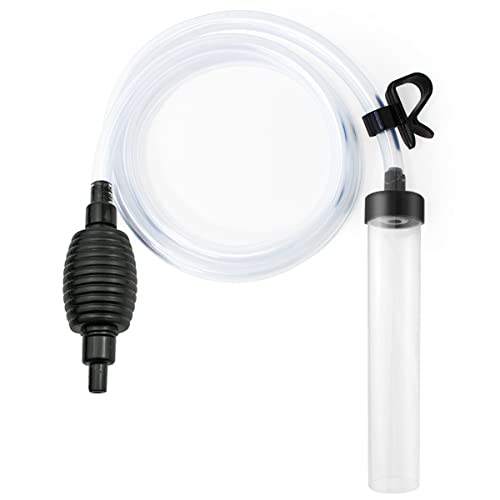
This Laifoo model emphasizes ease of use with a 5-foot hose and a sinkable gravel tube that includes a detachable filter screen. It is well-suited for beginners or casual hobbyists who want a dependable tool that won’t disturb pets or decor. The clear, elastic hose reduces kinking and stress on fish. A limitation is that shorter or multi-tank use might require hose swapping or an additional extension for larger tanks. Choose this if you want a simple, durable option for standard gravel cleaning.
Laifoo 5ft-S Aquarium Siphon Vacuum Cleaner

This variant from Laifoo mirrors the 5-foot design with a focus on gentle cleaning and anti-kink properties. It uses a clear, elastic hose and a sinkable gravel tube with a detachable filter screen. Best for hobbyists who want a repeatable, low-stress cleaning process. A potential limitation is that it shares the same basic design as other Laifoo items, so if you need more features, you may want to consider a multi-function model.
SEAOURA Aquarium Siphon Pump Gravel Cleaner

SEAOURA offers a 3-in-1 cleaning kit combining gravel washing, scraping, and suction. It features a filter basket net to protect fish and decor, along with dual airbags and a no-noise manual press design. Best for aquariums where mixed tasks (gravel cleaning and water changes) must be done quickly. Consider its manual operation speed—larger tanks may require more effort and time.
Laifoo 7ft Aquarium Siphon Vacuum

This Laifoo model extends to a 7-foot hose, offering reach for larger tanks or deeper aquariums. It maintains the same user-friendly features—clear elastic hose, anti-kink design, and a detachable gravel screen. Best for enthusiasts with deeper tanks or setups that require flexible reach. Limitation: longer hoses can be harder to store and manage in small setups.
AREPK Compact Aquarium Siphon Kit

AREPK provides a compact, multi-head cleaning kit with three independent cleaning heads for gravel washing, algae scraping, and debris removal. This versatility is ideal for small tanks needing simultaneous tasks. Best for users who want a single kit that handles different cleaning jobs without buying separate tools. Limitation: may be bulkier to store due to multiple heads and accessories.
AQUANEAT Aquarium Vacuum Siphon

AQUANEAT’s vacuum siphon uses a hand-pump mechanism to start water flow, suitable for small to medium tanks. It is designed to be safe for fish with a filter screen that prevents accidental intake of aquatic animals. Best for beginners who want a straightforward, manual pumping action. Limitation: manual operation requires repeated squeezing to start and sustain flow, which may be slower than electric or automatic models.
QZQ Aquarium Gravel Cleaner 2026 Edition
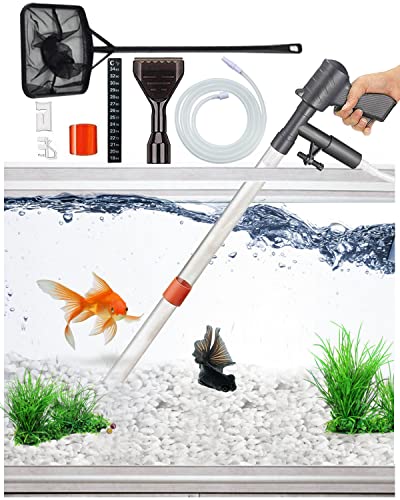
QZQ’s 2026 edition is a multi-functional kit with a high-pressure siphon design, filter net, and a safety design that minimizes fish disturbance. It supports quick water changes and debris removal while protecting gravel and fish. Best for buyers who want a complete, adaptable cleaning tool. Limitation: as a feature-rich option, it may have a slightly steeper learning curve for first-time users.
Buying Guide: Key Purchase Considerations
- Tank size and depth: Select a model with a hose length and gravel tube suitable for your aquarium’s dimensions.
- Cleaning tasks: If you need multiple functions (gravel washing, algae scraping, water changes), consider 3-in-1 or multi-head kits.
- Ease of use: For beginners, prefer models with simple start mechanisms and minimal assembly.
- Fish safety: Look for filter screens or baskets to prevent fish from being sucked up with debris.
- Durability: Clear, flexible hoses and sturdy connectors reduce kinking and wear over time.
- Storage and portability: Longer hoses require more space; consider storage options when selecting size.
FAQ
- What is a siphon vacuum used for in aquariums?
It removes dirty water and debris from the gravel while facilitating water changes. - Can these devices hurt fish?
Most models include filters or screens to prevent fish from being sucked into the tube. - Do I need a manual or automatic siphon?
Manual models are budget-friendly and reliable; automatic versions offer faster operation but higher cost. - Is a longer hose better?
A longer hose provides reach for tall or deep tanks but can be harder to manage and store. - How often should I perform water changes?
Many hobbyists do 20–30% monthly; adjust based on tank conditions and bio-load.