Answering common pond-keeper questions, sinking fish food is ideal for bottom-dwelling and newly introduced pond fish. These pellets stay under the surface, helping shy or stressed fish feed and settle in more quickly. This guide highlights five top sinking options, explains who each product best serves, and notes practical considerations to help you choose.
Product summary table
| Product | Best For | Notes | Size |
|---|---|---|---|
| Microbe-Lift MLLSPMD Sinking Pellets | New goldfish and koi adjusting to a warm-season pond | Balanced nutrition, easy feeding schedule | 3 lb |
| Microbe-Lift Sinking Pellets (14 oz) | New pond fish and stressed bottom feeders | Same feeding approach, larger size | 14 oz |
| Microbe-Lift MLLSPLG Sinking Pellets | Medium-to-large ponds with goldfish and koi | Higher volume for bigger ponds or more fish | 5.75 lb |
| Aqueon Shrimp Pellets Sinking Food | Bottom-dwelling fish including goldfish and loaches | Nutritious, formulated to reduce waste | 6.5 oz |
| Hikari Sinking Wheat Germ Pellets | Cold-weather or cooler months, versatile sinking option | Vitamin-rich, easily assimilated | Medium |
Note: All products listed are sinking pellets or foods designed to feed bottom-dwelling or transitioning pond fish. This guide uses direct product data to explain suitability for different pond scenarios.
Microbe-Lift MLLSPMD Sinking Pellets For Ponds

Best for: New pond fish, especially during warm seasons. The sinking pellets deliver balanced nutrition as fish adjust to their new environment. The product emphasizes ease of feeding three times per week and is suitable for stressed or sick fish that feed from the bottom. This option helps prevent surface-feeding competition and supports bottom-dwelling behavior. A potential limitation is that feeding directions should be followed precisely to avoid overfeeding in small ponds.
Microbe-Lift Sinking Pellets For Ponds – 14 Ounces

Best for: Home ponds with multiple goldfish or koi needing a consistent sinking feed. The 14-ounce size mirrors the same feeding philosophy as the 3-pound version and is suitable for mid-sized ponds. It supports bottom-dwelling fish and provides a dependable primary food three times weekly. Caution: Keep portions modest to reduce waste in small or enclosed water gardens.
Microbe-Lift MLLSPLG Sinking Pellets – 5.75 Pounds

Best for: Larger ponds or higher fish density, where a larger container reduces reordering frequency. The 5.75-pound size provides a steady food supply for many koi and goldfish. The formulation mirrors other Microbe-Lift sinking pellets, supporting bottom-feeders and recently introduced fish. Choose this if you have a bigger system and want to minimize the need for frequent purchases. Limitation: Monitor for any changes in pond temperature that affect feeding activity.
Aqueon Shrimp Pellets Sinking Food
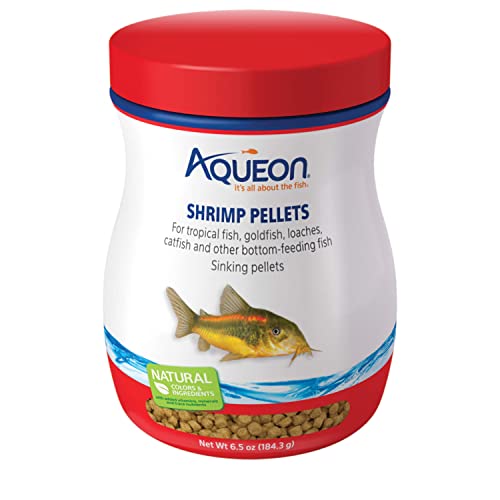
Best for: Bottom-dwelling fish, including goldfish, loaches, and catfish. The sinking format helps ensure consistent bottom feeding, and the product emphasizes nutrition that reduces waste. Best when used as part of a varied diet to support overall health. Limitation: Some users report preference variation among different fish species; observe appetite and adjust portions accordingly.
Hikari Sinking Wheat Germ Pellets

Best for: Cold-weather feeding and households needing a versatile sinking option. The formula is vitamin-rich and designed for better assimilation, supporting fertility and vitality in cooler temperatures. It is a strong choice for ponds that experience variable seasonal temperatures. Caution: Wheat germ-based pellets may not meet all nutritional requirements for fast-growing koi; consider supplementing with species-specific foods as needed.
yizeril Floating Goldfish Food Pellets

Note: This product is listed as floating, not sinking. It is included here to help contrast with sinking options and illustrate how some ponds may benefit from dual feeding methods. Best for: Goldfish with a preference for surface feeding or seasons when some fish still feed at the top. Caution: If you specifically need a sinking diet, this product may not meet that requirement.
Buying Guide: Key Considerations For Sinking Pond Foods
- Feeding behavior: Choose sinking pellets if most fish prefer feeding at the bottom or are stressed during introductions.
- Pond temperature: Warmer months favor sinking formulas, while cooler seasons may benefit from specially formulated cold-water sinking options.
- Fish variety: Koi and larger goldfish often require higher-protein, larger pellets; smaller species may do better with smaller sinking pellets to avoid overfeeding.
- Water quality: Opt for foods designed to minimize waste and water-column nutrients. Look for low-ash formulas and clear feeding guidance to reduce sludge buildup.
- Serving size: Start with small portions, observe feeding behavior, and adjust to prevent uneaten food from decaying in the pond.
- Container and storage: Use predator-proof containers and store in a cool, dry place. Proper storage helps maintain pellet integrity and prevents spoilage.
Frequently Asked Questions
- Q: Do sinking pellets work for new pond fish? A: Yes, sinking pellets are well-suited for new fish that may not feed at the surface yet. They support gradual acclimation while ensuring nutrition reaches bottom-dwelling fish.
- Q: How often should I feed sinking pellets? A: Typically three times per week for newly added fish; follow the product’s specific feeding instructions and adjust for pond size and fish activity.
- Q: Can sinking pellets cause water quality issues? A: Overfeeding can contribute to waste and ammonia buildup. Use measured portions and remove leftovers promptly.
- Q: Are all sinking pellets the same in nutrition? A: No. Look for protein levels, ingredients, and feeding guidelines. Some formulations emphasize vitamins or cold-weather compatibility.
- Q: Should I mix sinking and floating foods? A: Mixing can accommodate different feeding behaviors, but ensure it aligns with your pond’s digestion and waste management plan.
- Q: Which size pellet is best for my pond? A: Choose pellet size based on fish mouth size and species. Larger fish require larger pellets for efficient feeding.