Choosing the right sand substrate is essential for both aesthetics and the health of aquatic life. The following selections are among the most suitable sands for freshwater and saltwater tanks, offering safe composition, good grain size, and easy maintenance. This guide highlights five strong options, detailing key features to help you compare at-a-glance and pick the best fit for your setup.
Summary of chosen products:
| Product | Brand | Type | Size | Key Benefit |
|---|---|---|---|---|
| Aqua Natural Sugar White Sand | Aqua Natural | White Sand | 10 lb | Triple washed, no toxins, zero fines |
| YISZM Aquarium Sand | YISZM | Beige Sand | 2 lb | Safe for aquatic life, multiple colors |
| Aqua Natural Galaxy Sand Bio-Substrate | Aqua Natural | Bio-Substrate | 5 lb | Seeded with nitrifying bacteria |
| Carib Sea Super Natural Moonlight Sand | Carib Sea | Natural White Sand | 5 lb | Ph neutral, no dyes |
| CLASSIC SAND & PLAY Natural Aquarium Sand | CLASSIC SAND & PLAY | Fine Sand | 20 lb | Pre-washed, supports filtration |
Aqua Natural Sugar White Sand

Aqua Natural Sugar White Sand is triple washed and kiln dried, resulting in a clean substrate with no toxins or foreign matter. The 0.5–1 mm grain size minimizes dust and prevents excessive substrate drift. It is 100% natural and ethically sourced in New Zealand, making it suitable for both freshwater and marine setups that favor a bright, neutral backdrop.
YISZM Aquarium Sand, Beige

YISZM offers a premium beige sand designed to enhance natural tank aesthetics. Available in multiple colors (Black, White, Beige) and weights (2–20 lbs), it suits tanks of various sizes. The sand is formulated to be safe for aquatic life and provides a comfortable substrate for fish, plants, and decor, supporting both hobbyist and more complex planted tanks.
Aqua Natural Galaxy Sand Bio-Substrate

Galaxy Sand Bio-Substrate is seeded with bio-active live nitrifying bacteria, designed to cycle an aquarium quickly. The embedded bacteria support the establishment of a healthier microbial ecosystem, promoting stable water parameters. This substrate combines aesthetics with practical bio-activation, which can help establish a balanced environment for both fish and plants.
Carib Sea Super Natural Moonlight Sand
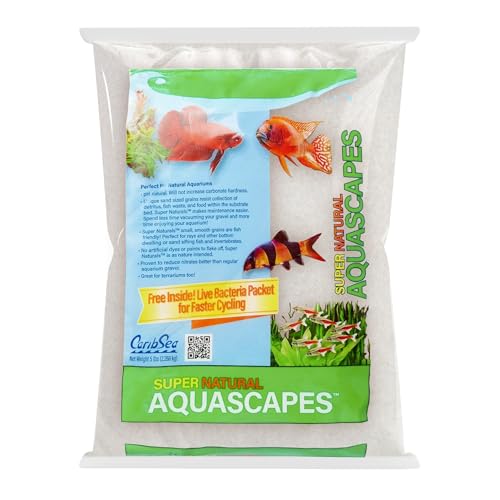
Moonlight Sand by Carib Sea provides a natural white tone that helps create striking color contrasts in aquariums. With a pH-neutral profile and no dyes or paints, it is suitable for both freshwater and saltwater setups. The clean composition supports a wide range of inhabitants and decor themes, from bright planted tanks to reef-inspired displays.
CLASSIC SAND & PLAY Natural Sand

Classic Sand & Play Natural Aquarium Sand is pre-washed and kiln dried, designed for easy maintenance and compatibility with both freshwater and saltwater filtration. The fine grain helps reduce detritus buildup while maintaining a clean, natural look. It’s safe for various fish and plants, enabling flexible tank designs.
Buying Guide: Key Purchase Considerations
- Tank type compatibility: Some sands are formulated specifically for freshwater setups, while others are better suited for marine environments. Check pH neutrality and mineral composition to avoid disruptions to your water chemistry.
- Grain size and texture: Fine sands are visually soft and good for tetras and small fish, but can compact and trap debris. Coarser sands offer stability for burrowing species and better filtration flow but may look less natural in planted tanks.
- Biological considerations: Substrates seeded with nitrifying bacteria can aid cycling in new tanks, reducing cycling time and stabilizing water parameters.
- Dust and fines: A substrate with zero or very low fines minimizes clouding and drift, making maintenance easier and keeping the aquarium visually clear.
- Aesthetic goals: The substrate color should complement décor, hardscape, and lighting. White or light sands reflect light, creating a brighter aquascape, while beige or darker sands can provide contrast for vivid plants.
- Maintenance and cleaning: Pre-washed and kiln-dried options generally require less initial cleanup. Consider whether you prefer a substrate that’s easy to siphon and rinse during water changes.
- Ecological footprint: If sustainability matters, look for sands ethically sourced or produced from environmentally responsible sources, with clear notes on origin and processing.
Additional Considerations: Depth, Aquascaping, and Compatibility
Depth matters: a shallow layer (1–2 inches) is often enough for planted tanks, while deeper substrates support roots and certain species. For reef or heavily planted setups, a layered approach—denser base with a finer top layer—can optimize filtration and plant growth. Always ensure compatibility with filter types and lighting to prevent clouding and promote a healthy ecosystem.
Why Substrate Quality Affects Tank Health
Substrate quality influences water chemistry, provides a habitat for beneficial bacteria, and affects the health of fish and plants. Substrates that are inert or near-neutral help maintain stable pH levels, while active substrates can contribute buffering capacity. The right sand also minimizes toxin buildup and supports a natural digging or rooting behavior in many species.
Maintenance Tips for Sand Substrates
- Rinse new sand if recommended by the seller to reduce initial cloudiness.
- Use a gentle siphon during water changes to prevent disturbing bottom dwellers.
- Monitor water parameters regularly after introducing new sand, especially in reef setups.
- Consider a light to moderate substrate layer in planted tanks to balance root growth and water flow.
Selecting the right sand depends on tank type, inhabitants, and maintenance preferences. The five options above provide a spectrum of color, texture, and biological benefits to help you establish a healthy and visually appealing aquarium.