Maintaining a thriving saltwater aquarium requires accurate, reliable water testing. The right testing equipment helps you monitor pH, ammonia, nitrite, nitrate, and other critical parameters, preventing invisible problems that can stress or harm reef inhabitants. Below are five dependable options spanning master test kits, individual parameter strips, and multi-parameter meters. Use these tools to keep water conditions stable, support coral growth, and protect your livestock.
| Product | Brand | Key Benefit |
|---|---|---|
| API Saltwater Master Test Kit 550-Test | API | Comprehensive range for pH, ammonia, nitrite, nitrate |
| API Reef Master Test Kit | API | Reef-focused parameters including calcium and carbonate hardness |
| DIPSTIK 7-Way Test Strips | DIPSTIK | Fast 7-parameter checks for quick daily monitoring |
| API 5-IN-1 Test Strips | API | All-in-one strips for easy weekly checks |
| AAwipes 8-in-1 Test Kit | AAwipes | Eight parameters with high-contrast color readouts |
The following sections highlight five top picks, explaining what each kit covers, how to use it, and what to consider when choosing the right testing setup for your saltwater tank.
API Saltwater Master Test Kit 550-Test
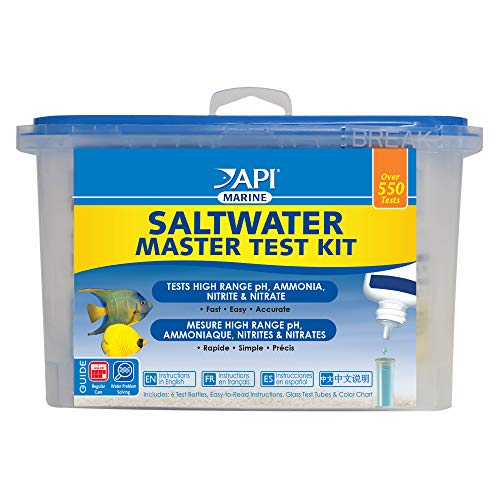
The API Saltwater Master Test Kit provides a broad testing suite in one package. It includes six bottles of testing solution, a color card, and four test tubes with caps. This kit focuses on four vital parameters for saltwater aquariums: high-range pH, ammonia, nitrite, and nitrate. It is designed to help prevent invisible water problems that can be harmful to fish and corals, enabling timely adjustments to maintain a stable environment for marine life.
API Reef Master Test Kit
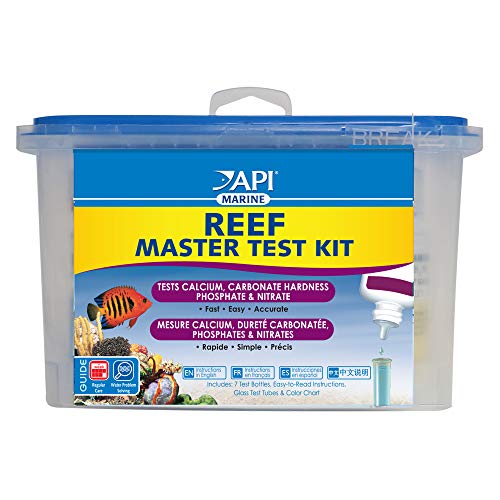
This reef-focused kit expands monitoring to support calcium and carbonate hardness, along with nitrate and phosphate—critical for corals and calcareous invertebrates. The Reef Master Test Kit comes with seven bottles of testing solution, two color cards, and four test tubes with caps. Regular use helps maintain the water chemistry necessary for skeletal growth and vibrant coloration, reducing the risk of coral bleaching and stocking losses.
AAwipes 8-in-1 Aquarium Test Kit
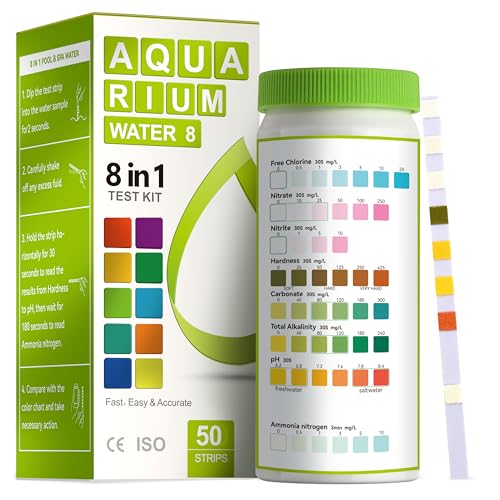
The AAwipes kit provides eight parameters, including pH, ammonia nitrogen, nitrite, nitrate, alkalinity, total hardness, carbonate, and chlorine. It uses high-quality test strips designed for quick and clear results. The strips are suitable for both freshwater and saltwater environments, making them a versatile option for hobbyists who manage mixed tanks or multiple displays. Results are generated in minutes, helping you act fast when water quality shifts.
API 5-IN-1 Test Strips

The API 5-IN-1 Test Strips offer a broad, easy-to-use option for periodic checks. They monitor pH, nitrite, nitrate, carbonate, and general water hardness. Dip the strip, compare colors, and read results quickly. This kit is well-suited for hobbyists who want a straightforward, low-effort way to keep close tabs on essential water quality without handling liquids.
API Ammonia 130-Test (Freshwater and Saltwater)
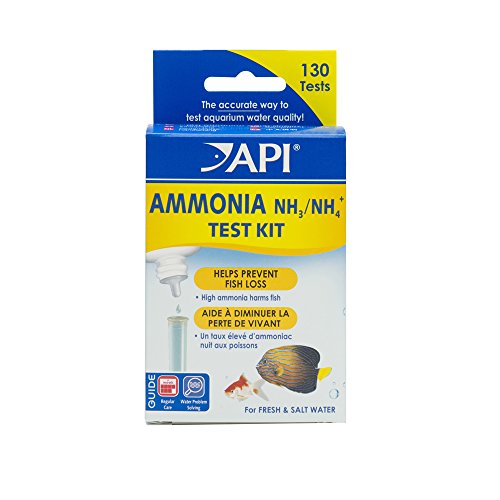
The API Ammonia 130-Test kit is designed to monitor and manage ammonia levels accurately. It includes two bottles of testing solution, two color cards, and one test tube with cap. The kit covers the ammonia range from 0 to 8 ppm (mg/L), helping users detect toxicity early and take corrective steps to protect fish and invertebrates in both saltwater and freshwater setups.
Buying Guide: Key Purchase Considerations
- Scope of testing: Decide whether you need a master kit covering multiple parameters, or individual strips for quick checks. Master kits reduce the guesswork for new tanks, while strips offer rapid monitoring for ongoing maintenance.
- Parameter relevance: For reef tanks, prioritize calcium, alkalinity, magnesium, nitrate, and phosphate. For fish-only systems, ammonia, nitrite, nitrate and pH are often the most critical.
- Accuracy and readability: Look for clear color charts, stable color development, and minimal color bleeding. High-contrast, easy-to-interpret results save time and reduce errors.
- Test frequency: Beginners may test daily after a new setup, then weekly as stability improves. Strips can be convenient for frequent checks, while liquid kits may be better for precise measurements.
- Tank size and stocking level: Larger or more heavily stocked tanks require more frequent monitoring, especially during cycles, introductions, or parameter shifts after water changes.
- Ease of use: Consider the number of steps, required solutions, and whether the kit fits your routine. Simpler kits reduce the risk of misreadings.
- Premium vs. budget: Master kits with solutions and color cards tend to be more accurate but costlier. Strips provide quick checks at a lower price point but may require careful interpretation.
- Maintenance compatibility: Ensure your chosen kit aligns with your filtration approach, dosing regime, and any reef-building supplements you use (e.g., calcium or alkalinity dosing).
When selecting testing equipment, balance accuracy, ease of use, and maintenance needs against your tank’s specific requirements. Regular testing remains a cornerstone of responsible saltwater husbandry, helping you detect problems before they impact your livestock.