Direct answer: choose a reliable ammonia test kit that offers clear results, consistent color charts, and the right range for saltwater systems. This selection guide highlights top picks for reef and marine tanks, including both liquid-reagent kits and easy-to-read test strips. The best buyers are reef keepers, hobbyists transitioning to saltwater, and those needing quick, actionable data to prevent ammonia spikes. The following picks emphasize accuracy, ease of use, and compatibility with saltwater environments.
Summary table of chosen products:
| Product | Best For | Notes |
|---|---|---|
| API Ammonia 130-Test Freshwater and Saltwater Kit | General saltwater monitoring | Established liquid kit with ammonia range 0-8 ppm |
| API Saltwater Master Test Kit 550-Test | Comprehensive saltwater testing | Monitors pH, ammonia, nitrite, nitrate |
| Salifert AMPT Ammonia Test Kit | Accurate, quick ammonia checks | Includes vial, syringe, reagent |
| Hanna Marine Ammonia Checker HI784 | Fast, digital ammonia readings | Single-button, LCD display |
| AAwipes 8-in-1 Aquarium Test Strips (K02-100) | All-in-one convenience | 8 parameters; ammonia included |
API Ammonia 130-Test Freshwater and Saltwater Kit
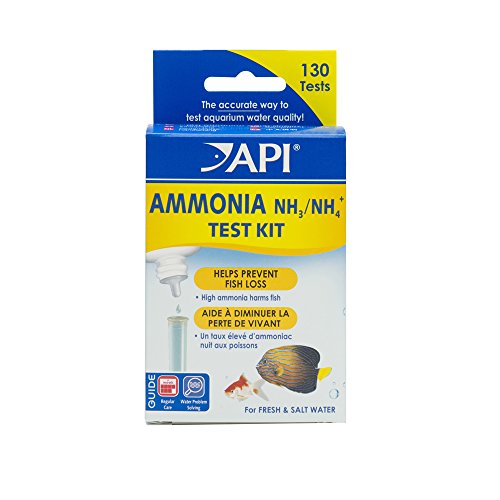
This liquid-based kit provides 130 tests designed for freshwater and saltwater use. It includes two bottles of testing solution, two color cards, and a test tube with cap. It is best for hobbyists who want a traditional, colorimetric ammonia readout and a broad testing history alongside other liquid test components. Use this kit when you prefer gradual, lab-style testing and straightforward results in parts per million (ppm).
Who it is best for: new and experienced saltwater keepers seeking a trusted, long-standing ammonia test kit with clear results. Why selected: it offers a familiar, economical path to monitor ammonia over time and supports both freshwater and marine environments. Caution: results depend on strict adherence to timing and color interpretation; user error can affect readings.
API Saltwater Master Test Kit 550-Test
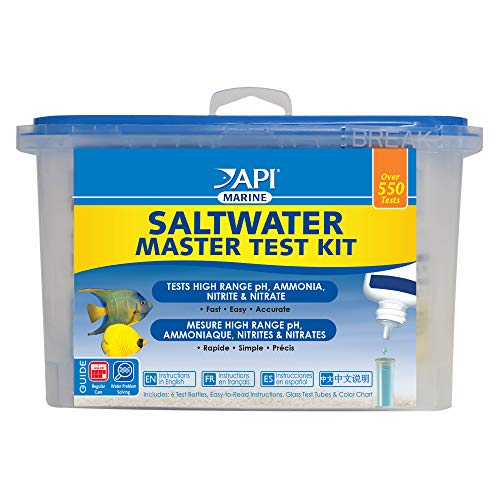
This comprehensive kit focuses on the four vital saltwater parameters: pH, ammonia, nitrite, and nitrate. It includes six bottles of testing solution, a color card, and four test tubes, offering extended testing capability in one package. Best for: hobbyists who want a compact master test solution that covers the most common water quality indicators for reef and marine tanks.
Why selected: a single kit streamlines routine testing and helps maintain a stable environment. Limitation: it does not list alkalinity or other parameters beyond the four core measures, so additional tests may be needed for full water chemistry monitoring.
Salifert AMPT Ammonia Test Kit

Salifert AMPT is recognized for fast, easy, and accurate ammonia testing. The kit includes a test vial, measuring syringe, and reagent, with an emphasis on delivering precise ammonia measurements for marine systems. Best for: hobbyists who want reliable, repeatable ammonia results with equipment designed for marine aquariums. Why selected: the kit’s design supports quick checks that integrate into daily tank maintenance. Caution: only as accurate as the user’s sample handling and timing; be consistent with steps.
Hanna Marine Ammonia Checker HI784

The Hanna HI784 Marine Ammonia Checker offers digital readings that many users find faster and easier to interpret than color charts. It features a single-button operation and a large LCD display. Best for: saltwater keepers who prioritize speed and digital accuracy, especially for reef tanks with sensitive livestock. Why selected: higher precision potential and repeatable results. Limitation: higher upfront cost and ongoing calibration considerations compared to colorimetric kits.
AAwipes 8-in-1 Aquarium Test Strips (K02-100)

AAwipes 8-in-1 test strips provide a broad panel, including ammonia, along with pH, nitrates, nitrites, alkalinity, hardness, carbonate, and chlorine. The kit is designed for quick results with color matching. Best for: users who want a fast, all-in-one option and are comfortable interpreting color charts across multiple parameters. Why selected: convenience and coverage; caution: strips can be less precise than liquid reagents for ammonia in sensitive systems, so confirm dubious results with a second method.
Buying Guide: Key Factors To Consider
- Test type: Liquid-reagent kits offer precise colorimetric readings, while digital meters provide quick, numeric results.
- Parameter scope: For saltwater tanks, ammonia is critical, but consider whether you also need pH, nitrite, nitrate, alkalinity, and phosphate.
- Range and precision: Ensure the kit covers the expected ammonia range for your tank and provides clear interpretation guides.
- Ease of use: Look for straightforward steps, defined timing, and minimal risk of user error.
- Cost of ongoing use: Reagents, strips, and calibration may affect long-term costs; balance with accuracy needs.
- Maintenance and care: Some devices require monthly calibration or careful storage to maintain accuracy.
- Compatibility with saltwater: Verify that the kit is labeled for saltwater use to ensure accuracy in marine environments.
Which kit should you choose?
For beginners seeking reliability and simplicity, the API Ammonia 130-Test Kit or the API Saltwater Master Test Kit provide clear color charts and a familiar workflow. For hobbyists prioritizing speed and digital readings, the Hanna Ammonia Checker offers quick, easy results at a higher upfront cost. If you want broad parameter coverage in one package, the AAwipes 8-in-1 Strips deliver convenience, with the caveat of potential variability across different parameter readings. Advanced hobbyists who demand precision may prefer the Salifert AMPT kit for focused ammonia testing with dedicated tools.
Practical testing tips
- Always follow manufacturer timing exactly to avoid skewed results.
- Rinse tubes or vials between tests to prevent cross-contamination.
- Store reagents in a cool, dry place away from direct sunlight and moisture.
- Record results to track trends and detect gradual ammonia buildup.
Frequently asked questions
- Q: How often should I test ammonia in a saltwater tank? A: Test regularly, especially after new livestock, water changes, or filtration adjustments—typically 1-2 times per week for active systems.
- Q: Which is more accurate, liquid tests or strips? A: Liquid tests generally offer greater precision; strips are faster but can be less consistent for ammonia.
- Q: What ammonia level is safe for most saltwater tanks? A: Most marine systems aim for ammonia near 0 ppm; any detectable ammonia warrants investigation.
- Q: Can digital meters replace chemical tests entirely? A: Digital meters are helpful for quick checks, but periodic validation with a chemical kit is still recommended.
- Q: Should I test ammonia with every water change? A: It’s prudent to test ammonia after major changes, but routine weekly checks are common in many setups.
- Q: Do these kits work for reefs? A: Yes, many listed products are suitable for saltwater and reef environments when used as directed.