Choosing the right substrate is essential for stability, buffering, and aesthetic appeal in saltwater and reef tanks. This guide highlights five proven substrates, outlining who they’re best for and why they’re recommended. It’s ideal for new hobbyists building a reef setup and experienced keepers seeking dependable aragonite-based sands. The table below compares key aspects to aid quick decision-making.
| Product | Type | Best For | Notes |
|---|---|---|---|
| Aqua Natural Oolitic Aragonite 20lb | Aragonite Sand | Reef and marine tanks needing strong pH buffering | High buffering, sustainable source |
| Aqua Natural Oolitic Aragonite 10lb | Aragonite Sand | Small to mid-size tanks needing stable pH | Same buffering, smaller bag |
| AquaNatural Coarse Aragonite 20lb | Aragonite Sand | Reef and marine setups with larger grain needs | Coarser grain, sustainable |
| Coarse Aragonite 10lb Sand | Aragonite Sand | Budget-friendly option for new tanks | Phosphate free, 98% calcium carbonate |
| Classic Sand & Play Natural Aquarium Sand 20 lb | Fine Sand | Freshwater and saltwater tanks needing a clean backdrop | Pre-washed, safe for diverse inhabitants |
Note: Each product features calcium carbonate-based aragonite or natural sand designed to support stable pH around 8.2 and to promote natural biological filtration. Use the guide below to match the substrate to your tank type, livestock, and maintenance plan.
Aqua Natural Oolitic Aragonite 20lb Aquarium Sand
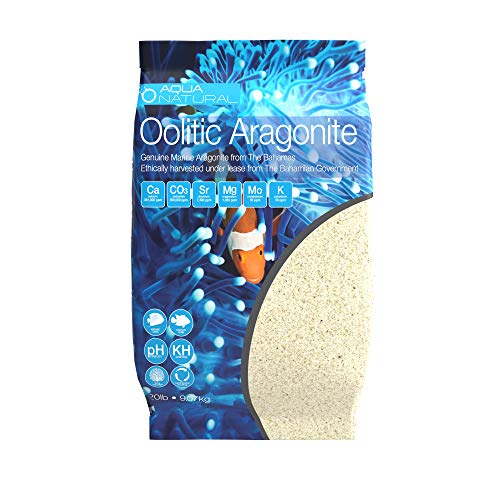
Key features include unsurpassed buffering to maintain a stable pH around 8.2, 98% pure calcium carbonate with no impurities, and a naturally renewable oolitic aragonite sourced sustainably. Best for: reef tanks and marine systems where pH stability and natural buffering are priorities. Caution: some users report fine dust during initial setup; rinse thoroughly before adding to the tank.
Aqua Natural Oolitic Aragonite 10lb Aquarium Sand

Best for smaller or nano reef tanks needing steady buffering. This smaller bag provides the same 8.2 pH stability and high-purity calcium carbonate as the 20-pound option. Best for: compact saltwater setups or schools of hobbyists testing a new reef environment. Limitation: smaller quantity may require more frequent replenishment for larger tanks.
AquaNatural Coarse Aragonite 20lb

Best for reef and marine aquariums that benefit from a coarser grain size, aiding detritus separation and stable water movement. Best for: tanks with tangs or larger invertebrates that prefer more substantial sand grains. Caution: grain size may influence sand bed depth perception and require adjustments in substrate depth during setup.
Coarse Aragonite 10lb Sand
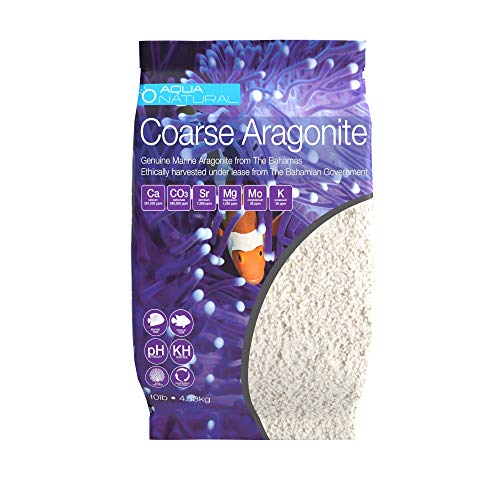
Best for budget-conscious hobbyists starting a reef or marine tank. This variant remains 98% pure calcium carbonate with phosphate-free composition, offering reliable buffering with reduced material costs. Choose this if you need a smaller footprint or initial substrate test. Limitation: lighter color may show detritus more readily in crystal-clear setups.
Classic Sand & Play Natural Aquarium Sand 20 lb

Best for mixed-use tanks needing a clean, natural backdrop. This pre-washed, kiln-dried sand is safe for various fish and plant life, helping maintain water clarity and supporting standard filtration. Best for: beginners seeking straightforward setup and broad compatibility. Caution: fine sands can shift with water movement if not properly anchored or if substrate layer is too shallow.
Buying Guide: Salt Water Substrate Essentials
What should you consider when selecting a saltwater substrate?
- Tank size and livestock: Larger tanks benefit from coarser grains to minimize compaction, while smaller tanks may use finer sands for aesthetics and comfort for invertebrates.
- Buffering and pH stability: Aragonite-based substrates provide natural buffering, helping maintain pH around 8.2—critical for coral and reef health.
- Grain size and flow: Fine sands may compact if water flow is low; moderate to high flow favors coarser grains and better detritus management.
- Source and sustainability: Look for aragonite sands sourced from sustainable quarries or natural deposits to support long-term tank health and environmental responsibility.
- Maintenance needs: Some sands require more rinsing before use; others are pre-washed but may dust during initial setup.
Substrate Type Quick Guide
- Aragonite sand: Best for buffering, natural look, reef and marine tanks.
- Fine natural sand: Aesthetically pleasing and good for freshwater or brackish setups with modest flow.
- Coarse sand: More resistant to shifting; easier to manage in tanks with higher flow and larger organisms.
Installation Tips
- Rinse and acclimate: Rinse substrates where appropriate to reduce initial cloudiness.
- Depth planning: Typical substrate depth ranges from 1 to 3 inches depending on tank inhabitants and flow.
- Monitor changes: After setup, monitor pH and alkalinity to confirm buffering performance remains stable.
FAQ: Saltwater Substrate For Your Aquarium
- Q: Do aragonite sands affect pH in reef tanks? A: Yes. Aragonite buffers the water, helping maintain a stable pH around 8.2, which is beneficial for coral and invertebrates.
- Q: Which substrate is best for a shallow reef tank with heavy bioload? A: Coarser aragonite sands tend to support better water movement and detritus management in tanks with higher bioload.
- Q: Is pre-washed sand better than raw sand? A: Pre-washed sands reduce initial cloudiness and debris, but rinsing may still be needed depending on the product.
- Q: Can I mix different sand types? A: Yes, but ensure grain sizes and flow are balanced to prevent sand clearing or detritus buildup.
- Q: How much substrate should I use? A: Depth depends on tank inhabitants and filtration; aim for 1–3 inches of aragonite or fine sand in most reef setups.
- Q: Are these sands safe for all marine animals? A: They are designed for reef and marine tanks, but always verify compatibility with your specific species and filtration system.