Direct answer: For saltwater tanks, select products that target algae growth while supporting overall water quality. The best options below balance fast algae control with safe care for fish, corals, and beneficial bacteria. They’re suited for reef and marine setups, glass tanks, and nano to larger systems. Use these as part of a regular maintenance plan to reduce green water, hair algae, and nuisance films while preserving coral health.
Buyer note: The top picks cover chemical algaecides, biological treatments, and nutrient management. Some products are best for freshwater or mixed tanks; this guide focuses on saltwater compatibility and typical reef-friendly results. A quick summary table follows to compare core capabilities and target algae types.
| Product | Best For | Algae Type Targeted | Notes |
|---|---|---|---|
| MICROBE-LIFT Algaway 5.4 | Saltwater and freshwater tanks needing fast-acting control | Green water, hair algae, string algae | EPA registered; safe for fish and plants; not ideal for some invertebrates |
| API Marine Algaefix | Marine and reef aquariums needing broad algae control | Green, red slime, brown algae | Specially formulated for saltwater systems with corals and invertebrates |
| API Algaefix (General) | General algae control in various aquariums | Green, string, and hair algae | Fast-acting; suitable for glass tanks and ornaments |
| Red Sea NO3:PO4-X | Nutrient reduction to limit algae growth | Nitrates and phosphates reduction | Supports coral health by controlling nutrient levels |
| Brightwell MicroBacter7 | Bioculture for improved water quality | General organic load and ammonia/nitrite management | Promotes beneficial bacteria; affects overall algae-prone conditions |
MICROBE-LIFT Algaway 5.4 Algae Remover

Best for: Saltwater and freshwater tanks needing fast algae control. This product targets green water, hair algae, and string algae, improving water clarity and odor. It is EPA registered and marketed as safe for fish and ornamental plants. It also supports oxygen levels to reduce stress in fish and sustain a balanced ecosystem.
Why selected: It offers rapid action against common algae forms in marine setups and is appropriate for tanks with fish and plants. It is not suitable for certain invertebrates in freshwater; consider tank inhabitants before use.
Caution: Not recommended for snails, shrimp, clams, or other crustaceans in freshwater environments. Always follow dosage directions and monitor water parameters after treatment.
API Marine Algaefix Algae Control 16-Ounce Bottle
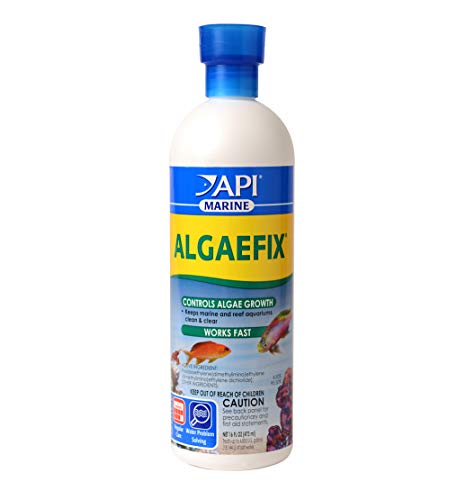
Best for: Marine and reef aquariums with mixed corals and invertebrates. Algaefix is designed to manage algae growth and keep marine environments clean and clear while supporting coral health.
Why selected: It directly targets multiple saltwater algae types common in reefs and glass tanks, helping maintain aesthetics and water clarity. Consider compatibility with delicate corals when applying, and avoid use in systems with sensitive crustaceans if guidance indicates limitations.
Caution: Test on a small area or a small tank first if introducing to a new coral or invertebrate setup. Observe residents for stress or unusual behavior after dosing.
API Algaefix Algae Control 16-Ounce Bottle
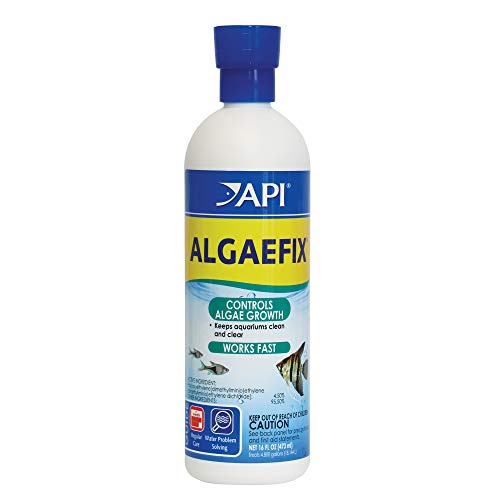
Best for: Tanks needing quick algae suppression, including green water and hair algae. This option is popular for glass aquariums with plant life or decorative elements that algae can cloud.
Why selected: The product is designed to rapidly slow algae growth and keep glass and ornaments clear. It is well-suited for users seeking a straightforward solution without complex adjustments to dosing or filtration. Avoid use if you have highly sensitive invertebrates that may react to treatment; monitor tank inhabitants closely.
Caution: Follow directions precisely to minimize potential disruption to sensitive bioloads. Not all invertebrates tolerate every algaecide ingredient equally well.
Red Sea NO3:PO4-X 500ml NOPOX

Best for: Reef aquariums focusing on nutrient management to limit nuisance algae growth. NOPOX reduces nitrates and phosphates, helping create a healthier environment for corals and invertebrates.
Why selected: Nutrient control is a proactive approach to algae prevention, complementing algaecides by addressing root causes rather than just symptoms. It supports stable water chemistry and coral growth when used as part of a broader maintenance plan.
Caution: Reducing nutrients too aggressively can affect certain organisms reliant on trace nutrients. Use as directed and monitor nitrate and phosphate levels to avoid unintended stress on inhabitants.
Brightwell MicroBacter7 Complete Bioculture

Best for: Marine and freshwater systems seeking enhanced biological filtration to reduce waste and improve water quality, indirectly aiding algae control.
Why selected: MicroBacter7 introduces a consortium of microbes and enzymes to support nitrification, denitrification, and organic waste breakdown. Improved water quality can reduce algae-friendly nutrients and contribute to a clearer aquarium ecosystem.
Caution: This product supports biological filtration but is not a direct algaecide. Use as part of a holistic approach to algae control that includes regular water testing and nutrient management.
Buying Guide: Key Factors for Saltwater Algae Control
What type of algae are you dealing with?
Identify whether you’re facing green water, hair algae, or brown/red slime. Some products target specific forms more effectively. In reef systems, avoid aggressive treatments that may stress corals and invertebrates.
How does nutrient management fit your setup?
Nitrogen and phosphorus levels drive algae growth. Consider nitrate and phosphate control products (like NO3:PO4-X) in combination with algaecides for a balanced approach. Nutrient control is often most effective over the long term.
Is your system sensitive to bioculture or chemical treatments?
Bioculture products build beneficial bacteria and enzymes, supporting water quality but not delivering instant algaecide effects. If you prefer quick results, combine with a targeted algaecide after testing water parameters.
Tank inhabitants and compatibility
Check compatibility with corals, invertebrates, and plant life. Some products are safer for fish and plants, while others may affect delicate reef organisms. Always follow label directions and observe residents after treatment.
Usage pattern and maintenance plan
Use algaecides as part of a broader maintenance routine that includes regular water testing, protein skimming, and partial water changes. A steady routine typically yields more stable results than one-off treatments.
FAQ
- Which product is best for green water in a reef tank? MICROBE-LIFT Algaway 5.4 is designed for fast action against green water and various algae forms, making it a strong option for reef or mixed marine tanks.
- Can I use algaecides with corals and invertebrates? Yes, but verify compatibility and follow dosing guidelines. Some products are formulated to be safe for corals and invertebrates, while others may require caution in sensitive systems.
- Should I combine nutrient control with algaecides? Pairing nutrient control (NO3:PO4-X) with a targeted algaecide often yields better, longer-lasting algae suppression by addressing both symptoms and causes.
- What safety steps should I take after applying an algaecide? Monitor fish, corals, and invertebrates for stress, and test water parameters (ammonia, nitrite, nitrate, phosphate). Perform any recommended water changes after treatment.
- Is a bioculture product helpful for algae control? Bioculture products improve overall water quality and reduce waste, which can indirectly reduce algae; use them as part of a comprehensive plan rather than as a sole solution.
- How often should I dose algaecides? Follow label directions and adjust based on tank response and test results. Do not over-dose, and avoid prolonged continuous use without monitoring.