Find the right rocks to support coral growth, stabilize water parameters, and create a natural, appealing reef landscape. This guide highlights five solid choices for saltwater tanks, from aragonite frag bases to decorative stone that won’t disrupt your water chemistry. Ideal buyers include reef hobbyists building frag growouts, aquascapers designing intricate reef scenes, and keepers seeking sturdy, long-lasting decorative rock.
| Product | Brand | Why It Stands Out | Best For |
|---|---|---|---|
| CaribSea Life Rock Frag Zone – 2.25 lb | Carib Sea | Natural frag mounts that blend with reef scenery and support coral attachment. | Frag growout in SPS/LPS/soft corals |
| Coarse Aragonite 10lb Sand | Aqua Natural | High buffering, stable pH around 8.2; pure calcium carbonate. | Bottom substrate for reef tanks |
| Holey Rock White Coral Ornament | Hamiledyi | Decorative, natural look with hiding spaces for small inhabitants. | Aquascaping and hideouts |
| Dry Base Rock 7lb Mix | YZHZOM | Porous surface for bacteria colonization; dry shipping minimizes pests. | Biological filtration and natural setup |
| Seiryu Dragon Stones 10lb Mix | Kecilke | Rugged texture and durable, reef-safe material. | Long-term hardscape and decorative accents |
CaribSea Life Rock Frag Zone – 2.25 lb

Best for coral frag growout in small to mid-sized tanks. These frag mounts provide a natural base that blends with established live rock, creating a mature look while giving coral fragments a stable, inviting attachment surface. The aragonite-based composition supports reef health by buffering and mimicking live rock environments.
Who it’s best for: hobbyists focusing on SPS, LPS, or soft coral frag growth in a reef-ready display. Why selected: combination of aesthetic frag mounts and reef-safe material. Caution: fragile frag rocks may require careful placement to avoid disturbance during aquascaping.
Coarse Aragonite 10lb Sand
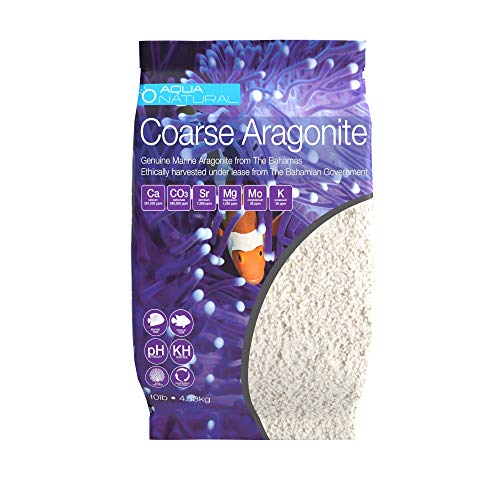
Better for substrate layers in reef tanks requiring stable pH and high purity. Its 98% calcium carbonate content and phosphate-free profile help maintain alkalinity and reduce nuisance nutrients, contributing to clear water and healthier coral environments.
Who it’s best for: reefkeepers seeking reliable buffering and a clean substrate. Why selected: outstanding buffering capacity and purity. Caution: sand placement should avoid creating detritus traps in overly deep layers.
Holey Rock White Coral Ornament

Best for decorative aquascapes that double as shelter spaces for shrimp and small fish. The rock’s two shipped styles—whole or broken pieces—offer flexible design options while maintaining a natural look and stable water conditions.
Who it’s best for: aquascapers wanting natural-looking basins and hiding places. Why selected: versatile design and color-neutral look. Caution: shipped pieces may arrive broken; this is normal and not indicative of damage.
Dry Base Rock for Aquarium White Coral Ornament

Best for a pest-free, dry-start approach to rock deployment. The mixed 7-pound package contains multiple shapes (2 pieces minimum) with a surface-porous texture ideal for beneficial bacteria growth and natural filtration.
Who it’s best for: reefkeepers who prefer a dry-start setup or want to minimize hitchhiking pests. Why selected: reduces pest risk and supports biological filtration. Caution: shape variety means planning layout ahead of time helps achieve balanced aquascapes.
Seiryu Dragon Stones 10lb Mix

Best for dramatic hardscape with rugged texture. The Seiryu and Dragon stones offer natural patterns and a durable structure that withstands long-term use in both saltwater and mixed tanks. They pair well with archs and caves for a planted-looking reef landscape.
Who it’s best for: aquascapers seeking bold contours and long-lasting pieces. Why selected: distinctive texture that injects visual interest. Caution: heavy pieces require careful handling and secure placement to prevent shifting during maintenance.
Brightwell MicroBacter Clean

Best as a maintenance supplement to support microbial activity on live rock surfaces. It uses beneficial microbes and enzymes to reduce organic waste, contributing to clearer water and healthier biofilms on reef structures.
Who it’s best for: hobbyists maintaining established live rock environments. Why selected: targeted cleaner for biological filtration and water clarity. Caution: not a substitute for routine mechanical and water-change maintenance.
Real Reef Original Rock, 10 lb Box

Best for eco-friendly, reef-safe rock with assorted shapes for flexible reef design. The calcium-carbonate composition provides natural buffering and supports bioactive surfaces for coral growth, while the mixed sizes allow creative layouts for small tanks or nano-reef setups.
Who it’s best for: reef builders wanting a natural, sustainable rock selection. Why selected: variety supports many layout options while maintaining reef-appropriate chemistry. Caution: 10 lb box may require splitting across multiple aquariums or larger tanks for optimal use.
Buying Guide: Rocks For Saltwater Tanks
What type of rock best fits my goal?
For frag growth and natural attachment surfaces, choose aragonite-based frag rocks or dry base rocks with porous surfaces. If you want a dramatic landscape with hiding places, decorative stones like holey rocks and Seiryu/Dragon stones provide texture and structure.
How does rock chemistry affect my tank?
Aragonite and calcium carbonate rocks buffer pH and alkalinity, helping stabilize water chemistry. Substrates with high purity and low impurities minimize nutrient spikes. Avoid rocks with unknown contaminants or heavy metals.
How important is porosity and surface area?
Porous rocks offer more surface area for beneficial bacteria, enhancing biological filtration. They also provide microhabitats for invertebrates and coral frag attachment.
What maintenance considerations matter?
Porous or rough rocks may accumulate detritus; plan for mechanical filtration and regular cleaning. Dry rocks reduce hitchhiker pests but require curing or acclimation if you want them fully functional in saltwater.
How should I plan layout and stability?
Weigh heavy rocks to prevent shifting; use aquascaping adhesives or secure stacks if necessary. Create caves and arches to encourage natural behavior and coral placement while maintaining water flow around the rockwork.
What about size and tank compatibility?
Choose rock sizes that fit your tank dimensions and coral layout. For nano tanks, select smaller pieces with multiple shapes to maximize design options while preserving flow and filtration capacity.
Quick tips for new aquarists
- Rinse rocks thoroughly before placement to remove dust or residue.
- Place larger pieces on the bottom for stability and smaller pieces on top for visual interest.
- Monitor pH and alkalinity after introducing new rocks to anticipate buffering effects.
FAQ
- Do these rocks affect water chemistry significantly?
Aragonite-based rocks are known to buffer pH and alkalinity, helping stabilize reef conditions, especially in new tanks. Decorative rocks typically have minimal chemical impact beyond their surface texture.
- Can I use these rocks in both saltwater and reef tanks?
Yes. Most listed options are reef-safe and suitable for saltwater aquariums, with attention to frag mounting, porosity, and stability.
- Are dry base rocks safe to introduce directly into a tank?
Dry rocks reduce hitchhiking pests and can be introduced after curing or acclimation to ensure biological filtration readiness.
- What is the best rock for coral frag attachment?
Rubble or frag mount rocks with porous surfaces provide stable attachment sites and promote growth for SPS, LPS, and soft corals.
- Should I mix rock types in my tank?
Yes. A combination of frag mounts, substrate rock, and decorative hardscape can create a balanced, natural reef look while supporting diverse biological processes.
- How do I prevent rock debris from harming corals?
Maintain good water flow around rocks, perform regular water changes, and clean detritus buildup to preserve water clarity and coral health.