Creating a striking saltwater aquarium relies on choosing natural, safe, and durable rocks that complement coral and fish while preserving water quality. The following picks are among the most popular natural options, offering texture, color, and structural features for reef-inspired and general marine tanks. This article highlights five well-suited rocks and decorative elements, with quick buying guidance to help you compare options.
| Product | Brand | Key Benefit | Notes |
|---|---|---|---|
| Natural Aquarium Rocks 5LB Dragon Stone Rock Decoration | Unocho | Honeycomb texture and natural beauty | Seiryu/Dragon Stone; suitable for saltwater and freshwater |
| Aqua Natural Oolitic Aragonite 10lb Sand | Aqua Natural | Excellent buffering; stable pH | Pure calcium carbonate; reef-friendly |
| Eorbow Seiryu Stone, 12lb | Eorbow | Natural gray/white patterns; varied sizes | Decorative rocks for tanks, terrariums, paludariums |
| FANTIAN 5 lbs Natural Aquarium Rocks | FANTIAN | Mixed colors; safe, non-toxic | 2–3 inch size; versatile for habitats |
| VOKOY Natural Dragon Stones, 2.5lb | VOKOY | Honeycomb texture; multiple stones per package | 2–4 inch stones; easy to arrange landscapes |
Natural Dragon Stone Rocks For Aquariums

Unocho’s Natural Aquarium Rocks feature Dragon Stone, also called Seiryu Stone, with honeycomb-like pores and rich textures formed by natural river erosion. This rock type is prized for its striking appearance and natural feel. It does not alter water chemistry and can help support water hardness and pH balance, making it a practical decor option for saltwater tanks. Versatility is a key strength, as Ohko Stone works well in both freshwater and saltwater setups and can form caves, archways, or layered landscapes to mimic natural ocean floors.
Aqua Natural Oolitic Aragonite Sand 10lb

This 10-pound bag of oolitic aragonite sand provides usefully high buffering capacity, helping to stabilize pH around 8.2. The sand is 98% pure calcium carbonate with no impurities, sourced from a sustainable environment. In reef and marine tanks, aragonite sands support natural buffering and provide a substrate that promotes beneficial bacterial growth while offering a visually light, bright base for corals and invertebrates.
Eorbow Seiryu Stone for Aquariums

Eorbow Seiryu Stone is a natural rock option ideal for decorative aquascapes, terrariums, and paludariums. Stones are pre-cleaned and acid-treated to minimize mineral dissolution in water, ensuring compatibility with saltwater environments. The package includes a mix of sizes from 2 to 8 inches, allowing you to craft layered landscapes—shaded caves, ridge lines, and natural-looking rock arches that enhance the sense of depth in your tank.
FANTIAN Natural Aquarium Rocks, 5 Lbs
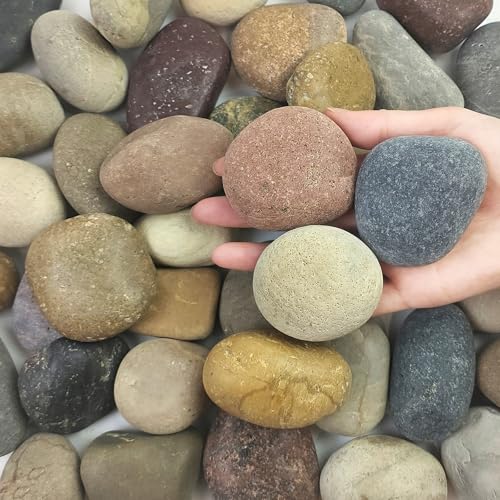
FANTIAN offers 5 pounds of natural, 2–3 inch river rocks in a mix of colors. These non-toxic stones are unpolished and free from added fillers or dyes, preserving a natural look over time. They’re reusable and resistant to fading, with colors that display differently when dry and wet. The stones’ weight and shape help create varied habitats, from gentle slopes to sheltered crevices that fish and invertebrates can explore.
VOKOY Dragon Stones, Natural Aquarium Rocks

VOKOY’s dragon stones provide a compact, flexible option for landscape design in saltwater tanks. Each 2.5-pound package includes multiple stones, typically 2–4 stones per pack, with honeycomb textures and natural gray/white/black patterns. They are straightforward to use—simply rinse and position them to build mountains, underwater gardens, or cave systems that encourage natural behavior in fish and invertebrates while maintaining water quality.
Buying Guide
Key considerations when selecting rocks for a saltwater aquarium include material safety, chemical stability, aesthetic goals, and ease of maintenance. Safety first: look for rocks labeled as non-toxic and suitable for marine environments. Avoid rocks with high soluble minerals that could alter salinity, pH, or alkalinity. Porous stones like dragon/Seiryu rocks offer natural hiding spots but may require more thorough cleaning before use to remove dust and potential contaminants.
Chemical stability and buffering capacity matter, especially in reef or mixed tanks. Aragonite sands and calcium carbonate rocks help stabilize pH and alkalinity, supporting SPS/LPS corals and invertebrates. Texture and color influence how you place rockwork to create caves, arches, and gentle slopes. Consider combination layouts—larger, rugged pieces for structure and smaller stones for detail and cover.
Size, weight, and tank dimensions affect how you assemble landscapes. In smaller systems, proportionate rock sizes prevent overcrowding and reduce the risk of shifts during maintenance. Ensure rocks are clean and free of coatings or residues that could leach impurities. For ease of setup, some buyers prefer mixed-size packs that deliver immediate variety and can be rearranged as your tank matures.
Maintenance wise, plan for routine cleaning of porous rocks to prevent detritus buildup. Saltwater systems benefit from stable water chemistry, so consider rocks that do not require aggressive cleaning or long cure times. Finally, aesthetics should align with your overall theme—natural reef textures pair well with bright corals, while darker stone tones suit moody, aquascaped landscapes.
Additional Perspectives
- Compatibility: Dragon stones and Seiryu rocks are visually striking but may affect mineral balance if used in large quantities; balance with aragonite or coral-safe substrates.
- Maintenance: Porous stones trap detritus; plan regular siphoning and gentle brushing during water changes to keep surfaces clean.
- Placement: Use larger stones as structural anchors and place smaller rocks to create microhabitats, ensuring stability to prevent tipping.
- Aesthetics: For a natural reef look, combine gray/white Seiryu rocks with lighter sand and vibrant corals or macroalgae.
- Cost and availability: Some natural rocks may vary in texture and size; budgeting for a mix of stones can help you achieve the desired landscape without overcommitting.