Phosphate buildup can fuel unwanted algae growth and disrupt balanced aquatic ecosystems. This article highlights practical phosphate removers and how to choose the right product for your reef, community, or freshwater setup. Below you’ll find five top-rated options, a quick comparison, and a buyer’s guide to help you select the best phosphate control strategy for your tank.
Summary of selected products:
- Brightwell Aquatics Phosphat-E Liquid Phosphate Remover (16.9 fl oz)
- Seachem PhosBond Phosphate Silicate Remover (250 ml)
- D-D Rowaphos Phosphate Remover (1000 ml)
- Fluval ClearMax Phosphate Remover (3-Pack, 100 g each)
- Kolar Labs GFO Bayoxide E33 Phosphate Remover (250 g)
Brightwell Aquatics Phosphat-E 16.9 Fl Oz

Brightwell Aquatics Phosphat-E is a liquid phosphate remover designed for marine and reef aquariums. It provides enhanced phosphate elimination to manage elevated concentrations in heavily stocked systems. The product acts quickly to reduce reactive phosphate, supporting ongoing phosphate reduction in reef and marine setups. After dosing, you may observe a temporary, mild cloudiness and test kits can show false positives due to chemical interactions; these effects are normal and temporary while the filtration chemistry stabilizes.
Key considerations include compatibility with a wide range of inhabitants and the potential need to monitor test results carefully after initial dosing. For best results, follow dosage guidelines tailored to your tank’s bioload and routinely test phosphate levels to track progress. This product is positioned as an efficient, ongoing solution for phosphate control in established aquariums, especially those with higher nutrient loads.
Seachem PhosBond Phosphate Silicate Remover (250ml)

Seachem PhosBond is a media-based phosphate and silicate remover designed for use in both marine and freshwater aquariums. This product is a practical choice for hobbyists seeking a straightforward filter media that rapidly reduces phosphate and silicate concentrations. Its effectiveness spans reef tanks and freshwater setups, making it versatile for mixed or transitioning systems. When using media like PhosBond, expect a period of adjustment as phosphates bind to the media and may require periodic replacement to maintain performance.
Users should consider media placement within canister or sump filtration, flow rate, and compatibility with existing filtration media. Regular testing remains essential to determine replacement timing and to ensure the targeted phosphate reduction aligns with your tank’s nitrate and overall nutrient balance.
D-D Rowaphos Phosphate Remover (1000ml)

Rowaphos is a widely recognized phosphate remover used across marine and reef tanks. It features a robust absorption capacity and is a staple in many international aquariums. Large-volume options are available, making it suitable for larger systems or ongoing phosphate management. Rowaphos is typically dosed by immersion in a filter bag within the sump or high-flow area of the filtration loop, where it adsorbs phosphate efficiently over time. Users should monitor phosphate levels and replace the media as needed to maintain consistent performance.
Considerations include how frequently the media needs replacement, potential impacts on flow, and ensuring compatibility with other filtration components. As with other media, it is part of an integrated phosphorus control plan that includes routine testing and water parameter management.
Fluval ClearMax Phosphate Remover (3-Pack)
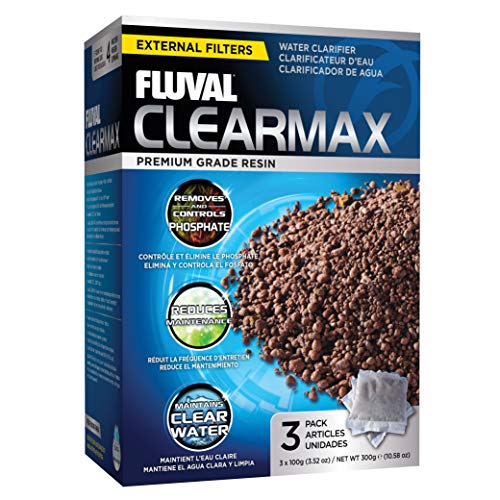
Fluval ClearMax is a premium resin-based filter media designed to absorb phosphate, nitrite, and nitrate. Sold in a three-pack, it provides a convenient and steady source of phosphate reduction for compatible Fluval canister systems. In addition to phosphate removal, ClearMax helps clarify water and reduces odors, contributing to an overall healthier aquarium environment. It’s particularly popular for tanks that require regular maintenance simplification and clearer water experiences for both fish and planted setups.
For optimal outcomes, ensure media compatibility with your filter model and replace media as recommended to maintain performance. Regular water testing remains important to prevent rebound nutrient levels and to coordinate with other maintenance tasks.
Kolar Labs GFO Bayoxide E33 Phosphate Remover (250 g)

Kolar Labs Bayoxide E33 is a granular ferric oxide (GFO) phosphate remover designed for both freshwater and saltwater aquariums. Its high-quality GFO formulation targets phosphate removal efficiently and is suitable for reef tanks, freshwater setups, and ponds. The product emphasizes safe use across a variety of aquarium environments, with attention to maintaining a healthier and cleaner aquarium water column. The media’s adsorption capacity is best realized with proper flow and media replacement schedules aligned to tank volume and phosphate levels.
Key purchasing considerations include tank type (saltwater vs. freshwater), desired maintenance cadence, and compatibility with other filtration media. Regular phosphate testing will help determine when to replace or refresh the media for continued effectiveness.
Buying Guide: Key Considerations For Phosphate Removal
- Tank type and bioload: Reef and heavily stocked systems typically require more aggressive phosphate control than lightly stocked freshwater tanks.
- Form factor: Liquids, resins, and granular media each suit different filtration setups (sumps, canisters, or media reactors). Choose a form that integrates smoothly with your existing equipment.
- Certificate of safety and compatibility: Ensure the product is labeled safe for invertebrates, corals, fish, and plants in your tank. Check for any potential impacts on pH, alkalinity, or salinity.
- Frequency and maintenance: Some media require regular replacement or re-dosing. Plan a maintenance schedule that aligns with your testing results and tank needs.
- Testing routine: Regular phosphate testing is essential. Consider using a reliable test kit and perform tests after initial dosing to track progress and avoid rebound.
- System balance: Phosphate removal should be part of a holistic nutrient management plan including nitrate control, carbon dosing considerations, and macro/micro-nutrient balance for planted or reef environments.
- Cloudiness and readings: Some treatments can cause temporary cloudiness or test anomalies. Understand these potential side effects and monitor water parameters accordingly.
- Flow and placement: Ensure adequate water flow around media to maximize contact with phosphates. Avoid clogging or bypassing of the media by alignment with your filter design.
The goal is to maintain stable, algae-free water while preserving beneficial organisms. By selecting an appropriate phosphate remover and following a structured maintenance plan, hobbyists can achieve clearer water, healthier inhabitants, and a balanced aquarium ecosystem without guesswork.