Looking for red root floater options to brighten a freshwater tank? You’ll find several robust choices that add striking red roots, surface coverage, and natural filtration. This guide highlights five top red root floater plants suited for common home aquariums, with clear reasons to pick each and practical limitations to consider. It’s ideal for hobbyists seeking visually striking floaters that help manage nutrients and light diffusion in small-to-medium tanks.
| Product | Leaves or Coverage | Best For |
|---|---|---|
| Aquarigram 60+ Leaves Red Root Floater | 60+ leaves | Medium tanks needing quick, dense canopy |
| Live Red Root Floater Aquarium Plant (80+ Leaves) – Midnight Glo | 80+ leaves | Beginners and seasoned hobbyists seeking vibrant color |
| Red Root Floater Live Aquarium Plants, Phyllanthus Fluitans (60+ Leaves) | 60+ leaves | Balanced tanks needing nutrient uptake |
Aquarigram 60+ Leaves Red Root Floater

The Aquarigram Red Root Floater is a dense floating plant designed for medium tanks seeking rapid surface cover. It advertises 60+ leaves, which translates to a lush green-to-red canopy as lighting increases. Best for aquariums where nutrient uptake helps regulate ammonia, nitrates, and metals. The product is backed by a live-arrival guarantee, which is valuable for first-time floaters who want assurance on delivery health. Consider this choice if you want immediate visual impact with strong nutrient-removal potential, especially in tanks with moderate to high lighting.
Who it’s best for: hobbyists seeking quick, dense surface coverage and a plant that actively participates in water quality management. Caution: high-density growth may require occasional thinning to prevent light deprivation for lower layers of water.
Live Red Root Floater Aquarium Plant (80+ Leaves) – Midnight Glo

The Midnight Glo Red Root Floater offers a larger leaf set and vibrant red roots that stand out in low to moderate lighting. This plant is well-suited for beginners expanding their floating plant selection or seasoned keepers seeking a standout feature for shrimp or betta tanks. It naturally helps filter the water by absorbing excess nutrients, which can contribute to clearer aquariums. Choose this if you want a robust, high-visibility floater that still performs well under lower light, but be prepared for deeper red coloration under brighter lighting.
Who it’s best for: new and experienced hobbyists who want a bright, eye-catching red root floater that thrives in low-to-moderate light. Caution: may require regular trimming in smaller tanks to maintain surface balance and gas exchange at the top layer.
Red Root Floater Live Aquarium Plants, Phyllanthus Fluitans (60+ Leaves)
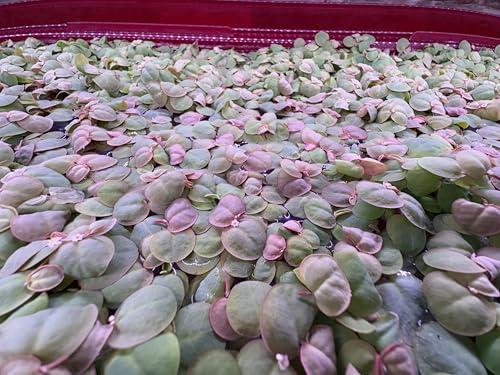
This Phyllanthus Fluitans option emphasizes a classic red-root floater appearance with 60+ leaves. It showcases distinctive red-purple undersides and green tops, creating a striking two-tone canopy. It thrives in moderate to high light and benefits from gentle water flow, avoiding heavy surface agitation that can damage leaf tips. Best for tanks where stable light levels are achievable and you want a noticeable red root aesthetic. Limitation: heavy surface movement may hinder optimal leaf coloration and root display.
Who it’s best for: aquarists who want a reliable, visually striking red root floater with a strong surface presence and predictable growth under steady lighting. Caution: avoid environments with strong surface water movement that disrupts leaf formation and root color development.
Canton Aquatics Red Root Floaters Live Plant

Canton Aquatics presents a sturdy red root floater option with dense foliage that calms skittish fish and diffuses bright light. It promotes faster water quality improvements by absorbing nutrients and supports natural behavior in small fish or shrimp tanks. This plant is a practical choice for aquariums seeking a rapid, green canopy complemented by red roots. Better for tanks needing shelter and shading on the surface, yet it may propagate quickly, requiring regular thinning to keep surface access and gas exchange balanced.
Who it’s best for: keepers wanting a reliable floating plant that doubles as cover and nutrient uptake; ideal for red-root floaters enthusiasts who value quick canopy formation. Limitation: fast propagation can lead to crowding if not managed, so plan for regular maintenance.
Floating Plant Bundle – Red Root Floater, Salvinia, Giant Duckweed

This bundle combines three popular floating plants, including Red Root Floaters, Water Spangles (Salvinia), and Giant Duckweed, each offering different surface coverage and filtration benefits. The Red Root Floater provides distinctive red roots, while Salvinia adds texture and shade, and Duckweed rapidly covers water surfaces. This mix is best for experienced hobbyists who want layered canopy effects and flexible filtration. Caution: ensure compatible lighting and avoid overcrowding that can limit gas exchange and plant health.
30+ Leaves Red Root Floater – Shore Aquatic
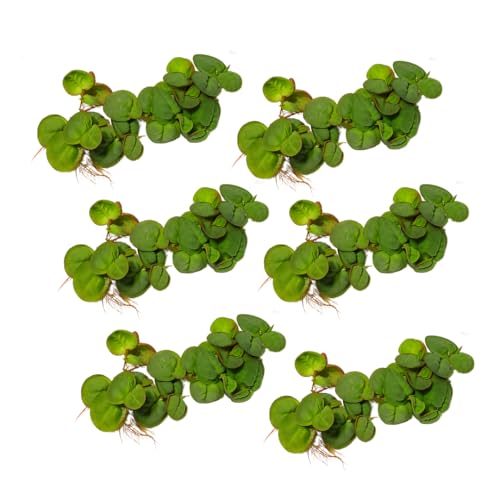
This option offers 30+ leaves with the distinctive red root features. It is suitable for smaller tanks or setups where a lighter canopy is desired, and it’s noted to perform best under stable lighting with gentle water flow. It’s a good starter floater for hobbyists building a layered surface over time. Limitation: fewer leaves than other options may require patience to achieve full visual impact.
Floating Plant Bundle Considerations
Choosing among red root floaters depends on tank size, light availability, and desired canopy density. Higher-leaf varieties deliver quick, dramatic color but may require more space and trimming. Plants that tolerate lower light can be steadier in beginners’ tanks, yet color tends to deepen with brighter lighting. For community tanks with shrimp or small fish, floating canopy depth can influence feeding behavior and hiding spots. Always balance light, nutrient levels, and water flow to promote healthy growth for floating plants.
Buying Guide
What to consider when buying red root floaters
- Light requirements: Some floaters color up under bright light; others stay vibrant in moderate lighting. Plan lighting to match your plant choice.
- Tank size and surface area: Denser canopies need more surface coverage; in small tanks, staggered planting reduces crowding and maintains gas exchange.
- Water flow and surface agitation: Gentle flow helps while heavy agitation can damage delicate leaves and roots.
- Nutrient uptake: Floaters help remove nitrates and ammonia, but they also compete with display plants for nutrients. Monitor levels to maintain balance.
- Maintenance needs: Some floaters spread quickly and may require regular thinning; others establish slower growth. Consider your maintenance willingness.
Practical tips for setup and care
- Introduce floaters gradually to avoid sudden oxygen or nutrient shocks.
- Use a compatible substrate to support root development and overall water quality.
- Regularly check for signs of nutrient deficiency or overgrowth, such as pale leaves or overcrowded surfaces.
FAQ
- Do red root floaters help control algae?
Yes, by absorbing excess nutrients, they can contribute to lower nitrate and ammonia levels in some setups. - Are red root floaters easy for beginners?
Many options perform well in low to moderate light, making them approachable for beginners, though some prefer steady lighting and careful maintenance. - Will these plants affect fish or shrimp behavior?
They provide cover and reduce bright light exposure, which can calm skittish species, but overcrowding may limit surface gas exchange. - Do red root floaters require CO2 supplementation?
Not typically; most hobbyists manage with standard aquarium CO2 unless keeping high-light, demanding setups. - Can red root floaters be kept with other floating plants?
Yes, but monitor light and nutrient competition to avoid stunting or poor coloration. - How often should I trim red root floaters?
Regular trimming helps maintain balance in the canopy and ensures adequate light reaches lower layers of the water column.