Creating a striking aquascape with red-tinged leaves can transform any freshwater tank. The following hand-picked selections highlight red-root floaters and red-leaved species that brighten shelves, contrast with green foliage, and support healthy ecosystems. Each entry includes practical care notes to help you choose plants that suit your lighting, water flow, and substrate preferences. Read on to compare varieties, visuals, and growth habits for a balanced, eye-catching aquarium.
| Product | Key Benefit | Notes |
|---|---|---|
| Aquarigram 40+ Leaves Red Root Floaters | Dense red-root floater coverage | Includes a mystery bonus plant; helps filter water |
| Red Root Floater Live Aquarium Plants (50+ Leaves) | Bright red-purple undersides with green tops | Thrives in moderate to high light; avoid heavy surface agitation |
| Fluval Aqualife Broad Leaf Red Ludwigia | Deep red foliage with durable, maintenance-free design | Artificial plant for a reliable red accent |
| Potted Red Flame Sword (Red Flame Sword) | Vivid red accents in a tall background plant | Grows 6-8 inches; transitions from green to red in tank |
| Marcus Fish Tanks Echinodorus Red Flame Sword | Live plant with classic red sword appearance | Winter caution for live plant shipping |
Aquarigram 40+ Leaves Red Root Floaters

The Aquarigram Red Root Floaters bring more than 40 leaves to a floating carpet, creating a lush, red-tinged canopy over the water surface. These floating plants are known for modest maintenance and their capacity to absorb ammonia and other toxins, contributing to water quality alongside their aesthetic value. A bonus mystery plant is included, offering a little surprise for hobbyists seeking variety. To maximize color, provide bright, indirect light and steady water flow that doesn’t disturb the leaf surface. Growth depends on light intensity and nutrient availability, so regular fertilization can help maintain vibrant red tones.
Red Root Floater Live Aquarium Plants (50+ Leaves)
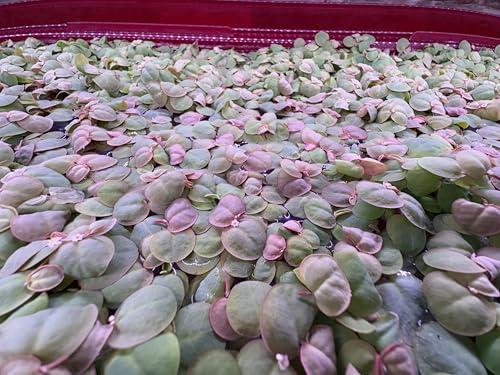
This Red Root Floater offers a robust batch of more than 50 leaves, with distinctive red-purple undersides and green tops that create a striking floating carpet. It performs well under moderate-to-high light and can tolerate a range of water conditions. While it prefers gentle water movement, heavy agitation can disrupt the surface and hinder leaf development. The plant helps shade the water, reducing algae growth and providing shelter for fry. For best results, pair with a gentle filter and consistent fertilization to maintain color intensity.
Fluval Aqualife Broad Leaf Red Ludwigia

The Fluval Aqualife Broad Leaf Red Ludwigia is an artificial plant designed to offer the look of red-leaved Ludwigia without the maintenance of live specimens. It features a soft, natural texture and fade-resistant color for a durable, always-appealing backdrop. This option is ideal for beginners seeking a reliable red accent that does not require lighting, carbon dioxide, or fertilization. While it doesn’t contribute to biological filtration, it provides consistent aesthetics and can be easily rearranged to refresh the aquascape without risk to water quality.
Potted Red Flame Sword (Red Flame Sword)

The Red Flame Sword is a potted live plant that typically measures 6-8 inches when shipped. It starts green with red accents and tends to turn red as it acclimates to aquarium conditions, adding dramatic vertical color to the background. Being a live plant, it contributes to the aquarium’s ecosystem by photosynthesizing and providing shelter for fish. It’s grown organically in the US and is suitable for a range of tank sizes, especially taller setups where a strong vertical presence is desirable. Regular trimming helps maintain its shape and prevents it from overshadowing foreground plants.
Marcus Fish Tanks Echinodorus Red Flame Sword

Marcus Fish Tanks offers a live Red Flame Sword, typically growing to 5-10 inches in height depending on tank conditions. This classic red-leaved sword plant provides a strong vertical accent and acts as a focal point in mid-to-background zones. The plant is sensitive to extreme temperatures during shipping, so plan purchases around seasonal weather to reduce the risk of sluggish growth or stress. In a healthy setup with adequate lighting, the Red Flame Sword can establish a robust root system and vivid red coloration, enhancing contrast with greener foreground species.
Buying Guide: Key Purchase Considerations
Choosing red-leaf or red-tone plants requires balancing light, substrate, and water conditions with your tank size and fish stock. Consider the following factors to select the best fit:
- Live vs. artificial: Live red-leaved plants often offer natural color shifts and habitat benefits but require stable water parameters and regular care. Artificial plants provide color consistency and low maintenance but do not contribute to filtration or plant growth.
- Lighting needs: Red coloration intensifies under moderate-to-high light. If your aquarium has low light, artificial red accents or root floater varieties may retain color less vividly.
- Growth habit and placement: Floating red-root floaters create a dynamic canopy and shade for stressed fry, while red sword plants work best as background vertical anchors. Place tall greens behind shorter reds for layered depth.
- Water flow and surface agitation: Floating plants typically prefer gentle to moderate flow. Strong surface movement can disturb floating leaves and reduce color intensity.
- Temperature and shipping considerations: Live plants are sensitive to extreme temperatures. Plan purchases with climate in mind, especially during winter or heat waves.
- Maintenance needs: See whether you want a low-maintenance artificial option or a live plant that benefits from nutrient dosing and fertilization to sustain red tones.
- Compatibility with aquatic life: Ensure plants chosen are safe for your fish, shrimps, or invertebrates. Some species may be nibble targets or better suited to certain tank setups.
- Color balance and tank design: Use red leaf plants to contrast with greens and blues, creating focal points. Consider substrate color and rock formations to optimize visual impact.
When selecting a set, it can help to map your tank layout first: foreground greens, mid-height reds, and a tall red focal point in the background. Regular maintenance, including trimming and occasional fertilization for live plants, helps preserve color and health. For tanks with high lighting, supplement with CO2 where appropriate; for low-light tanks, lean toward floating red-root varieties or artificial red accents to maintain color intensity without stressing the ecosystem.
All listed products are intended for freshwater aquariums. Choose the option that best aligns with your tank’s lighting, height, and maintenance preferences to create a visually striking red leaf presence while supporting a balanced aquatic environment.