Red lava rocks add natural color, texture, and porous surfaces that support beneficial bacteria in freshwater and saltwater tanks. This guide highlights five well-suited options from Amazon, focusing on size variety, porosity, and overall safe use in aquariums, terrariums, and garden landscapes. Each product is evaluated by its natural volcanic composition, ease of cleaning, and appropriate application in fish tanks or planted setups. Use the buying guide at the end to compare durability, size, and potential impact on water chemistry.
| Product | Size Range | Best For |
|---|---|---|
| Tfwadmx 10 Pack Aquarium Red Lava Rock (1.18″–1.96″) | 1.18″–1.96″ | Small aquariums, nano tanks, decorative accents |
| Tfwadmx 10 Pack Aquarium Red Lava Rock (1.96″–3.14″) | 1.96″–3.14″ | Medium tanks, natural landscaping, plant support |
| KINGRUI Red Lava Rock Natural Volcanic Stones 4″-6″ (5lb, 3pcs) | 4″–6″ | Statement pieces, centerpiece hardscape |
| LANDEN Red Lava Stones (16lbs, 3″–10″) | 3″–10″ | Large layouts, aquascaping and terrariums |
| FANTIAN Red Lava Rocks (5 lbs, 1/4″ Crush) | Crushed/2–6 mm mix | Substrate mulch, potting mixes, plantings |
The following sections review five red lava rock options. Each product section provides a concise overview, key features, and practical considerations for aquarium use, ensuring objective guidance for buyers.
Tfwadmx Red Lava Rock 1.18″–1.96″ 10-Pack

This 10-piece set provides a range of small volcanic pumice stones ideal for nano tanks and terrariums. The natural stones have varied shapes, introducing texture and contrast to aquascapes. They support a lively look without overflowing the tank. Clean by rinsing under running water to remove surface dust before adding to the aquarium. The stones also function as plant pavement or filter media when used in combination with media bags or prefilters.
Tfwadmx Red Lava Rock 1.96″–3.14″ 10-Pack

This larger set includes pieces ranging from just under 2 inches to about 3 inches, offering more substantial presence for mid-sized aquariums. The natural volcanic pumice stones have irregular shapes that create a dynamic landscape. They are suitable for use as decorative features, plant supports, or as part of a naturalistic substrate mix. As with all lava rocks, a thorough rinse is recommended before introduction to minimize turbidity.
KINGRUI Red Lava Rock 4″-6″ (5lb, 3pcs)
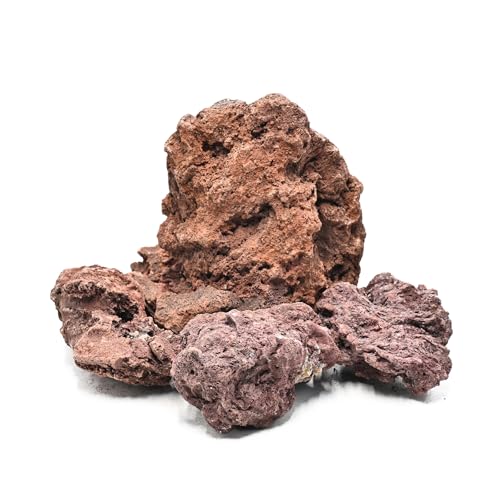
These larger volcanic stones deliver a bold, natural focal point for aquascapes. The rocks are 100% natural, with a warm red hue and porous texture that supports microbe colonies. They pair well with green plants and driftwood for a balanced planted tank look. Their size makes them suitable as base rocks or standalone decorative elements. Rinse prior to use and monitor for any change in water coloration when first introduced.
KINGRUI Red Lava Rock 4″-7″ (8lb, 5pcs)

This set emphasizes versatility with a slightly larger range, offering five pieces that span 4 to 7 inches. The rocks are valued for their natural color and porous surface, which can contribute to subtle biofiltration benefits. They work well as tacitly dramatic accents in larger tanks or as anchor pieces in a planted layout. Always rinse thoroughly to remove any processing dust before placement.
LANDEN Red Lava Stones 16lbs (3″–10″)

A bulk option designed for larger layouts or terrariums, this 16-pound selection includes stones from 3 to 10 inches. The stones’ rough texture and high porosity can enhance natural aesthetics while offering substantial structure for aquascaping. They also provide surface area for beneficial bacteria. Rinse well before use to reduce sediment and turbidity, and consider rinsing again after initial tank setup to ensure water clarity.
FANTIAN Red Lava Rocks 5 lbs (1/4″ Crush)

These crushed lava rocks are ideal for use as mulch in potting mixes, succulent care, and decorative top-dressing in aquariums where a finer texture is desired. The product notes emphasize washing to remove dust and turbidity before direct aquarium use. The porous volcanic material aids drainage and moisture retention, supporting a healthy root zone for potted plants near water features or in paludarium-style setups.
Buying Guide: Key Purchase Considerations And Comparisons
- Size and surface area: For bio-filtration and natural aesthetics, select rocks with varied sizes and a porous surface. Larger stones provide strong focal points, while smaller pieces fill gaps and create texture.
- Porosity and water chemistry: Volcanic lava rocks are porous and can influence biological filtration. They generally do not release harmful substances, but it’s prudent to rinse thoroughly and monitor any changes in water clarity after introduction.
- Application and layout: Consider tank size when choosing rock quantity and size. Small tanks benefit from a mix of tiny and mid-sized pieces; larger tanks can showcase statement rocks as focal points.
- Cleaning and maintenance: Lava rocks accumulate dust and residue during packaging. Pre-soak or rinse before first use, and periodically rinse to prevent turbidity from dust or mineral residues.
- Plant compatibility: Lava rocks work well with live plants, creating a natural backdrop for aquatic flora. They also support root growth when used as substrate accents or plant anchors in planted tanks.
- Safety and durability: Choose 100% natural lava rock from reputable brands. Ensure rocks are free of coatings or sealants that could leach chemicals into water. Heavier stones offer stability in larger setups, while lighter rocks are easier to rearrange in smaller tanks.
- Integrated use cases: Lava rocks can serve multiple roles—decorative landscape, substrate amendments, and terrarium or paludarium accents. Plan a cohesive theme that suits both aquatic and terrestrial elements if blending habitats.
Overall, red lava rocks provide durability, a distinctive color palette, and porous surfaces conducive to natural aquascaping and plant support. The five selections above offer a balance of small to large sizes, enabling diverse layouts in both freshwater and saltwater environments. Always pre-wash, test for clarity, and observe fish and plant responses after introducing new rock to the habitat.