Red floating aquarium plants add striking color and practical filtration benefits to freshwater tanks. This guide compares top options to help buyers choose the best red root floater for their setup. The selections below are suited for beginners and experienced hobbyists alike, depending on light, water flow, and tank inhabitants. The summary table highlights each product’s key points to help you compare at a glance.
| Product | Leaves (approx.) | Light & Care Notes | Best For |
|---|---|---|---|
| Red Root Floater Live Aquarium Plants, Phyllanthus Fluitans (60+ Leaves) – Generic | 60+ leaves | Moderate to high light; gentle water flow; avoid heavy surface agitation | Tank owners wanting a dense red canopy with immediate impact |
| Aquarigram 60+ Leaves Red Root Floaters Live Floating Plants | 60+ leaves | Promotes healthy balance; live-arrival guarantee | Aquarists seeking reliable live arrival and nutrient removal |
| Canton Aquatics Red Root Floaters Live Plant | Red root floater clusters (1-2 oz portions) | Dense shade, reduces light; helps stabilize water quality | Those wanting quick shade and nutrient uptake with easy care |
| Live Red Root Floater Aquarium Plant (80+ Leaves) – Midnight Glo | 80+ leaves | Low to moderate light; red coloration develops with light; natural filtration | Beginners and color-seekers who want deeper red tones |
| 6 Red Root Floater (Phyllanthus Fluitans) by G’z | 6 plants per order, 5-10 leaves each | Best with stable temperatures; avoid extreme heat | Starter packs for quick stocking and budget-friendly setup |
Red Root Floater Live Aquarium Plants, Phyllanthus Fluitans (60+ Leaves)
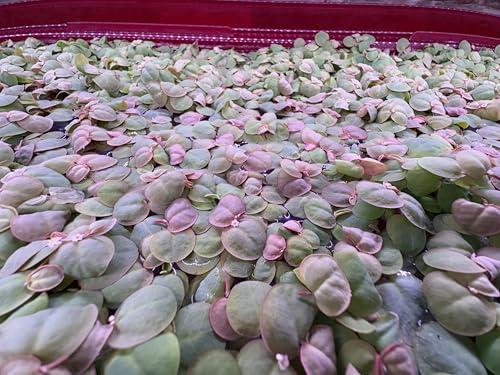
Includes 60+ leaves in a 4oz cup suitable for immediate use. Features red-purple undersides with green tops that form a vibrant floating carpet. Best for tanks with moderate to high light and gentle water flow. Avoid environments with heavy surface agitation that can dislodge leaves. Ideal for aquarists wanting a noticeable crimson canopy from day one.
Aquarigram 60+ Leaves Red Root Floaters

Contains 60+ leaves, designed to support a healthy aquarium balance by absorbing nutrients like ammonia and nitrates. The product is backed by a live-arrival guarantee, making it suitable for hobbyists who want predictable initial results. Choose this if you prioritize a strong nutrient-removal role and a guaranteed arrival.
Canton Aquatics Red Root Floaters Live Plant

Provides a dense floating canopy with red roots, helping to calm skittish fish and diffuse bright light. It actively absorbs excess nutrients to support water quality, making it well-suited for shrimp and small fish tanks. Best for hobbyists wanting a robust, green canopy with strong nutrient uptake.
Live Red Root Floater Aquarium Plant (80+ Leaves) – Midnight Glo

Offers 80+ leaves with deep red roots that enhance aesthetic appeal. Performs well in low to moderate light; deeper red coloration can develop as light increases. Also contributes to natural algae control by absorbing excess nutrients, supporting overall water quality.
6 Red Root Floater (Phyllanthus Fluitans) by G’z

Each order contains 6 red root floater plants; each plant typically has 5-10 leaves. A note warns about daytime temperatures above 85 degrees for the upcoming week. This pack is good for budget-conscious buyers who want a quick-start set for beginners, with several small plants to spread across the surface.
Buying Guide
What to consider when choosing red root floaters:
- Light requirements: Red coloration intensifies with higher light. If your tank has low light, expect paler leaves and slower color development.
- Water movement: Floating plants prefer gentle surface flow. Strong agitation can damage leaf surfaces and reduce rooting expansion.
- Tank size and canopy needs: For smaller tanks, 1-2 species may provide a balanced canopy; larger tanks can benefit from a mix of 2-3 varieties.
- Nutrient uptake: Red root floaters help remove ammonia, nitrates, and heavy metals. In heavily stocked tanks, more frequent pruning keeps the canopy healthy.
- Aquarium inhabitants: Choose denser floaters if fish or shrimp are skittish and need cover; for open-top tanks, ensure the canopy doesn’t block essential filtration intake areas.
Key comparison tips
- Look for leaves with consistent red coloration across the bunch for a uniform display.
- Check the stated number of leaves to estimate how soon you’ll achieve a full canopy.
- Consider a live-arrival guarantee if you’re new to plant shipping and want assurance on initial health.
Care basics at a glance
- Water temperature: Most Phyllanthus Fluitans varieties tolerate typical tropical ranges (70–82°F / 21–28°C).
- CO2: Not required for floating plants, but available CO2 can boost growth for more rapid coverage.
- Pruning: Regular removal of excess growth helps prevent shading of lower tank areas and maintains even color.
Frequently asked questions
- Q: Do red root floaters require CO2 for growth?
A: They typically do not require CO2, but CO2 can accelerate growth and color development. - Q: Will they float to the bottom or sink?
A: They should float on the surface; if heavy debris or water flow pushes them down, reduce flow or lighten the surface agitation. - Q: Are red root floaters safe with shrimp?
A: Yes, when placed gently, they provide cover and contribute to water quality by nutrient uptake. - Q: How many leaves are ideal for a new tank?
A: Start with 20–40 leaves per plant clump, allowing for expansion as light and nutrients are optimized. - Q: Can these plants be used in ponds?
A: Some red floater varieties tolerate pond conditions but are generally best in aquarium setups with controlled lighting. - Q: How should I propagate red root floaters?
A: They reproduce by producing new leaves and roots; trim overgrown mats to encourage healthy spread.