Answering the most common buyer questions: these Red Flame Sword plants are suitable for freshwater setups as striking background or mid-ground accents. They suit beginners who want an eye-catching plant, and experienced hobbyists who need reliable, scalable greenery for larger tanks. Below, you’ll find five well-matched options with reasons why they’re a good fit, plus practical cautions and installation tips.
Summary table of selected products
| Product | Best For | Notes |
|---|---|---|
| Potted Live Aquarium Plants | Red Flame Sword (2″ Pot) | Background or tall accents in small-to-medium tanks | Grows to 6-8″; organically grown in the US |
| Marcus Fish Tanks Echinodorus Red Flame Sword Live Plant | Delicate, live introduction with seasonal caution | 5-10″ mature height; weather considerations |
| Potted Red Flame Sword, 3 Pack | Immediate multi-plant foreground/background fill | Similar specs to single plant; value option |
| Red Flame Sword Plant (Florida Aquatic Nursery) | Standard single-plant option for mid-ground | Height 6-10″, warns on sizing |
| Amazon Sword Red Flame by Canton Aquatics (Medium Light) | Beginners and community tanks with medium light | Easy care; no CO2 required |
Potted Red Flame Sword – 2″ Pot

- Features: One potted Red Flame sword in a 2″ pot; approximately 6-8″ at shipment; appears green with red specs when shipped, turns red in aquarium; snail-free.
- Best for: Aquariums needing a tall, natural-looking backdrop; fits well in small-to-medium tanks.
- Why selected: Reliable growth from a small pot, adaptable height, and US-grown with no chemicals.
- Caution: Color shift may require a bit of acclimation in lighting to reach full red coloration.
Marcus Fish Tanks Echinodorus Red Flame Sword Live Plant

- Features: One live Red Flame sword; typical size 5-10″; seasonal weather cautions.
- Best for: hobbyists wanting a true live plant with natural growth and a slightly variable mature height.
- Why selected: Simple inclusion for varied tank layouts; robust enough for mid-ground displays.
- Caution: Extreme temperatures can affect viability—avoid orders when temperatures are forecast to drop below 30F at the coldest part of the day.
Potted Red Flame Sword, 3 Pack

- Features: Three potted Red Flame Sword plants; each in a 2″ pot; shipment height around 6-8″; same color transition from green to red.
- Best for: Filling larger backgrounds or creating layered depth in spacious tanks; good value for multi-plant setups.
- Why selected: Provides options for layout experimentation and faster fill-in compared to a single plant.
- Caution: Use spacing to allow for growth; crowded conditions may slow establishment of red coloration.
Red Flame Sword Plant (Florida Aquatic Nursery)
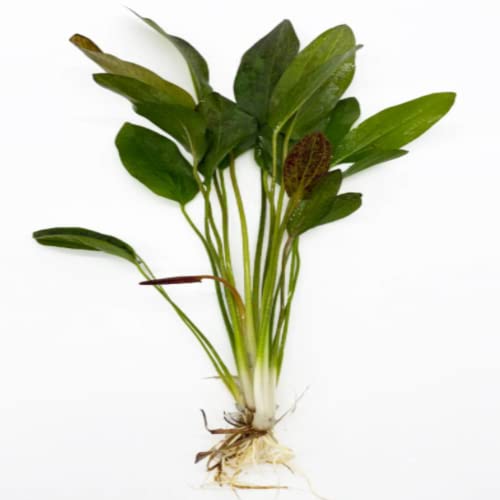
- Features: Echinodorus ‘Red Flame’ with stated height 6-10″, width 2-4″, depth 2-4″.
- Best for: Mid-ground or background plant in standard community tanks with moderate lighting.
- Why selected: Clear size specs help with layout planning and compatibility with tank dimensions.
- Caution: Growth range may vary; plan for eventual full-width footprint at maturity.
Amazon Sword Red Flame – Canton Aquatics (Medium Light)

- Features: 1x Amazon Sword (Echinodorus bleheri); greenhouse-grown in Texas; beginner-friendly care.
- Best for: Beginners and mixed-taq tanks; thrives under medium light; standard background plant.
- Why selected: No CO2 injection required; easy care makes it a solid starter for a vibrant red accent.
- Caution: Best results with stable lighting and consistent water parameters; avoid abrupt changes to prevent stress.
Amazon Sword Red Rubin – Canton Aquatics

- Features: 1x Amazon Sword (Echinodorus bleheri); greenhouse-grown in Texas; beginner-friendly, medium light.
- Best for: Similar to Red Flame variants in layout usage; works well as a resilient background plant.
- Why selected: Consistent, easy-care options to diversify red-toned sword varieties in one tank.
- Caution: coloration intensity can depend on light and nutrient levels; plan for gradual color development.
Buying Guide: Red Flame Sword Plants For Your Aquarium
What to consider when choosing Red Flame Sword plants
- Light levels: Most Red Flame Sword varieties tolerate medium light; color intensity improves with adequate lighting.
- Tank size and layout: Taller swords are ideal for background walls; multi-pack options help fill larger tanks.
- Growth rate and spacing: These plants can spread; allow space between clumps to prevent crowding and to help reach full coloration.
- Water parameters: Generally adaptable; avoid extreme temperature shifts and ensure stable conditions for best color expression.
How to plant and care for Red Flame Sword
- Substrate: Plant into a nutrient-rich substrate or regular aquarium gravel; ensure root visibility is shallow to prevent uprooting.
- Fertilization: Regular, light fertilization supports growth; CO2 is not mandatory for beginners but can enhance coloration.
- Trimming and maintenance: Prune dead or yellowing leaves to encourage new growth and color development.
Layout strategies: best placement ideas
- Background wall: Use taller Red Flame swords to frame the tank’s back and add depth.
- Mid-ground accents: Shorter plants can create layered color zones and improve contrast with foreground fauna.
- Color progression: Combine red-tinged varieties with complementary greens for visual interest without overwhelming the tank.
Care considerations by hobby level
- Beginners: Choose low-maintenance varieties with medium light and minimal CO2 needs.
- Intermediate: Experiment with higher light and occasional CO2 to intensify red coloration.
- Advanced: Use nutrient-rich substrates and precise dosing to maximize growth and color saturation.
FAQ
- Q: Do Red Flame Sword plants require CO2 injection? A: Not required for basic care; many can thrive under medium light without CO2.
- Q: How tall do Red Flame Sword plants grow? A: Heights commonly range from about 5 to 10 inches, depending on light and nutrients.
- Q: How soon will the red coloration appear? A: Color intensity develops with time and proper lighting; it may take weeks to months to reach full red.
- Q: Can these plants be used in shrimp tanks? A: Yes, they are generally safe for many invertebrates when acclimated properly and not overfed.
- Q: Are these plants sold as cuttings or live plants only? A: The listings indicate live plant specimens in various pot formats and pack options.