Answering the buyer’s question: how to build a vibrant, peaceful rainbow fish freshwater aquarium? This guide highlights five top options that suit beginners and established hobbyists alike. Expect bright color, schooling behavior, and compatible tank plans. Best for community tanks with similar water needs and ample swimming space.
Summary at a glance: the following table lists five suitable rainbow-themed options with their key traits to help you compare quickly.
| Product | Best For | Notes |
|---|---|---|
| Neat&Tidy Boesemani Rainbow Fish (Pack of 3) | Peaceful community tanks | Vibrant coloration; best with non-aggressive tankmates |
| 3-Pack Boesemani Rainbow 2.0 | Planted or community tanks | Two-tone color, hardy and adaptable |
| Neat&Tidy Turquoise Blue Rainbow Fish Juveniles (Pack of 3) | Warm, tropical setups | Turquoise hues; needs space to grow |
| Neon Tetra Live Freshwater Fish | Small, colorful schooling option | Best in larger groups; ideal for planted tanks |
| Spectrastone Permaglo Rainbow Aquarium Gravel | Aesthetic substrate for rainbow tanks | Non-toxic coating; substrate impacts water flow |
Neat&Tidy Boesemani Rainbow Fish (Pack of 3)

Features highlight two-tone coloration with vibrant blues, yellows, and oranges. Boesemani Rainbow Fish adapt to well-planted, spacious aquariums with peaceful tankmates. Their peaceful temperament makes them ideal for community tanks that avoid aggressive or fin-nipping species. Best for mid-to-large tanks with diverse flora and hiding spots.
Who it’s best for: hobbyists seeking a bold rainbow display in a calm, compatible community setting. Caution: avoid aggressive fish that may stress or nip fins.
3-Pack Boesemani Rainbow 2.0 – 2.5”

This batch emphasizes brilliant two-tone colors: a deep blue front half with an orange tail. They are a sober choice for planted or community tanks, thriving in groups. Hardiness is noted as adaptable to a wide range of freshwater conditions, which helps for new setups. Best for: groups that enjoy active schooling.
Caution: ensure compatible tankmates to maintain coloration and schooling behavior.
Neat&Tidy Turquoise Blue Rainbow Fish Juveniles (Pack of 3)

Known for turquoise coloration and distinct rainbow-like scale patterns, these juveniles originate from Indo-Pacific tropical waters. They do best in warm, well-maintained aquariums with ample space to swim and explore. Peaceful by nature, they do well in community tanks with non-aggressive species. Best for: color-focused setups with generous tank dimensions.
Limitation: as they grow, ensure tank size and water quality remain stable to maintain coloration.
Neon Tetra Live Freshwater Fish

Colorful small schooling fish ideal for planted tanks and natural aquascapes. They are calm and do well in community environments with other peaceful species. While not a rainbow species, neon tetras complement rainbow setups by adding blue-and-red highlights in larger schools. Best for: nano or mid-sized planted tanks that emphasize color contrast.
Caution: avoid keeping neon tetras with fin-nippers or extremely aggressive tankmates that can disrupt schooling behavior.
Spectrastone Permaglo Rainbow Aquarium Gravel
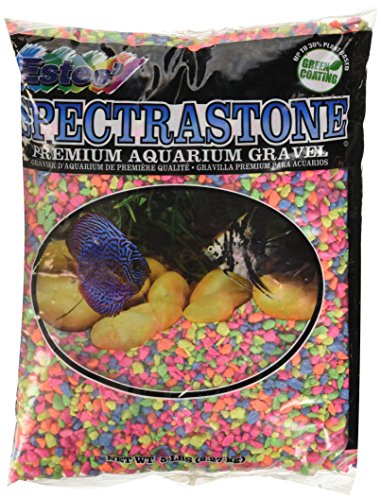
Rainbow-inspired gravel designed for freshwater aquariums. Features a non-toxic coating and does not alter pH in typical setups. The gravel enhances the visual appeal of rainbow fish tanks and supports natural aesthetics. Best for: substrates in color-forward aquariums that want a decorative, safe base.
Limitation: some substrates can trap fine debris; regular vacuuming helps maintain water clarity.
Buying Guide: Rainbow Fish Aquarium Considerations
- Tank size and space: Rainbow fish are active swimmers. Choose larger tanks (55 gallons or more for multiple specimens) to reduce stress and promote schooling behavior.
- Water parameters: Most rainbow species prefer stable, moderate temperatures and clean water. Plan for regular testing and steady filtration to maintain color and health.
- Schooling and companions: Rainbow fish show best when kept in small groups. Pair with peaceful fish that share similar water needs to avoid stress and fin-nipping.
- Planting and decor: Live or high-quality artificial plants provide cover and reduce stress. A varied layout with open swimming zones mimics natural habitat.
- Substrate and lighting: Substrate should be aquarium-safe and not alter pH dramatically. Lighting should highlight coloration without overheating the tank.
- Maintenance considerations: Regular water changes and substrate cleaning help retain color intensity and health across rainbow species.
- Species selection: Boesemani types are striking but may require specific care; turquoise varieties add distinct hues and are generally adaptable.
Frequently Asked Questions
- What rainbow fish are best for beginners?
Hardy varieties such as Boesemani rainbow fish and turquoise rainbow fish are commonly recommended for beginners when kept in appropriate community tanks with stable water parameters.
- How many rainbow fish should I keep together?
Rainbow fish are schooling species; aim for at least 4–6 individuals to promote natural behavior and reduce stress.
- Can rainbow fish live with neon tetras?
Yes, in well-maintained tanks with compatible dimensions and water quality, neon tetras can accompany rainbow fish in a peaceful community setup.
- Do rainbow fish require live plants?
Live plants can improve water quality and provide cover, but rainbow fish can also thrive in well-maintained planted or high-quality artificial setups.
- What kind of gravel is best for rainbow tanks?
Non-toxic, aquarium-safe substrates with smooth textures are recommended. The colors and texture should not affect water parameters or plant roots.
- Are rainbow fish aggressive?
Most rainbow fish are peaceful or moderately active; aggression tends to come from incompatible tankmates or overcrowding.