Porous rocks are a cornerstone of healthy aquascapes, providing biological filtration surfaces, hiding places for aquatic life, and natural aesthetics. This guide highlights five high-quality porous rock options commonly used in freshwater setups, terrariums, and paludariums. Each product offers distinct textures, safety assurances, and maintenance profiles to suit different tank sizes and design goals.
Summary of chosen products
| Product | Brand | Best For | Key Benefit |
|---|---|---|---|
| YISZM Black Horticultural Lava Rocks | YISZM | Succulent and cactus displays, decorative aquariums | Improves drainage and aeration; mineral-rich |
| FISCAPE 2-6 Inches Lava Rock (4 PCS) | FISCAPE | Aquascaping and terrariums | Porous, supports beneficial bacteria; multiple textures |
| Hygger CO2 6.6LB Dragon Stone | Hygger CO2 | Aquascapes and paludariums | Honeycomb porosity; natural look; supports biofiltration |
| KINGRUI 4″-9″ Lava Rocks | KINGRUI | Large tanks and landscaped aquariums | High durability; enhances biological filtration |
| ChaoLeHo Aquariums Stones (3lb) | ChaoLeHo | Aquariums, terrariums, vivariums | Natural textures; safe, lightweight; easy setup |
YISZM Black Horticultural Lava Rocks For Aquariums
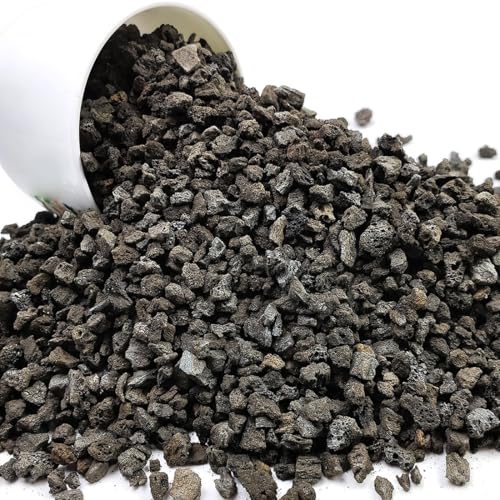
YISZM lava rocks are designed to enhance drainage and aeration for plants and decorative setups. Sold in a 2lb bag, these porous stones provide a mineral-rich substrate that can be used in aquariums, succulent displays, or bonsai soil mixes. They help replace mulch with a breathable medium, promoting rapid drainage while retaining a small amount of moisture to support plant roots. The fine-to-medium porosity supports water movement and root oxygenation, making them a versatile choice for hobbyists seeking a natural, low-maintenance option.
FISCAPE Large Lava Rocks For Aquariums

FISCAPE lava rocks offer unique forms and textures ideal for aquascaping and terrariums. Their porous structure fosters beneficial bacteria and provides multiple visual options due to varied sizes and shapes. The rocks are non-reactive, reducing concerns about leaching into water, and they’re durable for long-term use. Cleaning reveals deeper colors as porous surfaces are rinsed, restoring the stones’ appearance after routine maintenance.
Hygger CO2 6.6LB Dragon Stone For Aquascaping

Hygger CO2 Dragon Stone features a natural dragon-stone appearance with a honeycomb-like porous texture. The stones are praised for their ability to absorb impurities and assist in water purification while adding depth and natural aesthetics to aquascapes. They are aquarium-safe and do not alter pH significantly. While cleaning is advised before placement due to potential dust in transit, these stones remain a sturdy, long-lasting choice for freshwater setups and terrarium contexts.
KINGRUI 4″-9″ Lava Rocks For Aquariums

Kingrui lava rocks are 100% natural and designed for durability in aquariums, aquascaping, and landscaping. The porous surface supports natural bio-filtration and promotes stable pH levels by providing a robust habitat for beneficial bacteria. They come in larger sizes, suitable for creating caves, riverbeds, and naturalistic rock formations in larger tanks, providing both aesthetic appeal and functional filtration benefits.
ChaoLeHo Dragon Stone Aquarian Rocks

ChaoLeHo Dragon Stone presents a natural dragon-stone texture with unique color variations. These stones are eco-friendly and safe for aquariums, promoting beneficial plant root growth and providing a stable environment for aquatic life. The lightweight, easy-to-stack composition enables flexible arrangements and rapid setup, making them suitable for hobbyists seeking quick, visually natural layouts for aquascapes, terrariums, and paludariums.
Buying Guide: Key Purchase Considerations And Comparisons
- Porosity and surface texture: Rocks with larger pores promote beneficial bacteria colonization and water filtration, while finer pores can offer more precise aesthetic textures. Consider your tank size and desired filtration level.
- Size and weight: Larger rocks are ideal for creating caves and landscapes in bigger tanks, while smaller pieces are better for nano tanks or delicate layouts. Always check the overall weight to avoid placing stress on tank seams.
- Safety and water chemistry: Most lava and dragon stones are inert and do not alter pH significantly. Confirm that the rock is natural, non-reactive, and free of chemical treatments to prevent leaching.
- Maintenance and cleaning: Porous rocks can accumulate debris in surface pores. Choose rocks that are easy to rinse and scrub, with a finish that reveals color after washing.
- Aesthetic versatility: Consider color, texture, and arrangement options. Black lava rocks provide dramatic contrast in planted tanks, while dragon-stone patterns offer a more natural, earthy look.
- Compatibility: Ensure rocks are suitable for freshwater setups if you plan to keep shrimp, fish, or live plants. Some porous rocks may harbor bacteria beneficial to bio-filtration, while others are primarily decorative.
- Safety notes for installation: Rinse thoroughly before placing in the tank, especially for porous stones that may harbor dust during shipping. Secure rocky layouts to prevent shifting during maintenance.
- Long-term durability: Natural lava rocks tend to be long-lasting and resistant to cracking, but large, heavy rocks require careful placement to avoid accidental tank damage.
In summary, the five selections offer a range of textures, sizes, and functional benefits—from aiding drainage and filtration to adding depth and natural beauty. By balancing porosity, size, and visual style, hobbyists can tailor an underwater landscape that supports aquatic life while achieving a striking, maintenance-friendly display.