Answering the question “Which plastic mesh should I choose for my aquarium?” this guide highlights five practical options tailored to typical aquarium setups. The best picks are suitable for hobbyists creating divider panels, lids, or top covers. They balance light transmission with fish safety and ease of customization. The following selections are grouped by use case: DIY dividers, top covers, and soft mesh lids. The buyer-friendly table offers quick comparisons to help you decide at a glance.
| Product | Best For | Key Benefit | Limitation |
|---|---|---|---|
| 1) Zonon Plastic Mesh Sheets & Sliding Bars | DIY Fish Tank Dividers | Complete package with bars for easy installation | May require trimming to fit uniquely shaped tanks |
| 2) Shappy Aquarium Net Screen | Large Tanks Requiring Custom Fit | Long, reusable mesh that can be cut to size | Includes only netting; frame kit sold separately |
| 3) Caydo Plastic Canvas Sheets | Dividers And Sieve Projects | Sturdy, 7 holes per inch for precise craftwork | Primarily craft-oriented; can be repurposed for tanks |
| 4) MongsterAquatics Clear Mesh Netting | Top Covers And Light Transmission | High light transmission with 1/4″ openings | Sold as a single sheet; additional support may be needed |
| 5) NestBasics Clear Mesh Netting | Customizable Tank Top Covers | Soft, fish-safe material with easy trimming | Does not include frame or clips |
Best For DIY Dividers: Zonon 4 Pieces Plastic Mesh Sheets

The Zonon set includes four plastic mesh sheets and matching sliding bars, designed for easy aquarium divider applications. The sheets measure about 13.19 by 10.24 inches with a slim 0.06 inch thickness, and the sliding bar is roughly 12.2 by 0.39 by 0.32 inches. Best used by hobbyists who want a ready-to-install divider without buying extra hardware, this kit favors users seeking quick customization and straightforward assembly.
Who it’s best for: hobbyists building temporary or semi-permanent tank partitions, or anyone crafting flexible barriers in community tanks. The included sliding bars simplify adjustment, making it suitable for tanks that require frequent reconfiguration.
Why selected: it offers a complete, ready-to-use package that minimizes extra purchases. The size combination supports a variety of tank widths and heights while the lightweight bar helps avoid stressing the glass edges. A potential limitation is trimming needed for non-standard dimensions, which can add assembly time.
Caution: ensure a snug fit to prevent gaps where small fish could squeeze through. Regularly check the barrier for any looseness after cleaning or routine maintenance.
Best For Large Tanks: Shappy Net Screen Top Cover
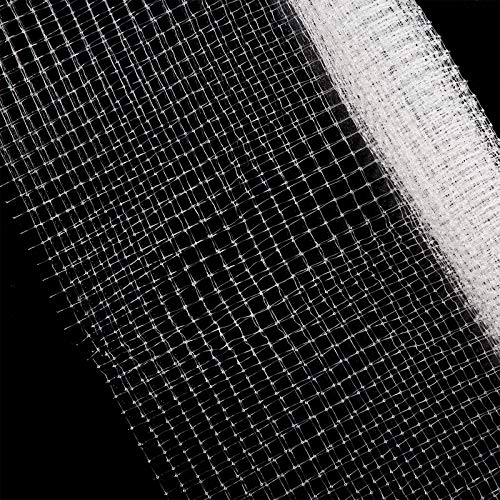
The Shappy option is a long, 6 by 7.2 feet aquarium screen net designed for DIY leaders who want to replace or extend top covers in larger tanks. Made from durable nylon, the net is reusable and easy to clean. Its 0.31 by 0.31 inch mesh holes allow ample light to reach corals and plants while preventing small jumpers from escaping. It’s a strong base for custom frames or frames with mesh as a top layer.
Who it’s best for: tank owners with large enclosures who need a customizable top that preserves light and air flow. It’s ideal for replacement nets or DIY screen tops where rigid lids are not preferred.
Why selected: the large dimensions cover most big enclosures, and nylon durability supports repeated use. The trade-off is that you’ll likely need a frame kit or clips to secure the mesh to your tank, which is not included.
Caution: ensure the net is tensioned and secured to avoid sagging, which could create gaps at the edges where fish may attempt to escape.
Best For Craft and Dividers: Caydo 4 Pieces 7 Count Plastic Canvas Sheets

These Caydo plastic canvas sheets come in four pieces of 7 count mesh, sized 10.5 by 13.5 inches with seven holes per inch. They’re easy to cut to fit various tank shapes, and the smooth openings minimize snagging on yarn or thread. While marketed for embroidery and crafts, their sturdy, hole-dense mesh makes them a practical choice for aquarium dividers or homemade sieves.
Who it’s best for: crafters who want to repurpose a mesh material for aquarium dividers or DIY filtration components. The high holes-per-inch count allows precise shaping and stable barrier walls.
Why selected: the sheets are easy to trim and handle, reducing the risk of tearing during sizing. A limitation is that the primary use is craft-oriented, so you may need additional accessories to secure edges in a tank setting.
Caution: avoid using sheets that are overly rigid for very flexible tank tops; sharp edges should be deburred to prevent snagging fish fins during installation.
Best Top Cover Mesh: MongsterAquatics Clear Mesh Netting

This 4′ x 5′ clear mesh sheet is designed for screen tops, lids, or dividers. With 1/4 inch openings, it provides high light transmission while keeping jumpers contained. The material is designed to be used as a flexible top cover or as a component in a larger frame system for tank lids. It supports coral growth by allowing light in while offering a soft barrier against curious fish.
Who it’s best for: aquarists looking for a straightforward, translucent lid option that can be trimmed to fit a range of tanks. It’s particularly useful when paired with a separate frame or clips.
Why selected: the clear mesh balances visibility and safety, ensuring the tank remains well-lit. A potential limitation is needing additional hardware to assemble a complete lid system if you don’t already own a frame or hinges.
Caution: verify compatibility with your tank dimensions and ensure the cut edges are smooth to avoid injuring fish or snagging lines during maintenance.
Best For Flexibility: NestBasics Clear Mesh Netting

The NestBasics mesh netting is a large, clear option sold as a 4 x 5-foot sheet. It features a 1/4 inch mesh hole, high light transmission, and a soft, PP plastic construction that’s gentle on fish. The product includes no frame or clips, so it’s ideal for buyers who already have a build-ready frame or want to customize edges themselves.
Who it’s best for: aquarists seeking a soft, adaptable mesh that can be trimmed to fit many tanks without adding stiff rigidity to the lid ecosystem.
Why selected: it enhances light penetration while reducing the risk of injuring swimmers due to its soft surface. A limitation is that you must supply your own frame or fastening system, which adds to overall setup costs.
Caution: when cutting to fit, ensure all edges are sanded or smoothed to prevent damage to fish fins or nets during routine handling.
Best For Easy Customization: DLOnline Clear Mesh Netting

The DLOnline mesh measures 4 x 5 feet and is designed for tank top covers, dividers, or separators. It features a 1/4 inch by 1/4 inch opening for balanced light transmission. The PP plastic construction emphasizes durability with a slight elasticity to protect fish from sharp edges found in rigid lids.
Who it’s best for: buyers who want a flexible, cut-to-fit mesh that won’t restrict light or flow, and who may need to piece a top cover with clips or frames later. It’s a practical option for modular setups.
Why selected: its elasticity helps absorb minor impacts from jumping fish, reducing injury risk. A caution is that this product does not include frame hardware, so plan to source clips, rails, or a frame separately.
Best All-Around For Easy Trimming: Clear Mesh Fish Tank Lid By Xyembu

This lid-ready mesh is designed as a 4 x 5-foot sheet that can be trimmed to a range of 5–75 gallon tanks. It uses 1/4 inch mesh holes for light passage and features a translucent, fish-safe polypropylene composition. The mesh is designed to be used with clips or an aluminum frame as a lid, though the frame is not included.
Who it’s best for: aquarium owners who want a highly adaptable lid material that can be precisely sized for many tank configurations. It’s particularly suitable for DIY frame builds or replacement lids that must maintain light flow.
Why selected: the product emphasizes easy, precise sizing and light transmission. A limitation is that you’ll need to supply a frame or clips to finish the installation.
Caution: ensure the final cut edges are smooth and free from burrs; use edge-protecting methods to avoid damaging aquarium glass or fish.
Buying Guide: Plastic Mesh For Aquarium
- Light transmission: Choose mesh with 1/4 inch openings for adequate light and water flow while preventing jumps.
- Material safety: Look for soft, non-toxic polypropylene or nylon options to reduce risk of injury to fish.
- Cutting and fitting: If your tank size is non-standard, pick sheets that are easy to trim and pair with a frame or clips.
- Frame compatibility: Some products include frames; others require separate purchase. Plan for clips, rails, or frames if needed.
- Durability and reuse: Reusable nets save money over time. Nylon and PP plastics typically offer good longevity.
- Intended use: Distinguish between top-cover nets, side dividers, and sieve-like applications to ensure the mesh meets your needs.
FAQ
- Q: Is this mesh safe for all freshwater fish? A: Yes, most PP or nylon-based mesh is designed to be fish-safe when properly installed and trimmed to prevent injuries.
- Q: Can I cut these sheets to size for my 20-gallon tank? A: Yes, most sheets are designed to be trimmed with scissors or utility knives to fit various dimensions.
- Q: Do these products come with frames or clips? A: Some sets include bars or frames; others require separate purchase of frames or clips.
- Q: Will mesh blocks affect water flow or filtration? A: Properly sized mesh allows water flow while providing a barrier; ensure no buildup of debris that could hinder flow.
- Q: How do I secure mesh to the tank edges? A: Use purpose-made clips, rails, or a frame; ensure edges are smooth to prevent snagging or injuries.