Maintaining a thriving planted aquarium hinges on keeping water parameters stable. The right test kit helps you monitor GH, KH, pH, ammonia, nitrate, phosphate, and more—allowing you to act before problems impact plants and wildlife. Below is a curated guide to top test kits that are well-suited for planted tanks, followed by practical buying tips to help you choose the right kit for your setup.
Summary table of selected products: (Each kit focuses on essential water parameters for planted aquariums. All links lead to Amazon product pages for convenient reference.)
| Product | Key Focus | Notes |
|---|---|---|
| API GH & KH Test Kit Freshwater | General hardness (GH) and carbonate hardness (KH) | Essential for plant health and CO2 buffering awareness |
| API Freshwater Master Test Kit | pH, high-range pH, ammonia, nitrite, nitrate | Comprehensive baseline for many planted tanks |
| 11 in 1 Aquarium Test Strips (SJ WAVE) | 11 parameters with color charts | Fast snapshot, convenient for frequent checks |
| API Phosphate Test Kit | Phosphate (0–10 ppm) | Algae and plant growth balance in tanks |
| BACNUNN 9 in 1 Test Strips | 9 parameters including pH, GH, KH, nitrate, nitrite, ammonia, copper, iron | Broad, cost-efficient option for routine monitoring |
API GH & KH Test Kit Freshwater Aquarium Water Test Kit

The API GH & KH Test Kit provides a focused assessment of water hardness in freshwater aquariums. It includes two testing solution bottles and two test tubes with caps, enabling reliable measurements of both general hardness and carbonate hardness. For planted tanks, maintaining appropriate GH and KH supports stable pH and helps prevent rapid shifts that can stress plants and fish. Regular checks help aquarists adjust remineralization strategies and CO2 plans as needed.
Ideal for hobbyists who want a compact, purpose-built kit dedicated to hardness and buffering. This kit is straightforward to use and pairs well with more comprehensive tests for a complete water-quality picture. Its accuracy for GH and KH makes it a practical choice for beginners seeking consistent plant-friendly water conditions.
API Freshwater Master Test Kit

The API Freshwater Master Test Kit is a comprehensive option for planted tanks. It covers pH (including high range), ammonia, nitrite, and nitrate, enabling you to evaluate the most essential chemical parameters affecting plant health and fish safety. The kit includes seven bottles of testing solutions, a color card, and multiple tubes with caps for routine testing. For planted aquariums, monitoring ammonia and nitrite is critical during stock changes or substrate cycling, and the pH readings help tailor CO2 and fertilization strategies.
Regular use supports proactive plant care by revealing subtle parameter changes before plant growth stalls or algae problems emerge. This kit is well-suited for hobbyists who want a robust, all-in-one solution without needing frequent add-ons, and it scales nicely as your planted-tank knowledge grows.
11 in 1 Aquarium Test Strips (SJ WAVE)

These multi-parameter strips offer a broad snapshot of water quality with 11 tested metrics, including pH, ammonia, nitrite, nitrate, total hardness (GH), carbonate hardness (KH), iron, and more. The strips are designed for quick, at-a-glance readings using a color chart, making them a popular choice for frequent monitoring in planted aquariums. The convenience of dipping a strip and comparing colors supports rapid adjustments to nutrient dosing, CO2, and fertilization schedules.
While strips provide speed, they can be less precise than liquid tests for some parameters. They are best used as a regular screening tool, complemented by periodic liquid tests for confirmation, especially when adjusting CO2 or nutrient regimes in higher-tech planted setups.
API Phosphate Test Kit
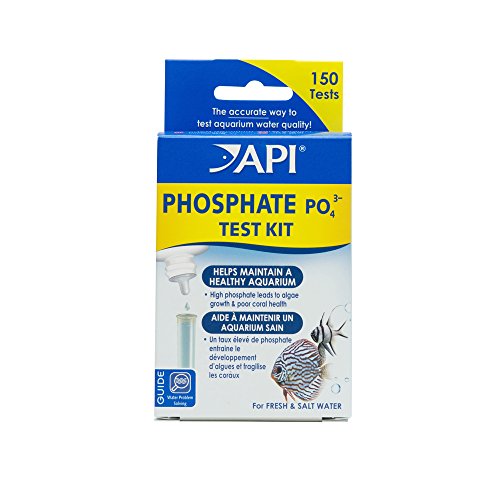
Phosphate management is important in planted tanks to balance algae growth with plant nutrition. The API Phosphate Test Kit measures phosphate levels from 0 to 10 ppm, helping aquarists detect nutrient imbalances that can drive unwanted algae blooms or hinder plant growth. This kit includes two testing solution bottles, two color cards, and one test tube with a cap. Regular phosphate monitoring supports targeted fertilization strategies and helps maintain clear water with robust plant development.
Understanding phosphate dynamics is particularly valuable when using CO2-infusion and micronutrient regimes, as these factors can interact to influence algae and plant performance. For hobbyists who want a focused test for this specific parameter, the phosphate kit is a practical addition to a broader test routine.
AAwipes 8-in-1 Aquarium Test Kit (K02-50)
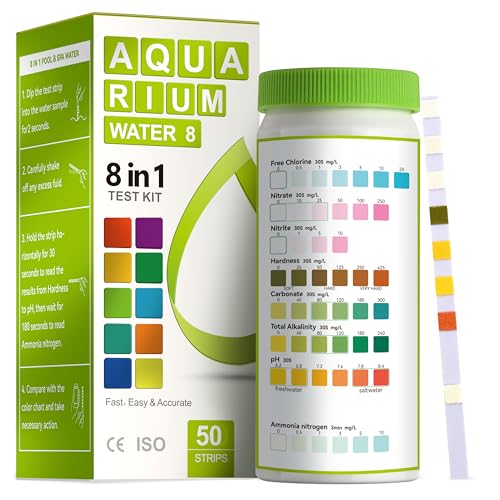
The AAwipes kit offers eight-in-one testing with strips that cover key parameters including pH, ammonia, alkalinity, hardness, chlorine, carbonate, total alkalinity, and ammonia nitrogen, plus iron and copper indicators in some versions. The kit emphasizes fast, color-chart readings for quick decision-making. It is adaptable to both freshwater and pond environments and is especially convenient for hobbyists who want a broad, cost-effective solution for regular monitoring of planted tanks and other aquatic systems.
While strips provide speed, readers should ensure good lighting for color interpretation and consider periodic liquid tests for critical parameters to confirm strip results in high-tech planted setups.
API Saltwater Master Test Kit
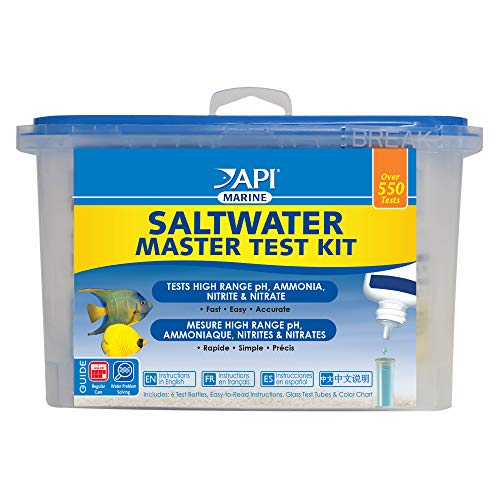
Note: While this kit is labeled for saltwater, its principles and some parameters (such as pH and ammonia) are relevant for understanding water chemistry in versatile setups. For planted freshwater tanks, the core master test kits above typically suffice. The Saltwater Master Test Kit focuses on high-range pH and other indicators specific to marine environments. For freshwater planted aquariums, consider the freshwater-focused options first and use saltwater kits only if you manage mixed or brackish systems.
Buying Guide: Key Purchase Considerations For Planted Aquariums
Choosing the right test kit for a planted tank involves balancing accuracy, scope, ease of use, and maintenance costs. Here are core considerations tailored to planted aquariums:
- Essential parameters: For most planted tanks, monitor pH, ammonia, nitrite, nitrate, GH, KH, and phosphate. Select a kit that covers these basics to maintain plant health and water stability.
- Number of tests and cost per test: Liquid test kits tend to be more precise, but strips can reduce ongoing costs and simplify frequent checks. Consider your preferred cadence (weekly vs biweekly) and budget.
- Stability vs variability: Planted tanks benefit from stable carbonates (KH) and a predictable pH. Regular KH and GH tracking helps manage CO2 dosing and remineralization strategies.
- CO2 correlation: If you run pressurized CO2, pH and KH tracking are critical. Pair a KH test with pH measurements to gauge CO2 impact and adjust dosing accordingly.
- Algae management: Phosphate monitoring is useful to prevent excessive nutrient availability that can fuel algae while supporting plant growth. Include a phosphate test if algae control is a priority.
- Test frequency and workflow: Strips offer speed for routine checks, while liquid tests deliver higher precision for troubleshooting. Create a simple routine: quick strip checks mid-week, liquid tests during weekend maintenance or after a notable change in stocking, lighting, or fertilization.
- Compatibility with tank size and inhabitants: Large planted tanks with higher plant load or higher bioload may require more detailed testing intervals. Choose a kit that scales with your aquarium’s size and complexity.
- Documentation and color interpretation: Ensure color charts are clear and easy to read under typical home lighting. Some brands provide digital guides or apps to assist interpretation.
- Replacement supplies: Check availability of refill bottles, test tubes, and color cards. A kit with readily available refills reduces long-term friction when maintaining regular testing schedules.
In summary, for planted aquariums, a combination approach often works best: a core liquid test kit (for pH, ammonia, nitrite, nitrate, KH, and GH) plus a supplementary phosphate test. Add high-coverage strips if you value speed for routine monitoring, but confirm results with liquid tests when making dosing decisions. Regular testing supports stable plant growth, healthier fish, and a thriving aquascape.