Keeping phosphate levels balanced is essential for a healthy aquarium. The right phosphate test kit helps you monitor levels, prevent algae blooms, and protect fish and corals. The following picks represent reliable options for freshwater and saltwater setups, from simple strips to comprehensive master kits. Each product below includes practical features, quick results, and solid accuracy to suit hobbyists and professionals alike.
| Product | Brand | Format | Key Benefit |
|---|---|---|---|
| API Phosphate Test Kit For Freshwater And Saltwater | API | Liquid kit | 0-10 ppm range, complete testing set |
| AKSBTEC Phosphate Test Kit – 50 Strips | AKSBTEC | Test strips | Versatile for multiple water types |
| SaySummer Phosphate Test Kit | SaySummer | Test strips | Low-range, quick color match |
| Seachem MultiTest Phosphate Test Kit | Seachem | Liquid with plate | Low detection limit, multi-test capability |
| Pawfly 5 in 1 Aquarium Master Test Kit | Pawfly | Comprehensive kit | Includes phosphate among 5 parameters |
Choosing the right phosphate test kit depends on how you test (strips vs. liquid reagents), the size of your tank, whether you maintain freshwater or saltwater systems, and how often you test. The selections below cover a range of preferences—from quick-strip options for routine checks to all-in-one kits for ongoing monitoring and routine maintenance.
API Phosphate Test Kit For Freshwater And Saltwater
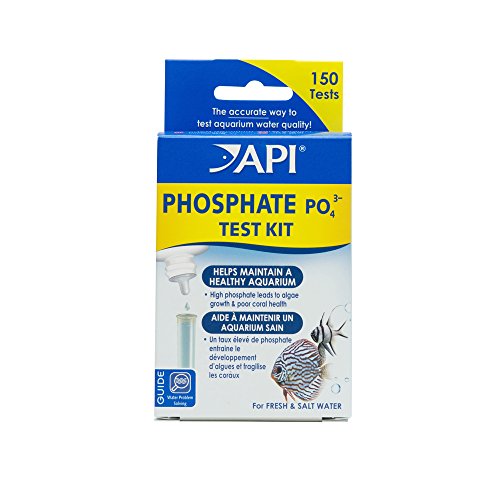
- Brand: API
- Format: 150-test liquid kit with two bottles of testing solution, two color cards, and a test tube with cap
- Measures phosphate levels from 0 to 10 ppm
- Designed to help monitor phosphate and prevent water problems harmful to fish and corals
- Suitable for both freshwater and saltwater aquariums
AKSBTEC Phosphate Test Kit – 50 Count Strips

- Brand: AKSBTEC
- Format: 50-count phosphate test strips
- Multi-use for pools, spas, hot tubs, and aquariums
- Suitable for freshwater and saltwater
- Provides quick results with simple step-by-step instructions
SaySummer Phosphate Test Kit

- Brand: SaySummer
- Format: 50-count phosphate test strips
- Low-range detection suitable for freshwater, saltwater, planted tanks, and fish-only tanks
- Fast testing in about 2 minutes with color-chart comparison
- Emphasizes regular monitoring to prevent algae blooms and ecological imbalance
Seachem MultiTest Phosphate Test Kit

- Brand: Seachem
- Format: MultiTest plate for up to 6 tests simultaneously
- Measures inorganic phosphate to less than 0.05 mg/L
- Includes reference for test validation
- Ideal for precise, concurrent testing of multiple parameters
Pawfly 5 in 1 Aquarium Master Test Kit

- Brand: Pawfly
- Format: 5-in-1 master kit testing pH, nitrite, nitrate, ammonia, and phosphate
- Designed for freshwater and saltwater tanks
- Uses precise color-matching charts for quick results
- Enhanced accuracy with professional-grade liquid reagents
API REEF MASTER TEST KIT
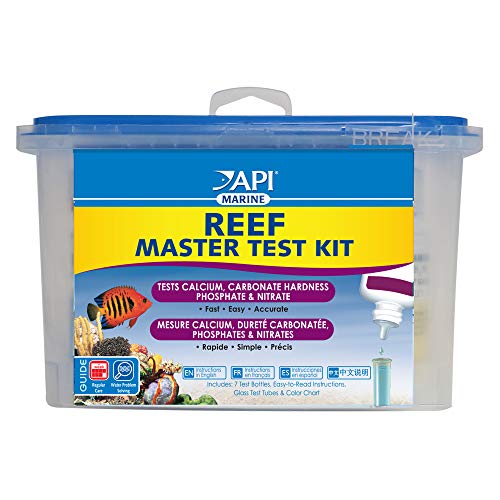
- Brand: API
- Format: Reef Master kit with 7 testing solutions, color cards, test tubes
- Monitors calcium, carbonate hardness, phosphate, and nitrate
- Supports reef aquariums with attention to essential water parameters
- Helps prevent invisible water problems that can harm reef inhabitants
Buying Guide: Key Purchase Considerations
When selecting a phosphate test kit, consider accuracy, range, and ease of use. Liquid test kits tend to be precise and reusable, but require more steps. Strips offer speed and simplicity, suitable for routine checks but may be less sensitive at very low levels. For planted or reef tanks, kits with low detection limits for phosphate are advantageous to catch subtle shifts before algae blooms occur.
- Test method: Choose liquid reagent kits for lower detection limits; strips for quick, frequent checks.
- Phosphate range: Ensure the kit covers your target range (often 0–10 ppm for general aquariums; low-range options are preferable for sensitive tanks).
- Tank type: Freshwater, saltwater, planted, and reef setups may require different sensitivity and calibration steps.
- Number of tests: Consider how many tests you expect to run per month; larger kits offer more value for ongoing monitoring.
- Calibration and references: Look for kits with color charts, reference values, and clear instructions to minimize interpretation errors.
- Storage and stability: Check reagent shelf life and storage requirements to avoid degraded results.
For reef and planted tanks, frequent monitoring is often recommended, as phosphate balance can influence corals and plant growth as well as algae dynamics. In mixed systems, using a combination of a master kit for periodic comprehensive testing and quick strips for weekly checks can optimize maintenance routines while controlling costs.