Answering the need for reliable phosphate control in marine and reef systems, the following selections are among the most effective phosphate removers available. This guide targets hobbyists seeking clearer water, reduced nuisance algae, and stable reef health. Best for heavily stocked tanks are Brightwell Phosphat-E variants, while Seachem PhosBond and Aqua Algae Phos-Resolve offer strong alternatives for both reef and large marine setups. The table below highlights each product’s primary use to help you compare at a glance.
| Product | Best For | Notes |
|---|---|---|
| Brightwell Aquatics Phosphat-E Liquid Phosphate Remover (4.2 fl oz) | Reef and marine fish-only aquariums with elevated phosphates | Quick, precise elimination; may cause temporary cloudiness |
| Fluval ClearMax Phosphate Remover (3-pack, 100 g each) | All-in-one filter media for multiple canister systems | Absorbs phosphate, nitrite, nitrate; improves water clarity |
| Brightwell Aquatics Phosphāt-E Phosphate Remover (250 ml) | Reef tanks needing ongoing phosphate reduction | Same mechanism as liquid Phosphat-E; compact format |
| Seachem PhosBond Phosphate Silicate Remover (250 ml) | Marine and freshwater systems needing rapid phosphate/silicate removal | Dual-action media; effective for mixed tank setups |
| Aqua Algae Phos-Resolve Phosphate Remover (8 oz) | Large marine systems; high phosphate challenges | 15% lanthanum chloride formulation; requires careful dosing |
Brightwell Aquatics Phosphat-E Liquid Phosphate Remover
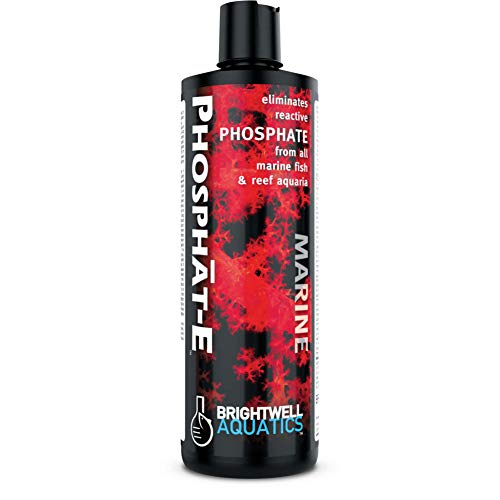
Phosphat-E liquid targets elevated phosphate levels to support reef and marine-fish-only aquariums. Best for tanks with heavy bioloads where rapid phosphate control is needed. It acts immediately on reactive phosphate and can be used as part of ongoing phosphate reduction. After treatment, test results may show false positives and the water may appear slightly cloudy temporarily, which is normal and should clear with continued use.
Who it’s best for: Reef tanks or mixed marine systems with persistent phosphate challenges. This product is chosen for its fast action and compatibility with common reef inhabitants.
Limitations to note: Initial cloudiness can occur; ensure proper filtration and testing aligns with kit instructions.
Fluval ClearMax Phosphate Remover (3-Pack)
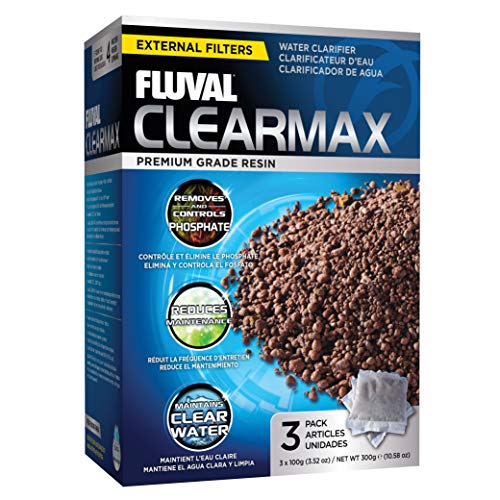
ClearMax is a premium resin filter media designed to absorb phosphate, nitrite, and nitrate. It’s compatible with Fluval canister systems and helps keep water crystal clear by supporting both chemical and mechanical filtration in a single media pack. It’s a strong choice for hobbyists using Fluval setups who want a simple, effective way to manage multiple nutrients.
Who it’s best for: Fluval canister owners seeking a consolidated media that improves clarity and reduces odors. Best for users who prefer ready-to-use media packs.
Limitations to note: Primarily designed for Fluval systems; ensure correct fit and flow in your particular model.
Brightwell Aquatics Phosphāt-E Phosphate Remover (250 ml)

This 250 ml Phosphāt-E variant offers the same enhanced phosphate elimination as its liquid counterpart, packaged in a compact bottle for reef-focused setups. Best for ongoing phosphate reduction in reef aquariums. The product can cause temporary cloudiness as part of the initial treatment, which typically passes with continued use.
Who it’s best for: Reef tanks needing consistent phosphate control without frequent dosing of liquids. Choose this for stable reef maintenance and controlled dosing in compact spaces.
Limitations to note: Cloudiness can occur initially; monitor with your standard phosphate testing kit.
Seachem PhosBond Phosphate Silicate Remover

PhosBond rapidly removes phosphate and silicate in both marine and freshwater tanks. It’s well-suited for mixed tanks that require a quick nutrient reduction. This media is effective in reducing dissolved phosphates, supporting clearer water and healthier coral and fish life when used as directed.
Who it’s best for: Mixed freshwater/marine setups or reef tanks needing dual-action phosphate and silicate control. It’s a flexible choice for multi-environment aquariums.
Limitations to note: As with any phosphate remover, follow dosing guidance to avoid over-removal, which can impact beneficial algae and nutrient balance.
Aqua Doc Saltwater Pool Phosphate Remover

AquaDoc’s 32 oz phosphate remover is designed for saltwater pools but can be repurposed for large marine systems where high phosphate levels are a challenge. It helps bind phosphates so your filter can capture them, aiding in clearer water and easier maintenance. Use as directed for ongoing pool and tank care.
Who it’s best for: Large saltwater systems or pool conversions adjacent to marine habitats where phosphate buildup is a persistent concern. Choose this if you have substantial water volume and need scalable dosing.
Limitations to note: Intended for pool use; verify compatibility with any live livestock in an adjacent or mixed system before application in a dedicated aquarium setting.
Buying Guide: Phosphate Removal Choices For Saltwater Tanks
What should you consider before choosing a phosphate remover?
- Tank type and size: Reef tanks often need faster, more precise phosphate control. Large systems may require higher-capacity media.
- Filtration method: If your setup uses canister filters, media like ClearMax or PhosBond may integrate smoothly. For sumps, liquid removers paired with test schedules can work well.
- Byproduct and cloudiness: Some products may cause temporary cloudiness. Plan for a short window of suspended particulates after dosing.
- Testing cadence: Regular phosphate testing helps tailor dosing frequency and avoid over-removal, which can impact biology.
- Accessibility and compatibility: Match media type with your filtration equipment to ensure compatibility and ease of maintenance.
Practical dosing and maintenance tips
- Introduce removers gradually and monitor phosphate levels with a trusted test kit.
- Keep a log of dosing times, concentrations, and water parameters to identify trends.
- Account for potential secondary effects like changes in alkalinity or cloudiness; use water clarifiers if needed.
- Avoid sudden, large phosphate removals in very new or unstable systems.
FAQ
- What is the fastest way to lower phosphate in a reef tank? A: Using a fast-acting remover like liquid Phosphat-E or a high-capacity media such as PhosBond can quickly reduce dissolved phosphate, followed by ongoing maintenance dosing and regular testing.
- Can I use phosphate removers with corals and other invertebrates? A: Yes, most are formulated to be reef-safe when used as directed, but always follow product-specific instructions and monitor water parameters.
- Will phosphate removers affect nitrates or other nutrients? A: Some media can affect multiple nutrients. Check the product’s description and test for nitrates and silicates as part of routine maintenance.
- How long does it take for water clarity to improve after dosing? A: Clarity improvements can be seen within hours to days, depending on the product and initial water quality; cloudiness may occur temporarily after dosing.
- Should I remove carbon while dosing phosphate remover media? A: It depends on your filtration plan. Coordinate media use so the phosphate remover has contact with water without being immediately removed by carbon or other media.
- Is a 32 oz remover suitable for a large system? A: Larger volumes may require higher-capacity media and more frequent dosing. Refer to product guidelines and test results to calibrate dosing.